 Final Proximity
12Lunar missions, 2000 to today
Landing is still hard:
the Moon, 2000 to now.
More organisations have tried to land on the Moon in the last five years than in the previous forty. Slightly under half of them managed it.
T minus 00:10:00 THE NUMBER
How many lunar landings since 2000 have failed?
That is 40 per cent fully successful, or 53 per cent if the two that reached the surface and worked partially are counted as successes. Either way, roughly half of everything attempted since 2000 did not do what it set out to do.
This is worth stating carefully, because a success rate means nothing without the counting rule. The list below is every attempted soft landing on the Moon since 2000. Deliberate impacts are excluded, since LCROSS, SMART-1 and the Chandrayaan-1 impact probe were all meant to hit the surface. Orbiters are excluded. Peregrine is included because it launched intending to land, even though it never got close.
The Apollo era solved landing on the Moon with a person at the controls and a national budget behind them. Doing it autonomously, precisely, and for a price a company can raise is a different problem, and it is not yet solved.
T minus 00:08:00 ORBIT FIRST
Going back, in orbit, 2003 to 2013
The return to the Moon began with orbiters, which are far easier and which built the maps and the case for landing again.
Sep 2003
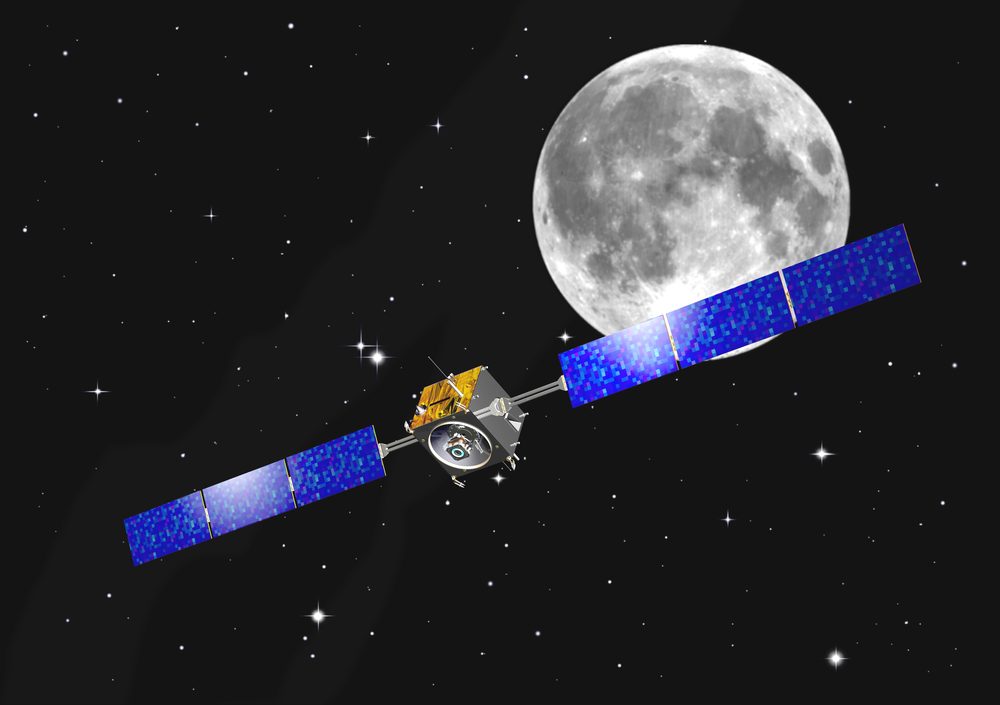
first ion propulsion to the MoonSMART-1success
Europe’s first lunar mission, and the first to reach the Moon on ion propulsion. It took fourteen months to spiral out, which is slow, and used a fraction of the propellant a chemical transfer would have needed.
Millinewtons of thrust for months replace kilonewtons for minutes, and the trajectory becomes a slow spiral rather than a transfer orbit. Electric propulsion is what lets small budgets reach deep targets.
Sep 2007
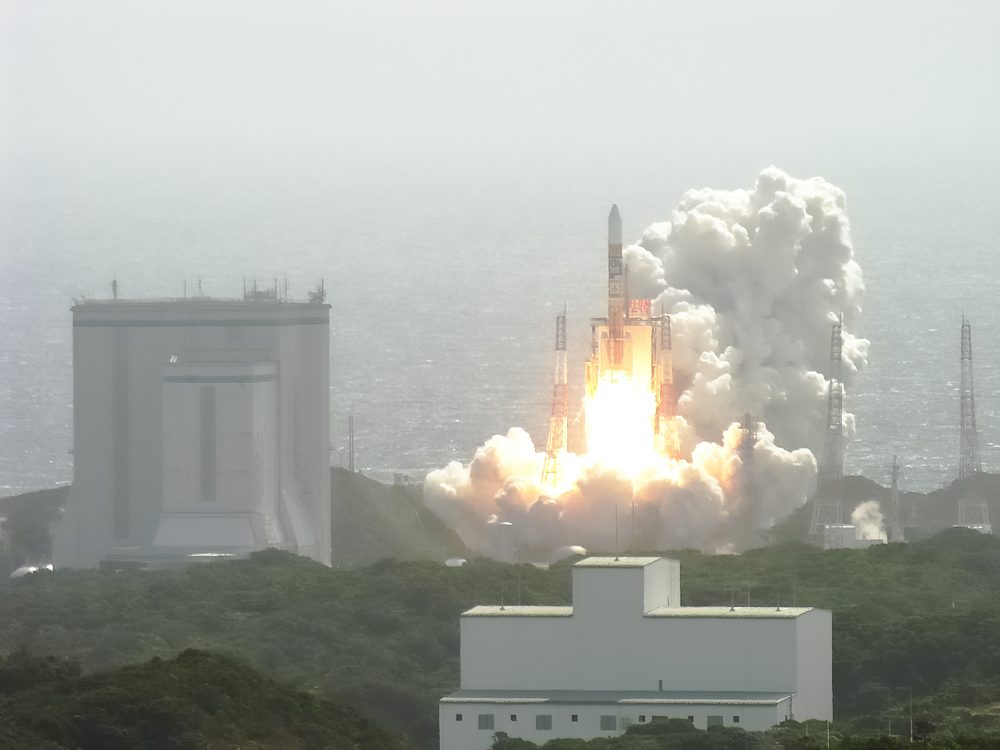
the far side mapped in HDKaguya (SELENE)success
Japan’s large lunar orbiter, which produced the first global high-definition imaging and a detailed topographic map of the far side.
Its laser altimetry and stereo imaging built global terrain models that landing site analysis still draws on. Measuring the far side gravity field needed a relay sub-satellite, because a spacecraft cannot be tracked from Earth while behind the Moon.
Oct 2007
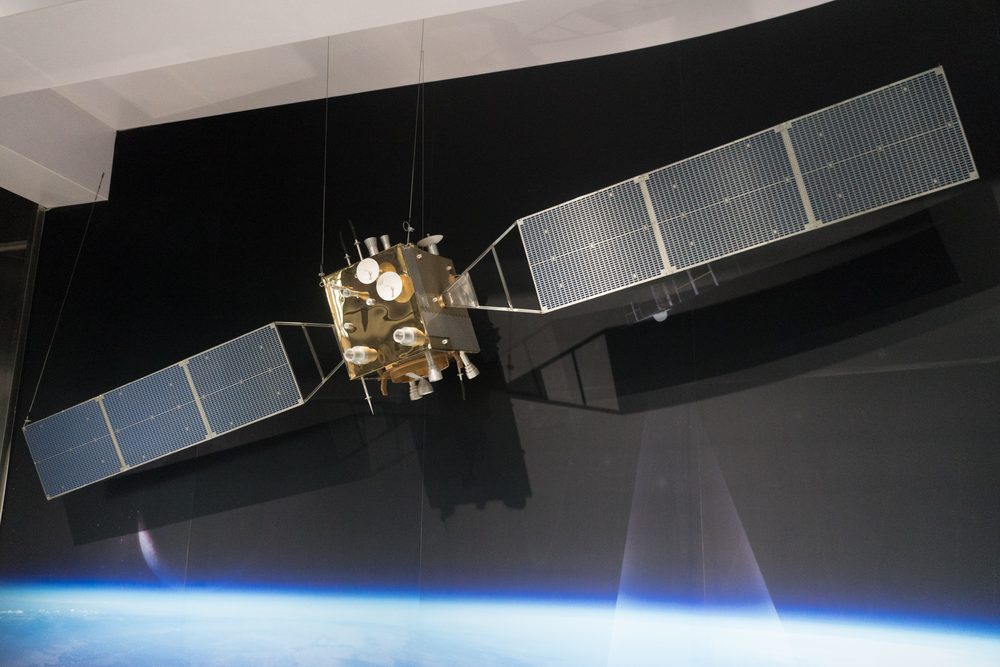
China’s first lunar missionChang’e 1success
China’s first lunar mission, an orbiter that mapped the surface and ended with a controlled impact.
Ending an orbiter with a controlled impact is a navigation exercise disguised as disposal, since hitting a chosen point proves the orbit determination end to end. The programme has built capability in deliberate increments from here.
Oct 2008
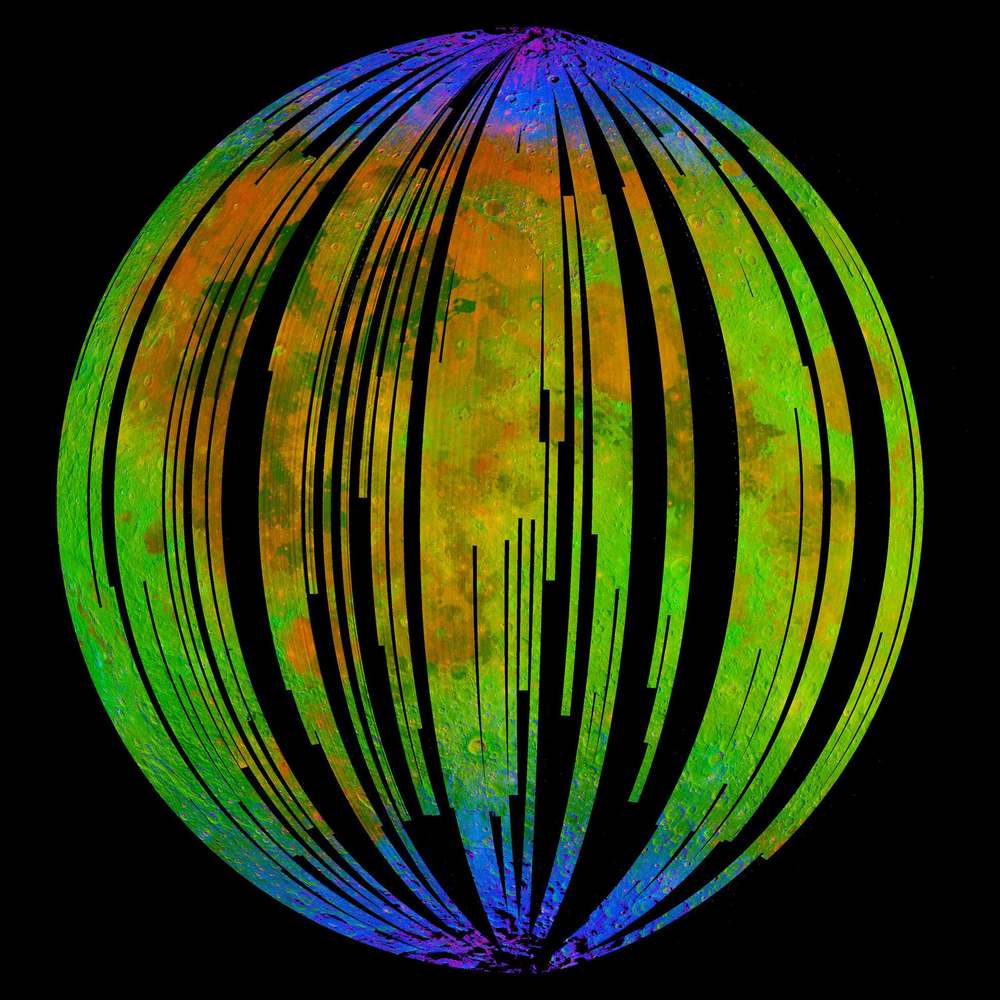
water found in the surfaceChandrayaan-1success
India’s first. Its instruments, including a NASA imaging spectrometer, found water molecules bound in the surface material across much of the Moon, which changed the case for going back.
The detection was spectroscopic, an absorption signature near three microns seen from orbit, requiring no contact with the surface at all. An orbiter changed the economics of every lunar mission after it.
Jun 2009
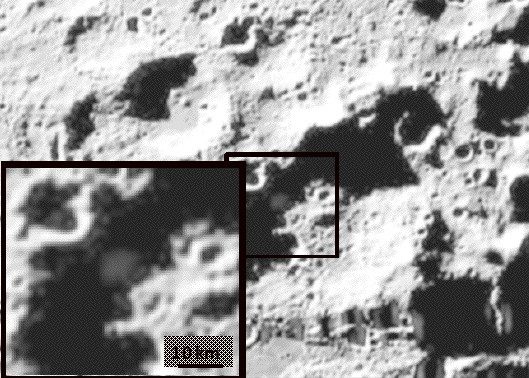
still operatingLunar Reconnaissance Orbiter and LCROSSsuccess
LRO is still operating and has mapped the surface at a resolution that makes landing site selection a different exercise from the Apollo era. LCROSS deliberately struck a permanently shadowed crater and detected water in the plume.
LCROSS turned the spent upper stage into the impactor and flew through the plume it raised, instrumenting a collision instead of paying for a lander. LRO’s imagery is the infrastructure on which modern landings are targeted.
Sep 2011
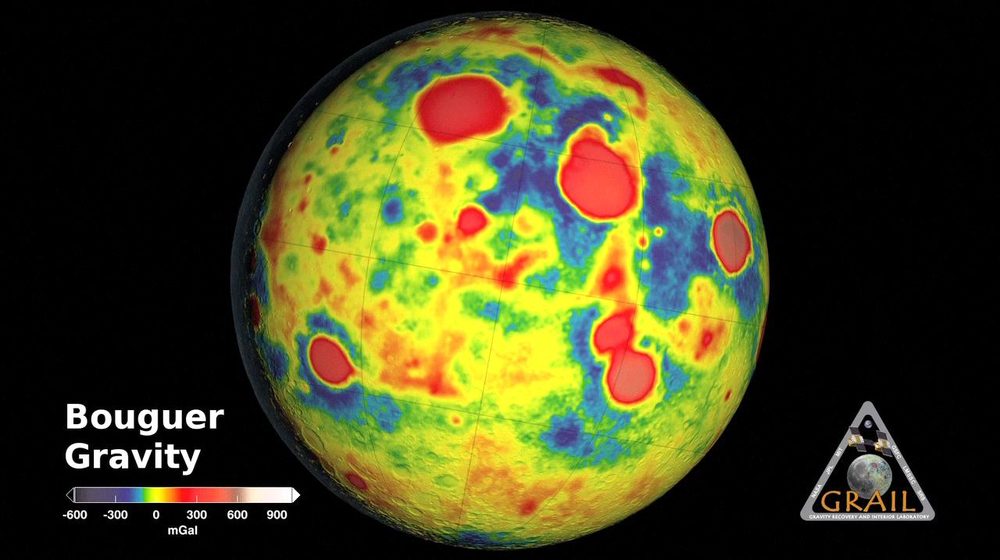
the gravity mapGRAILsuccess
Twin spacecraft flying in formation and measuring the distance between themselves to millimetre precision, producing the most detailed gravity map of any body including Earth. That map is what makes accurate lunar navigation possible.
Ranging continuously between two spacecraft turns the pair into a single gravity instrument, because the field shows up as changes in their separation. The same technique tracks Earth’s moving water as GRACE.
T minus 00:05:30 LANDING ATTEMPTS
Every soft landing attempt since 2000
Fifteen attempts. The outcome is marked against each: landed and worked, landed but impaired, or failed to land.
Dec 2013
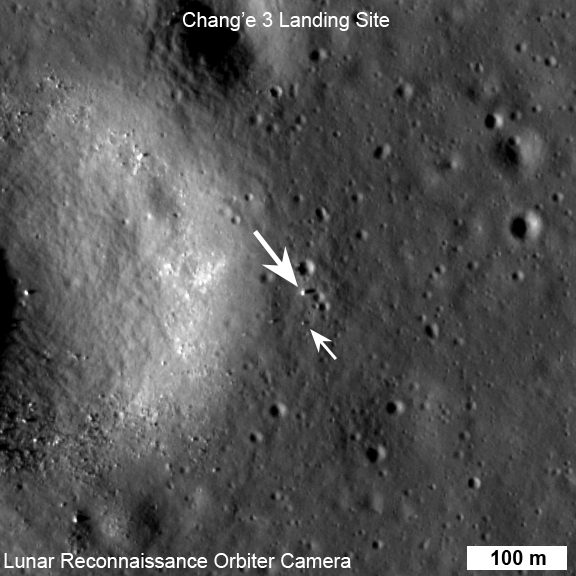
first landing since 1976Chang’e 3success
China landed Yutu on Mare Imbrium, the first soft landing by anyone since Luna 24 in 1976. The rover suffered a mobility failure after one lunar day but the landing itself was clean.
The descent included an autonomous hover, image and translate phase, with the lander choosing its own final spot. The hazard avoidance Apollo left to a pilot’s eyes was flown by software, at the first attempt of the modern era.
Jan 2019
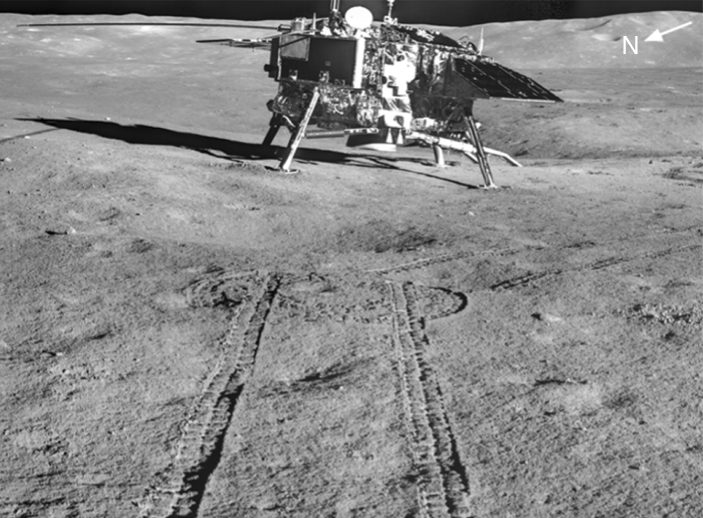
first far side landingChang’e 4success
The first landing on the far side, which requires a relay satellite because there is no line of sight to Earth. It landed in Von Kármán crater with terrain-relative navigation and hazard avoidance.
Landing where Earth is never visible makes the relay part of the landing system rather than an accessory. Queqiao, in a halo orbit about the far Lagrange point, sees Earth and the landing site simultaneously and continuously.
Apr 2019
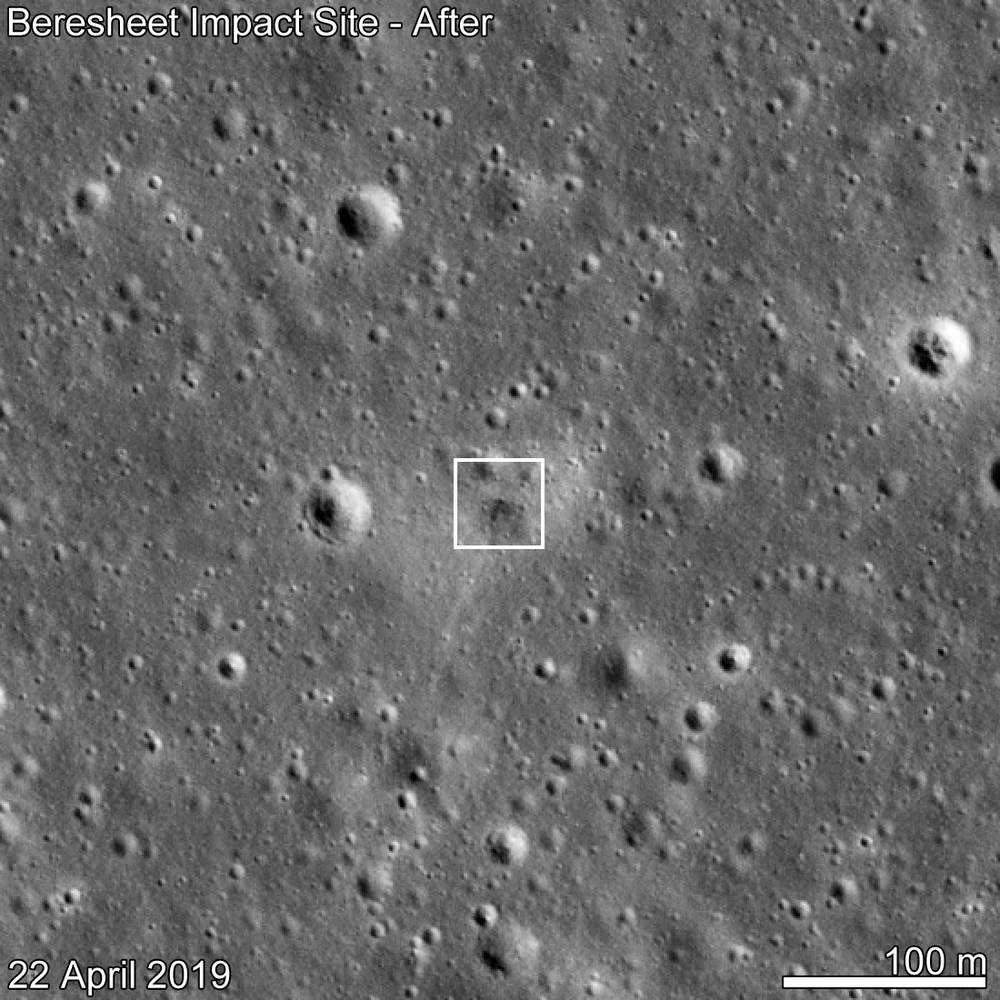
first private attemptBeresheetfailed
Israel’s privately funded lander lost its inertial measurement unit during descent. A command sequence intended to recover it instead shut down the main engine, and it struck the surface at speed.
The fatal step was not the sensor failure but the recovery attempt, a command interaction never tested against that failure state. Fault handling needs the same verification rigour as nominal descent, because it only ever runs when things are already going wrong.
Sep 2019
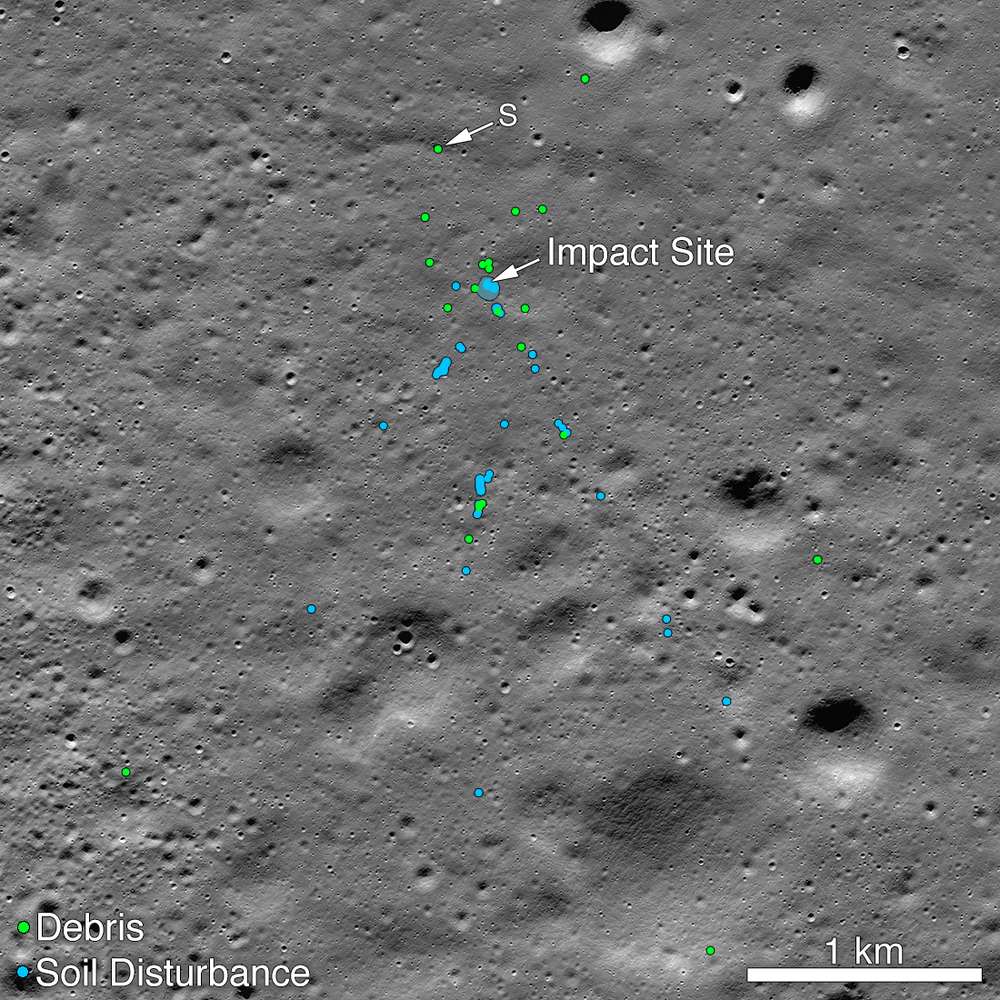
crashed in the braking phaseChandrayaan-2 Vikramfailed
India’s lander deviated during the braking phase and crashed. The orbiter it arrived with is still working and mapped the impact site.
Small thrust deviations accumulated during braking until the trajectory left the set of states the guidance could correct from. A descent’s real margin is that recoverable set, not the accuracy of the nominal path.
Dec 2020
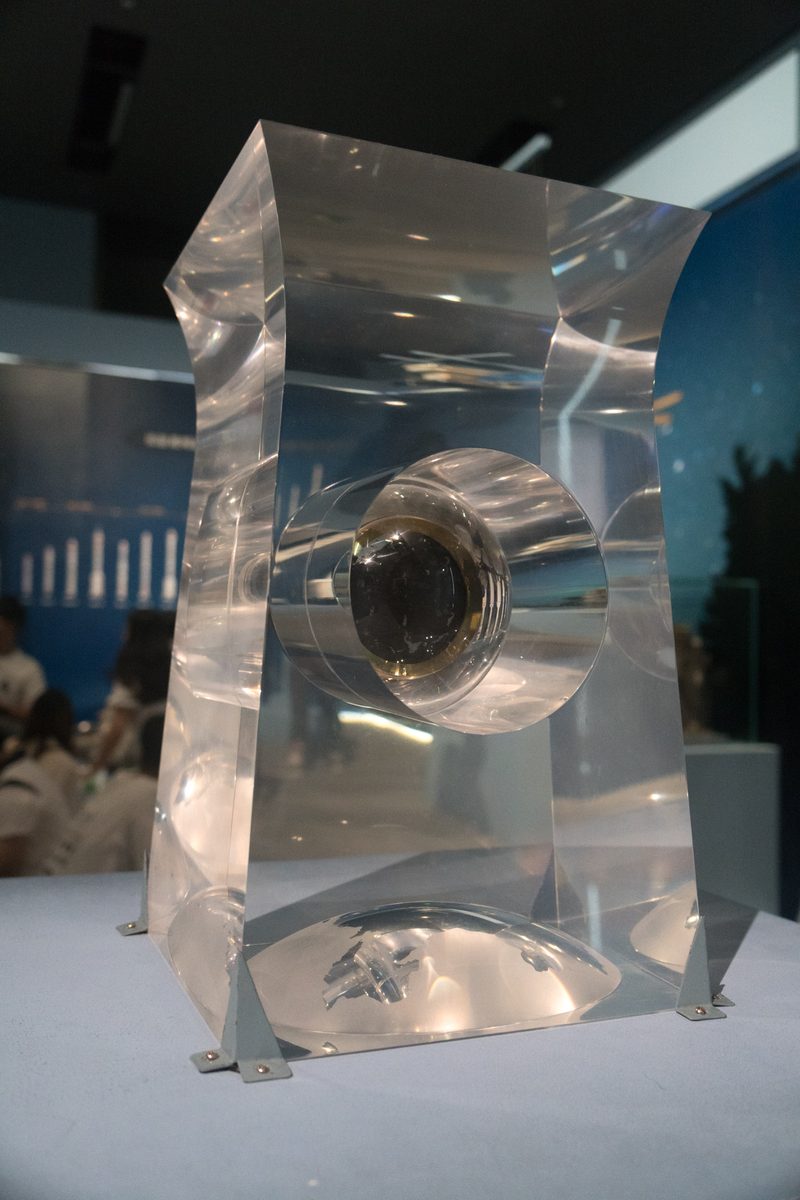
first sample return since 1976Chang’e 5success
Landed, drilled, launched an ascent stage, performed the first robotic lunar orbit rendezvous and docking, and returned 1.7 kg to Earth. The most complex robotic lunar mission attempted.
The ascent stage had no crew and no ground loop fast enough, so the lunar orbit rendezvous and capture ran autonomously. It is the architecture Apollo flew, with software where the pilots sat.
Apr 2023
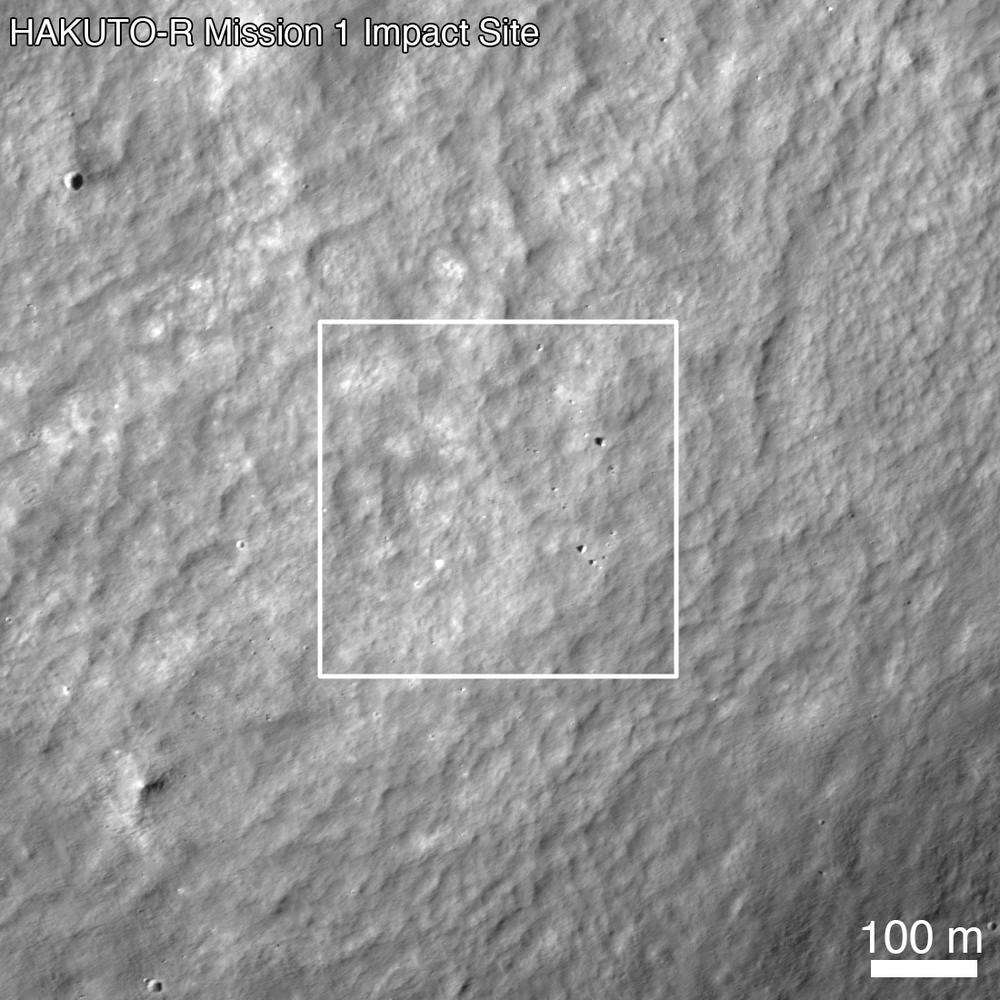
the crater rim software trapHakuto-R Mission 1failed
The altitude estimate diverged as the lander crossed a crater rim: the software rejected the sudden change in measured altitude as an error. It ran out of propellant while hovering at about 5 km and fell. A software assumption, not a hardware failure.
The altitude jump at the crater rim was real, but the filter’s outlier rejection had been tuned for a different descent profile than the one flown after a late landing site change. Sensor validation logic is flight software, and it needs testing against the terrain actually overflown.
Aug 2023
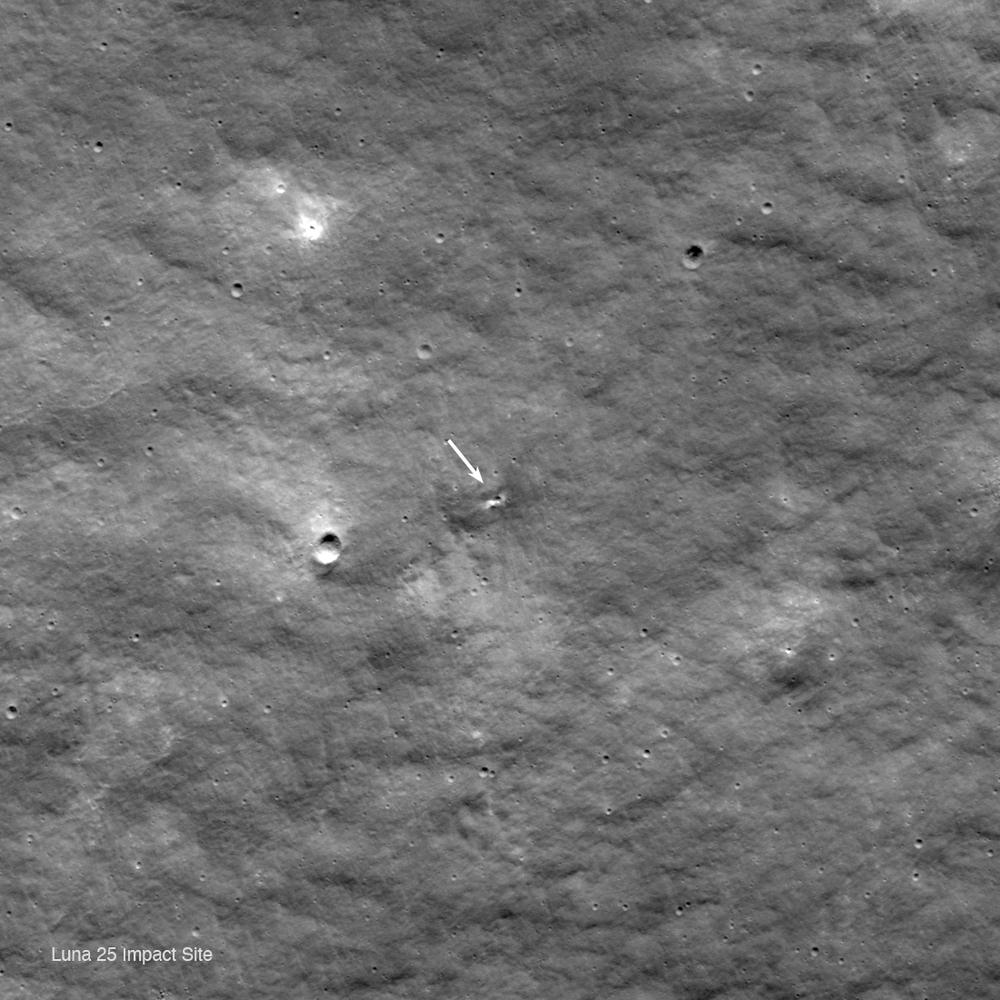
Russia’s return, 47 years onLuna 25failed
Russia’s first lunar mission since 1976 fired an orbit-lowering burn that ran long and put it into the surface. The first Russian lunar landing attempt in forty-seven years.
The braking burn overran because the unit that should have sensed the achieved velocity change never triggered the cutoff. An engine that does not know when to stop is a sensor failure expressed as a propulsion accident.
Aug 2023
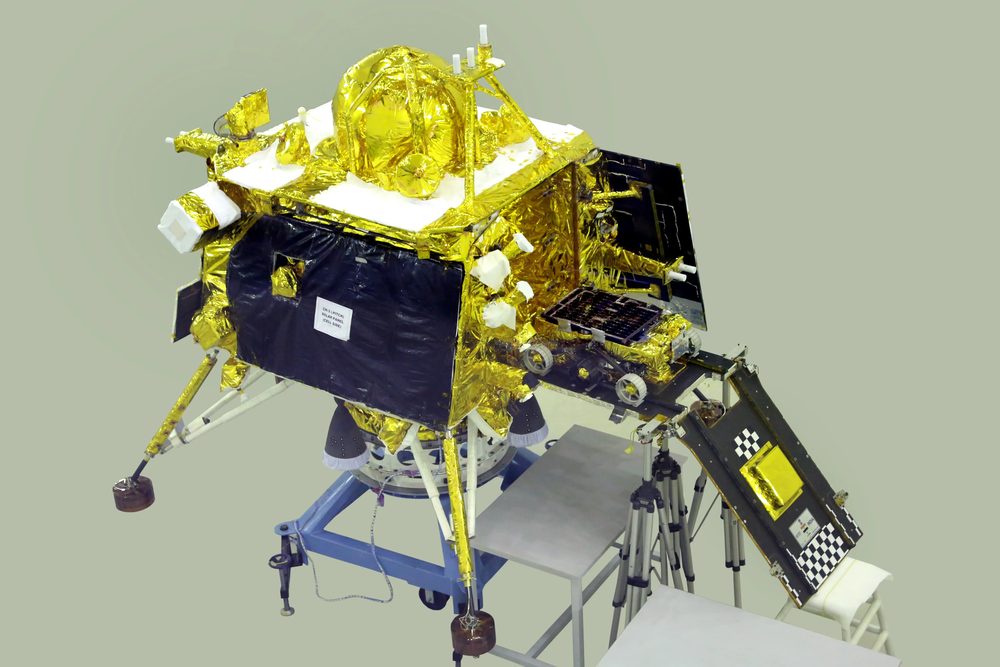
success built on a failureChandrayaan-3success
India succeeded four years after Chandrayaan-2, with a lander rebuilt around the earlier failure: more propellant, wider landing site, stronger legs, and guidance able to reach a safe state from a much larger set of conditions.
The stated redesign philosophy was to stop proving the lander would fly the right path and instead make more of the possible paths survivable. Expanding the recoverable envelope, rather than sharpening the nominal, is what changed the outcome.
Jan 2024
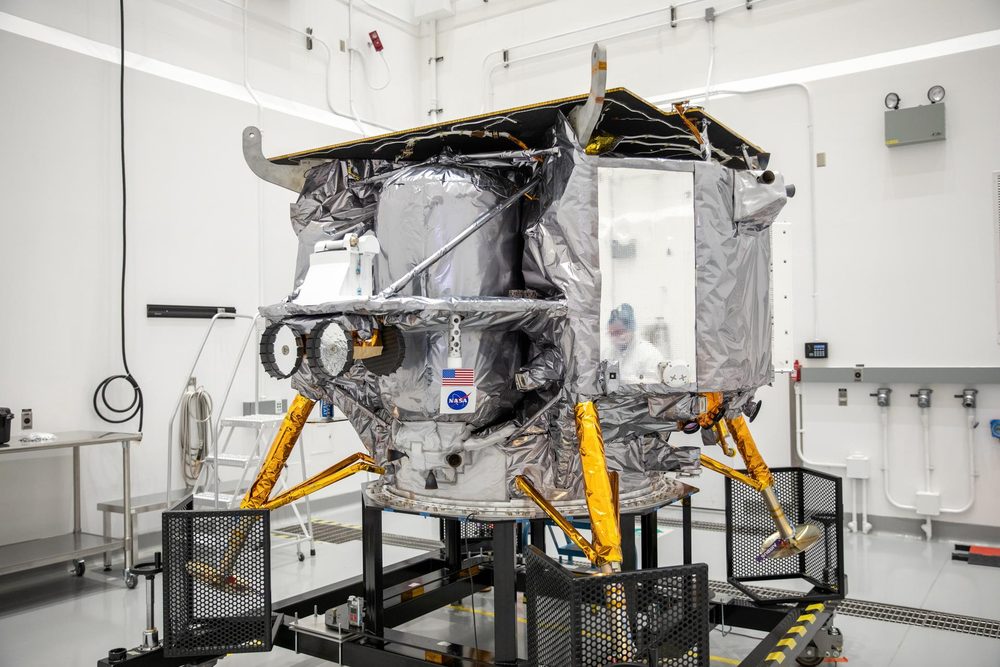
never reached the MoonPeregrinefailed
A propellant leak shortly after launch made the landing impossible. It never reached the Moon and was disposed of in the atmosphere.
The review traced the leak to a pressurisation valve that failed to reseal, rupturing the oxidiser tank hours into flight. Propulsion offers little graceful degradation; one mechanical component ended the mission before the Moon was in play.
Jan 2024
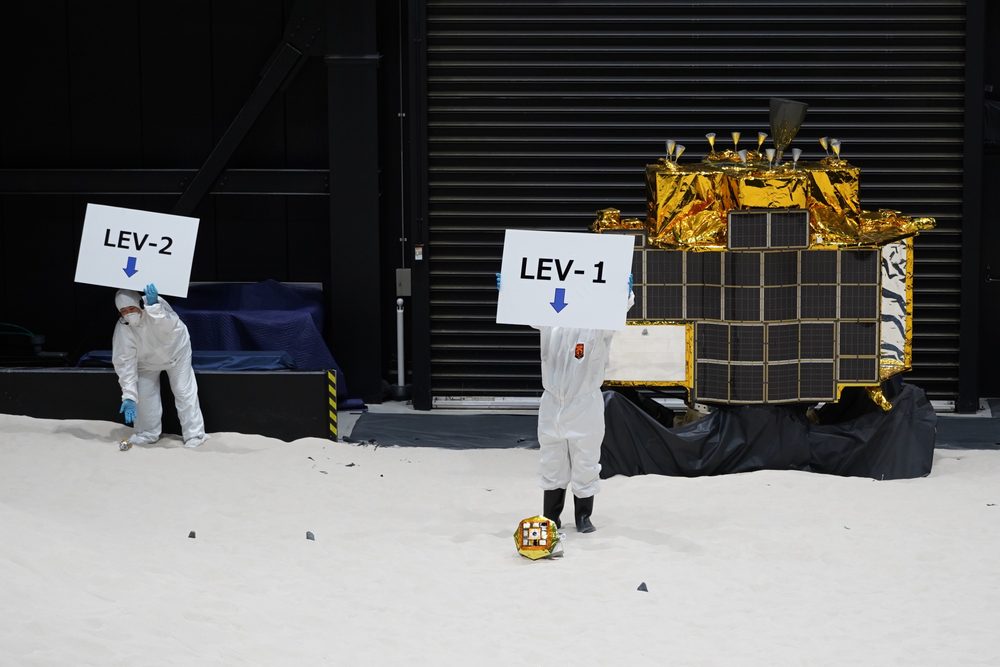
landed within 55 metresSLIMpartial
JAXA landed within about 55 metres of its target, an order of magnitude better than any previous lander, which was the mission’s entire objective. An engine nozzle failed late in descent and it came to rest tipped over, nose down, and JAXA counts it a success because the precision landing capability was proven.
The precision came from vision-based crater matching against onboard maps, closing the loop on position rather than altitude alone. Ranking objectives before flight is why the result survived a nozzle failure and a tip-over.
Feb 2024
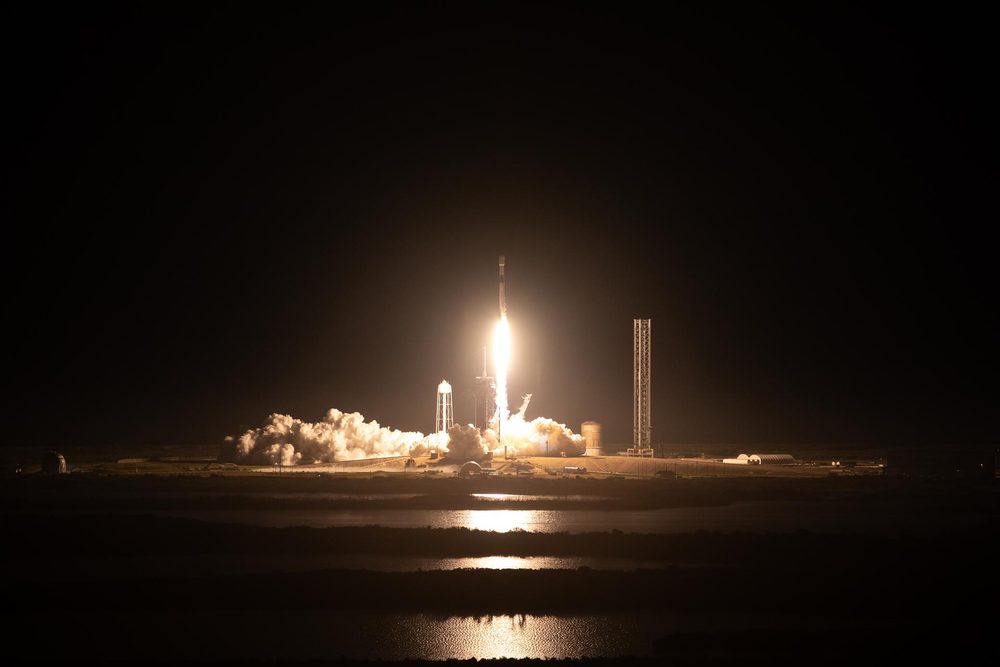
first commercial landingIM-1 Odysseuspartial
The first US soft landing since 1972 and the first ever by a commercial vehicle. Its laser rangefinders had been left with a safety switch engaged and were unusable, so it landed on a backup navigation solution, came down faster and sideways, caught a foot and tipped over. It worked, partially.
One unarmed safety switch removed both rangefinders, and the save was repurposing a NASA lidar payload into the navigation loop within hours. Pre-flight checklists and adaptable flight software were both tested that day.
Jun 2024
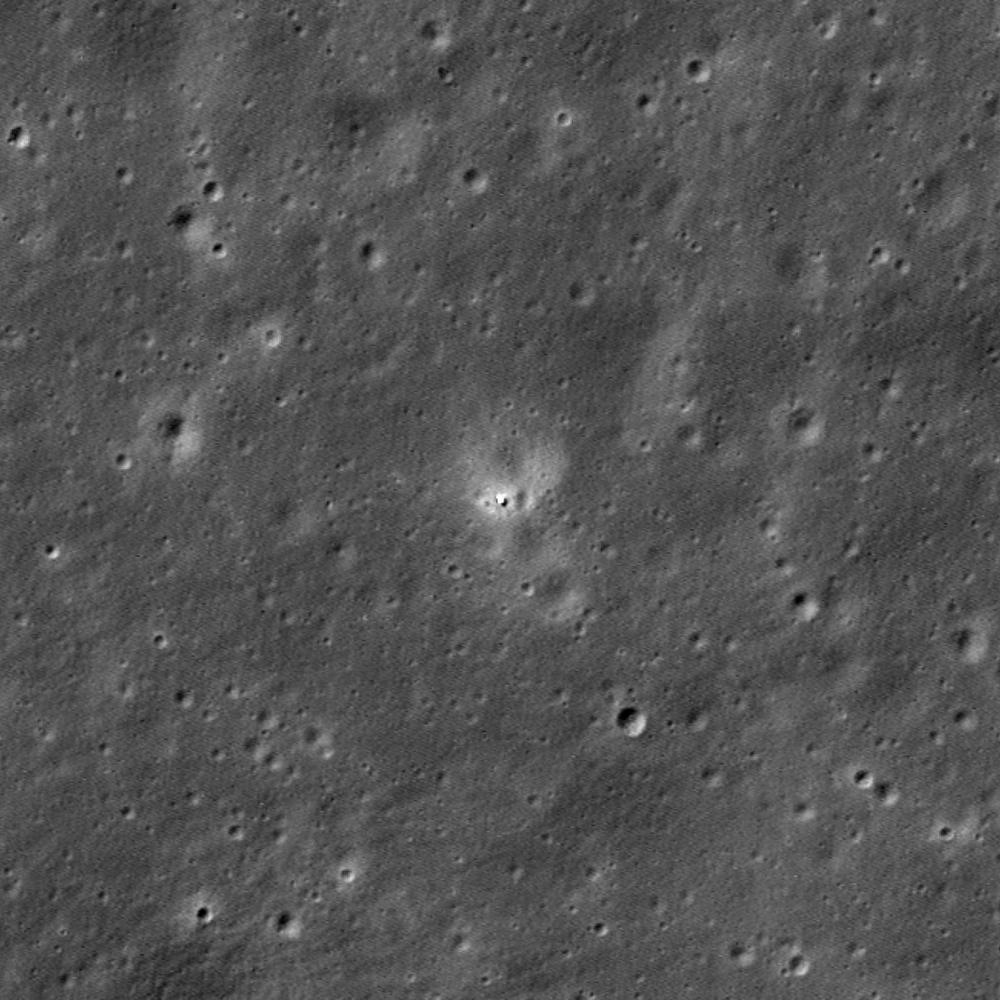
first far side sample returnChang’e 6success
The first sample return from the far side. Landed, collected, launched, rendezvoused in lunar orbit and returned 1.9 kg.
Far side sample return stacked the two hardest demonstrated capabilities, relay-dependent landing and autonomous orbital rendezvous, in one flight. Each piece had flown before; the new part was only the combination.
Mar 2025
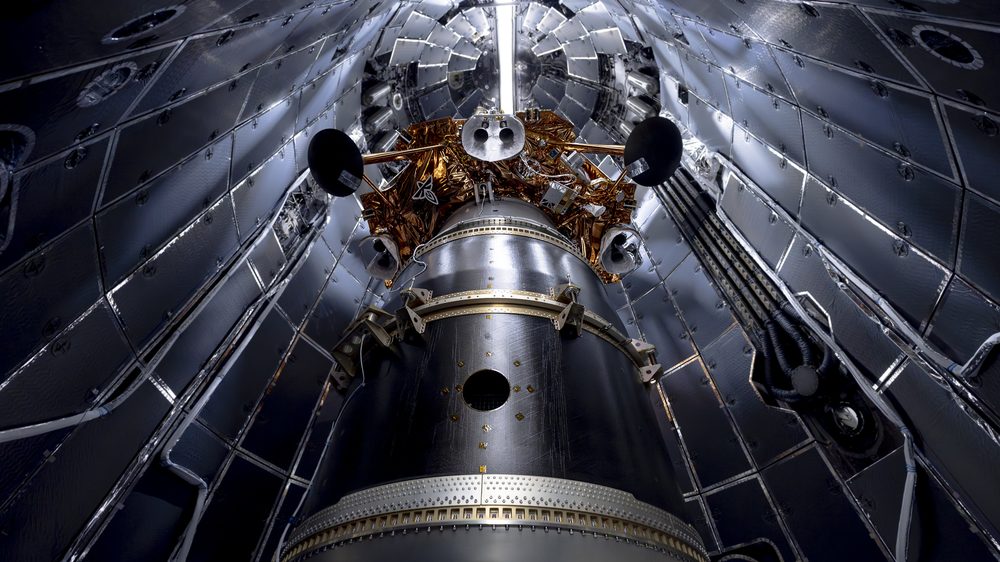
landed upright, ran everythingBlue Ghost Mission 1success
Landed upright and fully operational in Mare Crisium, and ran its full payload complement through a lunar day.
The descent flew terrain-relative navigation with autonomous hazard avoidance, the toolkit a decade of failures had argued for. A clean first attempt suggests the approach, and not just the operator, has matured.
Mar 2025
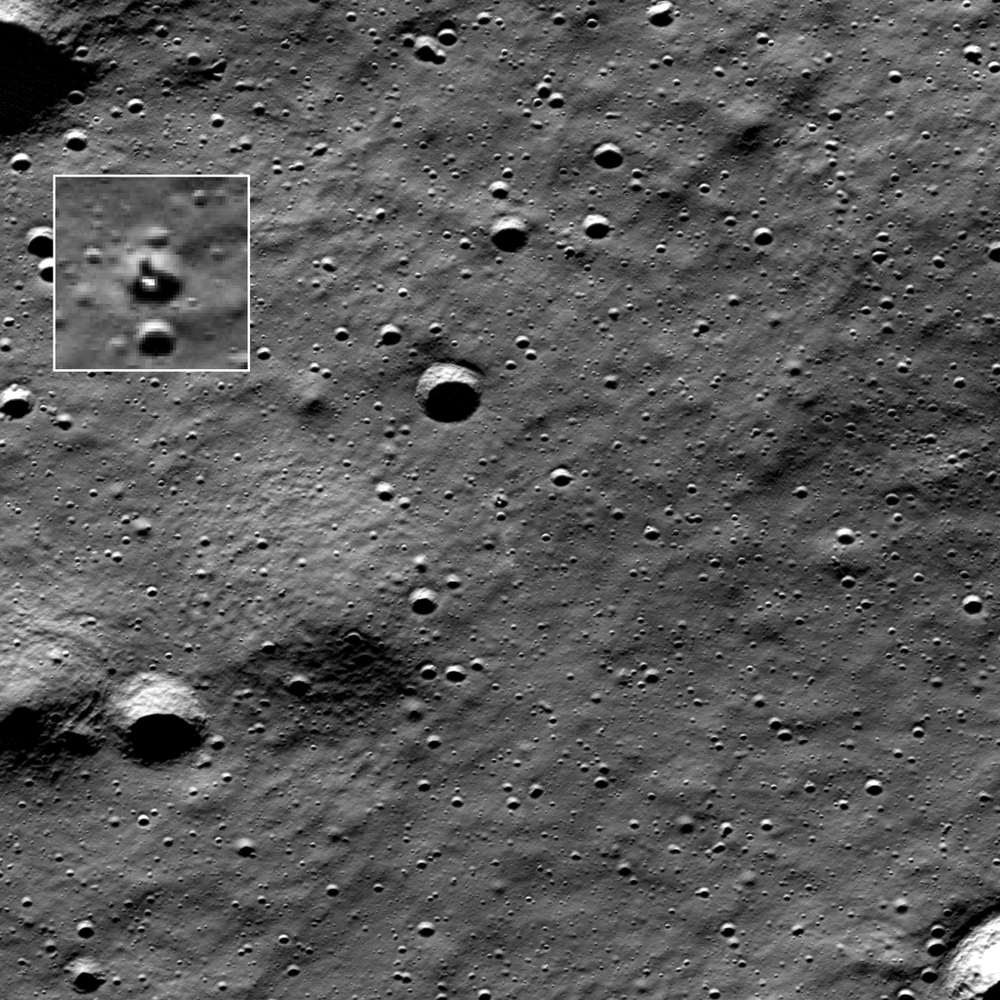
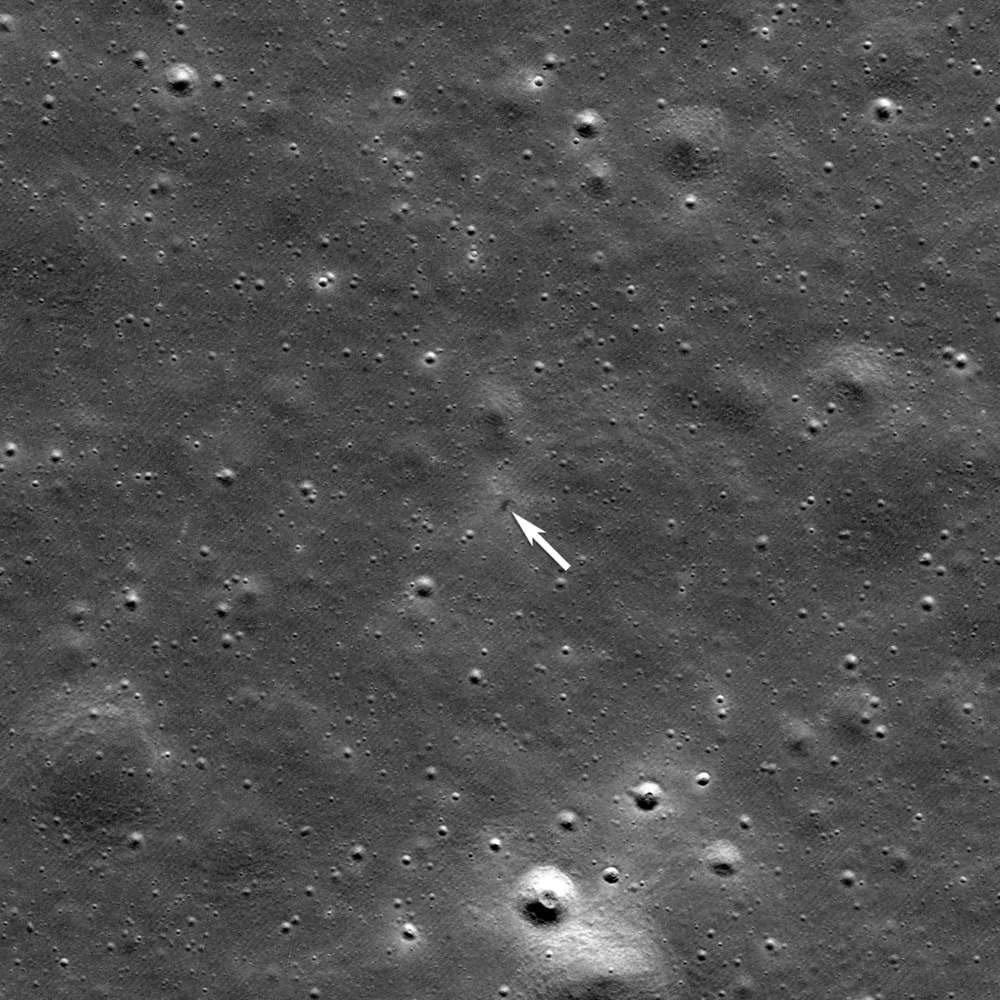
down in shadow, on its sideIM-2 Athenafailed
Landed inside a crater near the south pole, on its side, in shadow. Its altimeter performed poorly in the low-angle polar lighting. It could not generate power and completed none of its planned science.
Polar lighting is an environment problem wearing a sensor problem’s clothes: grazing illumination produces shadow and contrast that altimetry and vision systems tuned on equatorial scenes mishandle. The south pole is operationally a different Moon.
Jun 2025
second failure, different subsystemHakuto-R Mission 2 Resiliencefailed
The laser rangefinder did not return valid measurements in time to slow the descent, and the lander struck the surface. The second failure for the same operator, in a different subsystem.
Two failures in different subsystems with the same signature, wrong altitude knowledge in the final minutes, point at process rather than parts. What descent sensors can report must be validated against the full range of terrain, lighting and dynamics before flight.
T minus 00:02:00 WHY
What actually goes wrong in a lunar landing?
Read the failures together and they are not a scattering of bad luck. Almost every one is a navigation or guidance problem in the last few minutes, and several are specifically a sensor behaving differently from how the software expected.
The recurring causes
- Altimetry that fails at the worst moment. Hakuto-R M1 rejected a genuine altitude change as an error while crossing a crater rim. Hakuto-R M2 did not get valid ranges in time. IM-2’s altimeter struggled in low-angle polar light.
- A sensor unavailable in flight. IM-1 flew its landing on a backup solution because its rangefinders had been left disabled.
- Recovery logic that makes things worse. Beresheet’s command sequence, intended to restore a failed IMU, shut down the main engine instead.
- Guidance that cannot absorb a deviation. Chandrayaan-2 drifted during braking and had no way back to a feasible trajectory.
What the successes had in common
- Margin designed in. Chandrayaan-3 was rebuilt around its predecessor’s failure with more propellant, a wider acceptable landing area and stronger legs.
- Terrain-relative navigation rather than altimetry alone, as on Chang’e 4 and SLIM.
- Guidance that stays feasible from a large set of states, not only along the planned trajectory.
- Testing against realistic conditions on the ground, including the lighting and terrain the sensors will actually meet.
Landing on the Moon is one of the most demanding phases of any mission, and the modern record shows it. The failures cluster in guidance, navigation and control in the final minutes, which is an argument for validating the algorithms, the sensor models and the software against test setups as close to the real thing as can be built on Earth.
That is what we do. Autonomous powered-descent guidance by successive convexification, validated against a vertical takeoff and landing test vehicle, and constraints that are proven to hold across the whole descent rather than checked at the points someone thought to look. Our capabilities are here, and what ground testing can and cannot prove is topic 8.
T minus 00:00:20 SOURCES AND COUNTING
Where this comes from
How the tally was counted. Every attempted soft landing on the Moon since 1 January 2000 is listed. Deliberate impacts are excluded, because LCROSS, SMART-1 and the Chandrayaan-1 impact probe were all intended to strike the surface. Orbiters are excluded. Peregrine is counted as an attempt because it launched intending to land. SLIM and IM-1 are counted as partial: both reached the surface and both operated, and both came to rest tipped over. JAXA assesses SLIM a success on the grounds that its precision landing objective was met. Counting those two as successes gives 53 per cent; counting them as failures gives 40 per cent.
JAXA, Smart Lander for Investigating Moon (SLIM)
NASA, Lunar Reconnaissance Orbiter
NASA Space Science Data Coordinated Archive, Lunar exploration timeline
Current to mid-2025. Several further landing attempts are scheduled, and the rate will move.
How the outcomes are marked
- success
- The mission achieved its primary objective. The spacecraft arrived, the instruments worked, and the data or the crew came home. Judged against the mission’s own stated objective, not against later ambitions: Voyager 2 at Neptune, Chang’e 5 returning its sample, Apollo 11 despite landing long of its target.
- partial
- The mission reached its target and returned something real, but not everything it was built for: an instrument that failed after arrival, a lander that tipped, an antenna that never opened. Galileo delivered eight years of science through a jammed antenna. SLIM landed on its nose with its precision objective met. Philae bounced twice and still worked from shadow.
- failed
- The mission did not achieve its primary objective: it never arrived, it crashed, or it arrived unable to work. DART colliding with the satellite it came to inspect, Luna 25 into the surface, IM-2 on its side in shadow with no power and none of its science.
What is counted: every attempted soft landing on the Moon since 2000. Deliberate impacts are excluded, because LCROSS, SMART-1 and the Chandrayaan-1 probe were all meant to strike the surface. Orbiters are excluded. Peregrine is counted as an attempt because it launched intending to land. SLIM and IM-1 are partial: both reached the surface, both worked, both came to rest tipped over.