 Final Proximity
02Chronology of rendezvous and docking
Two spacecraft,
one Meeting.
Sixty years of finding each other in orbit, from a crew flying by eye to autonomous approach against a target that never agreed to be approached.
T minus 00:10:00 THE LINE
How has the rendezvous problem kept changing?
Rendezvous has been solved several times over, because the problem keeps being replaced. Each generation inherited the previous answer and then removed one of its assumptions: the crew, then the cooperation of the target, then the ground link, then daylight, and finally the docking port itself.
What follows is the full sequence rather than the highlights, because the pattern only shows up at length. Roughly forty missions, grouped into six eras.
T minus 00:09:00 THE PIONEERING ERA
The pioneering era
Everything in this period was a first, and most of it was flown by hand. The question was not how to do it well but whether it could be done at all.
Dec 1965
first orbital rendezvousGemini 6A and 7success
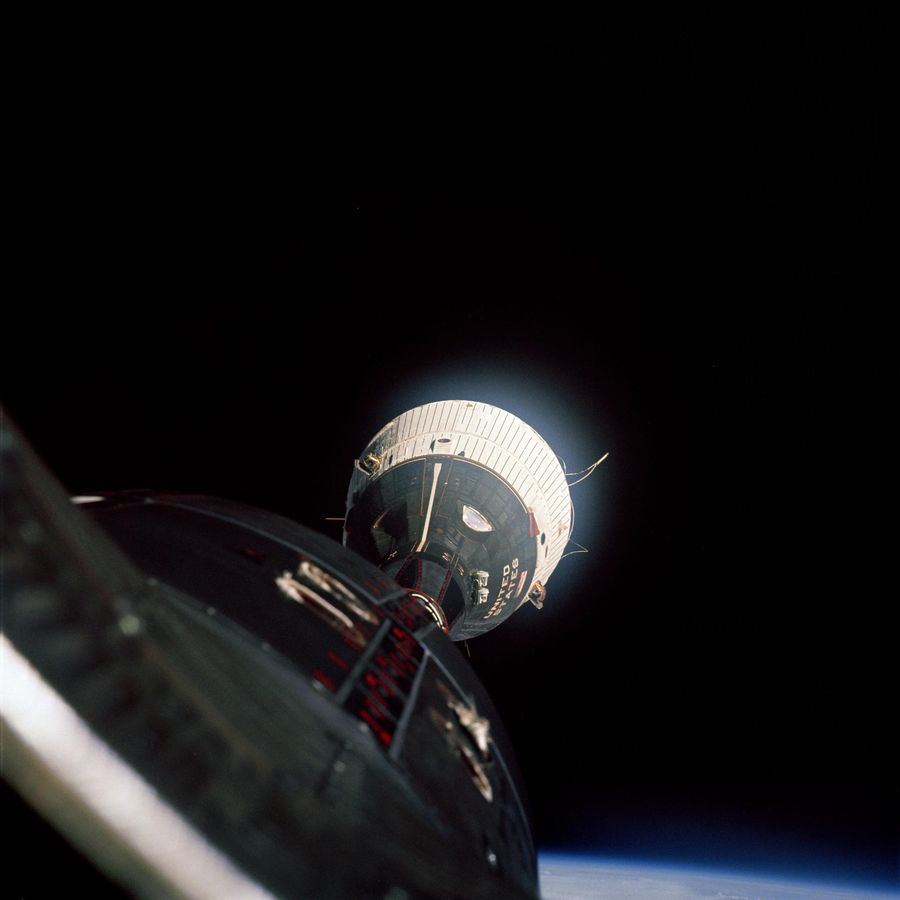
Schirra and Stafford flew Gemini 6A to find Gemini 7, already in orbit with Borman and Lovell aboard. They closed to about one foot and held station for more than five hours. Neither had a docking port, so the two never touched. Rendezvous was the hard part and it was solved here.
Closing on a target in orbit is counter-intuitive: thrusting towards it raises your orbit and makes the gap grow. Gemini 4 had tried exactly that and watched its target drift away.
Mar 1966
first dockingGemini 8partial
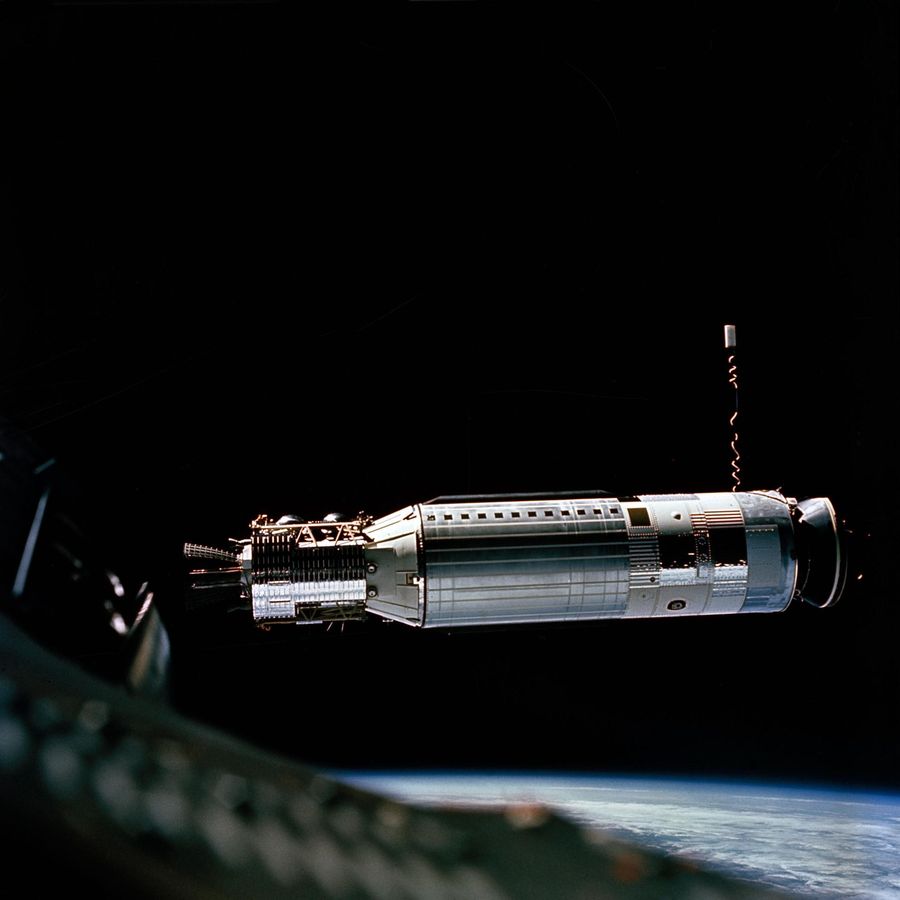
Armstrong and Scott joined two spacecraft in orbit for the first time. Twenty-seven minutes later a stuck thruster on their own vehicle set the docked pair rolling, and undocking made it worse because the Agena mass had been damping it. The full account is here.
A docked pair is one vehicle, with mass properties neither half had alone. Separating from an unlocalised fault was the intuitive move and it was very nearly fatal.
Jun 1966
the target that could not be dockedGemini 9Apartial
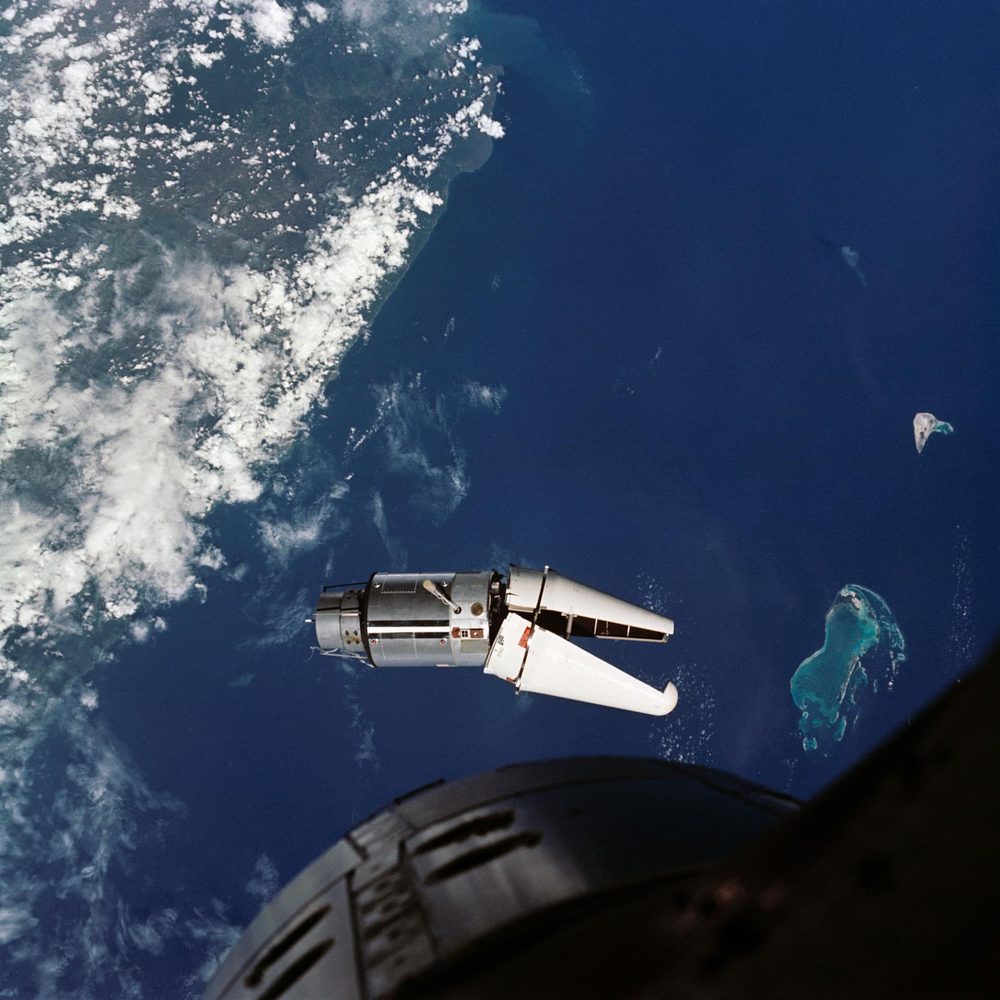
Stafford and Cernan reached their target to find its launch shroud still attached, jaws half open. Stafford called it an angry alligator. They flew three separate rendezvous profiles instead, which turned a failed mission into the best rendezvous training of the programme.
The shroud stayed on because its lanyards had been secured incorrectly before launch: the docking interface includes everything that must leave the target before contact, and ground procedure is part of the flight system.
Jul 1966
the first dead targetGemini 10success
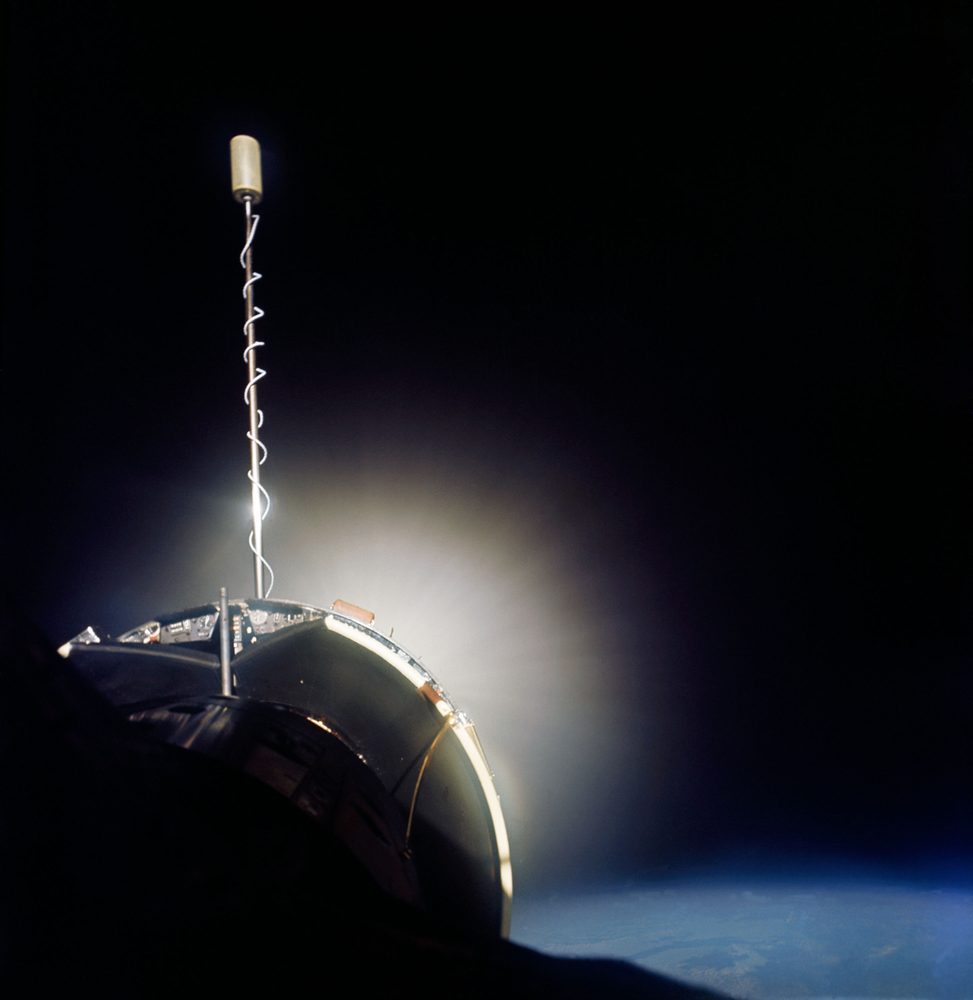
Young and Collins docked with their own Agena, used its engine to climb, then rendezvoused with the derelict Agena left behind by Gemini 8. No transponder, no lights, no attitude control. The first approach to something that could not help.
With no transponder to interrogate, closing range had to come from ground tracking and the crew’s own eyes. Misjudged range against a dark hull has been the standing hazard of unprepared targets ever since.
Sep 1966
docking on the first orbitGemini 11success
Conrad and Gordon docked 94 minutes after launch, a direct ascent rendezvous with no phasing orbits at all. They then used the Agena engine to reach 1,369 km, still the altitude record for a crewed spacecraft in Earth orbit.
A first-orbit rendezvous leaves no phasing time to absorb insertion errors, so everything turns on launching into the target’s plane within a window of seconds. It was flown as the rehearsal for a lunar ascent, where the timeline is not negotiable.
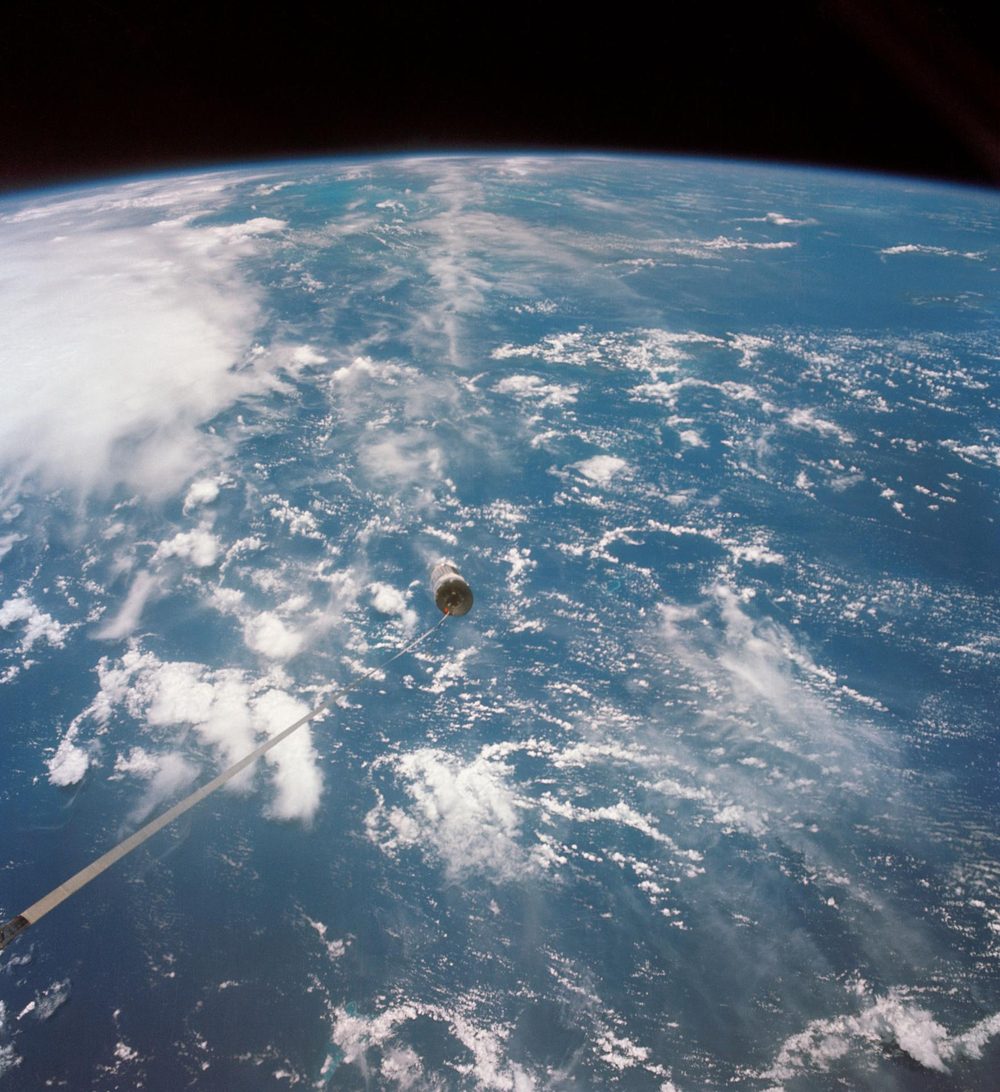
Nov 1966
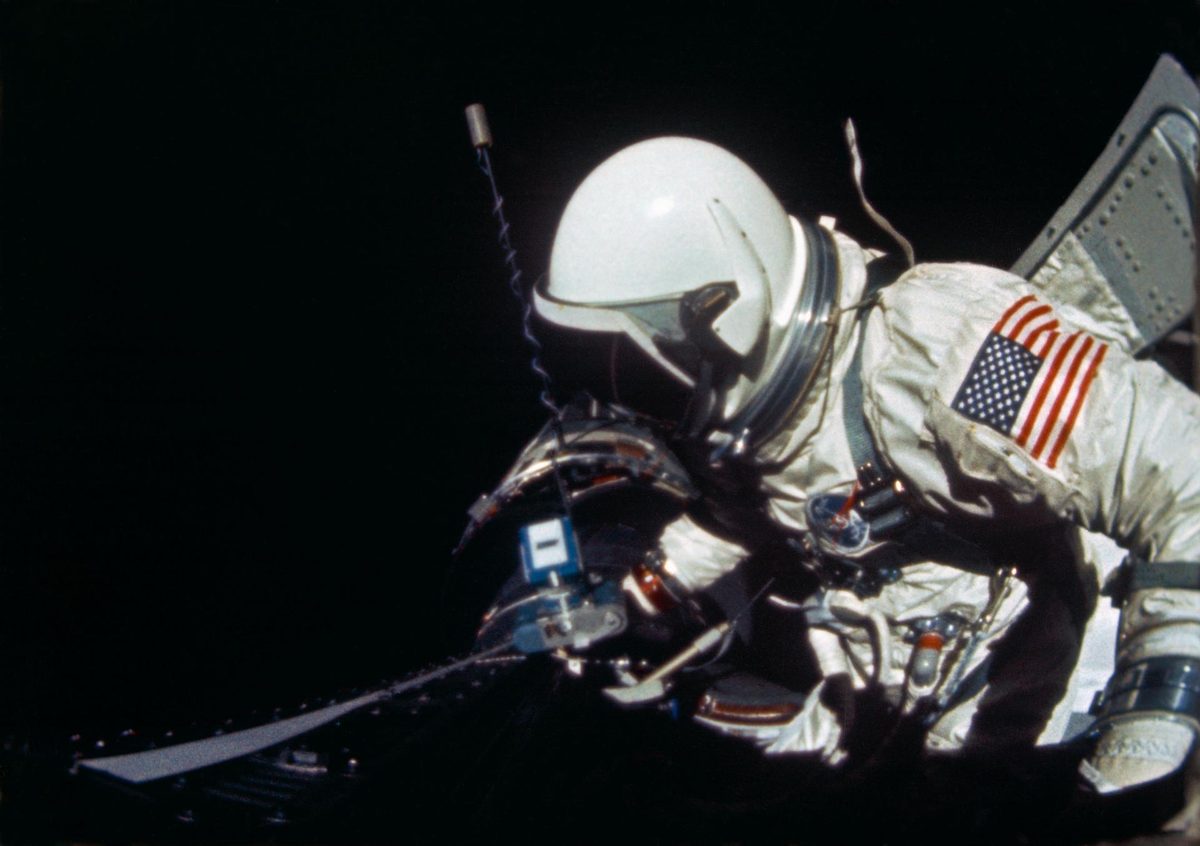
rendezvous by handGemini 12success
The rendezvous radar failed. Aldrin computed the closing manoeuvres from a sextant and a chart, and they docked anyway. His five hours of EVA, rehearsed underwater beforehand, finally made spacewalking a controllable task.
The charts existed because Aldrin’s doctoral thesis was on orbital rendezvous and the manual procedures had been argued into the plan before anyone needed them. Redundancy can be a person with the right mathematics already aboard.
Oct 1967
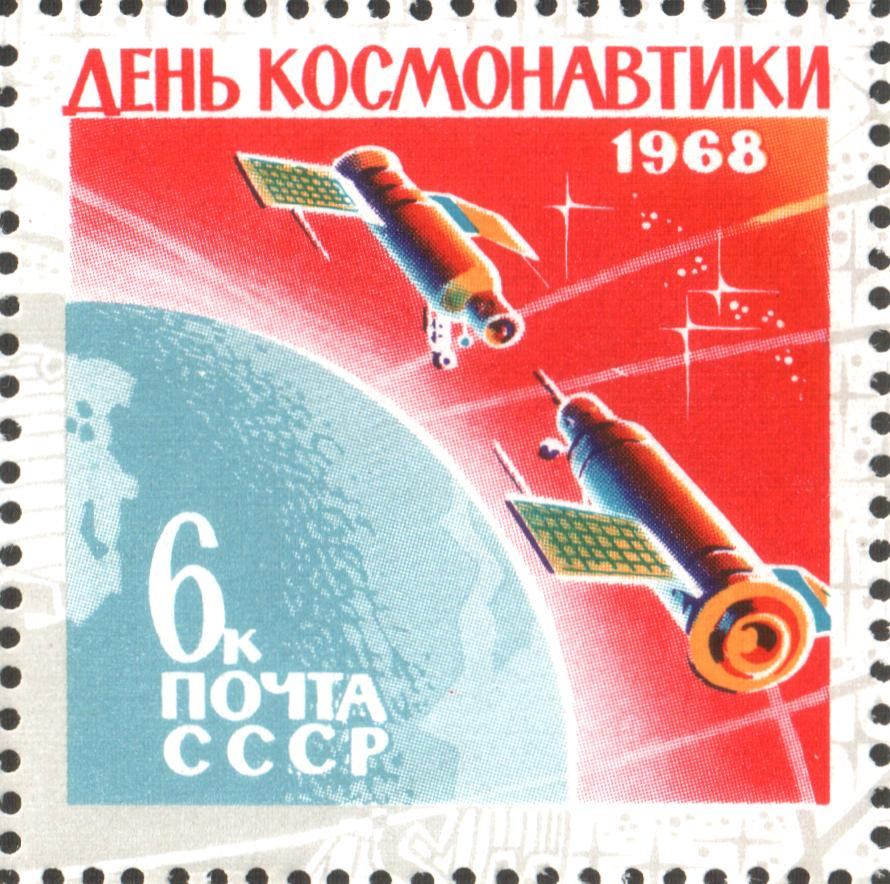
first automatic dockingKosmos 186 and 188success
The Soviet Union docked two uncrewed Soyuz-derived vehicles with nobody aboard either, using the Igla radio system. This is the branch point between two philosophies. The Soviet programme treated automatic docking as the default with manual as backup, and the American programme did the reverse for decades.
The branch point between two philosophies: the Soviet programme made automatic docking the default with manual backup, the American programme the reverse for decades. Igla became Kurs, which is still flying.
Jan 1969
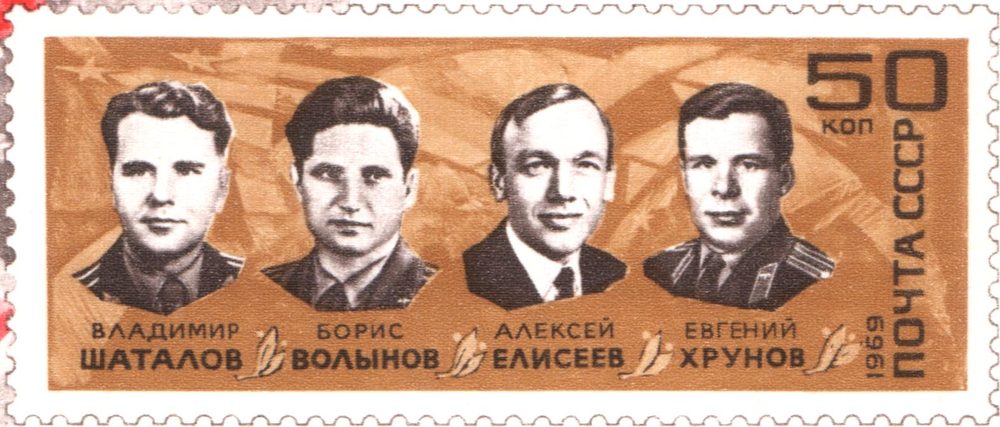
first crew transferSoyuz 4 and 5success
Two crewed spacecraft docked, and two cosmonauts moved between them by spacewalking across the outside. There was no internal transfer tunnel. It established that a docked pair could exchange people, which is what a space station needs.
The hatch and tunnel are as much part of a docking system as the latches: a joint that transfers loads but not people joins spacecraft without joining crews, which is why later designs put the tunnel through the centre of the mechanism.
Mar 1969
the lunar module rehearsedApollo 9success
Rendezvous and docking of the command and lunar modules in Earth orbit, including a separation to 180 km and a return. The first flight of a spacecraft that could not re-enter, so the rendezvous was not optional.
Flying it first in Earth orbit preserved a rescue option, because the command module could still come and fetch a stranded lunar module. At the Moon that net would not exist, so every abort and rendezvous mode was proven while it did.
May 1969
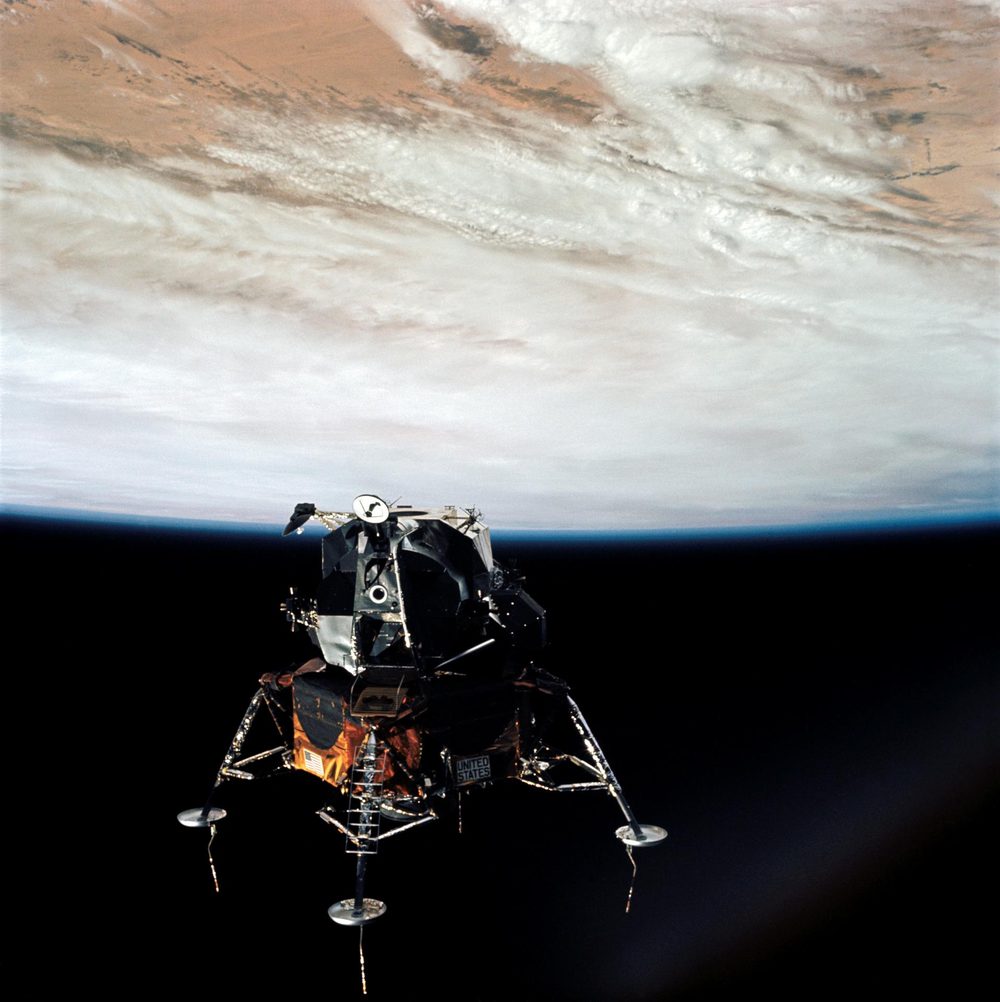
the full profile short of landingApollo 10success
The lunar module descended to 15 km above the Moon and then rendezvoused with the command module in lunar orbit. Everything except the landing, at the real distance and with the real light delay.
Rehearsing at the Moon mattered because lunar navigation could not be fully simulated: the mass concentrations under the surface perturbed low lunar orbits in ways the models had not yet learnt, and the landing missions aimed with what this flight measured.
Jul 1969
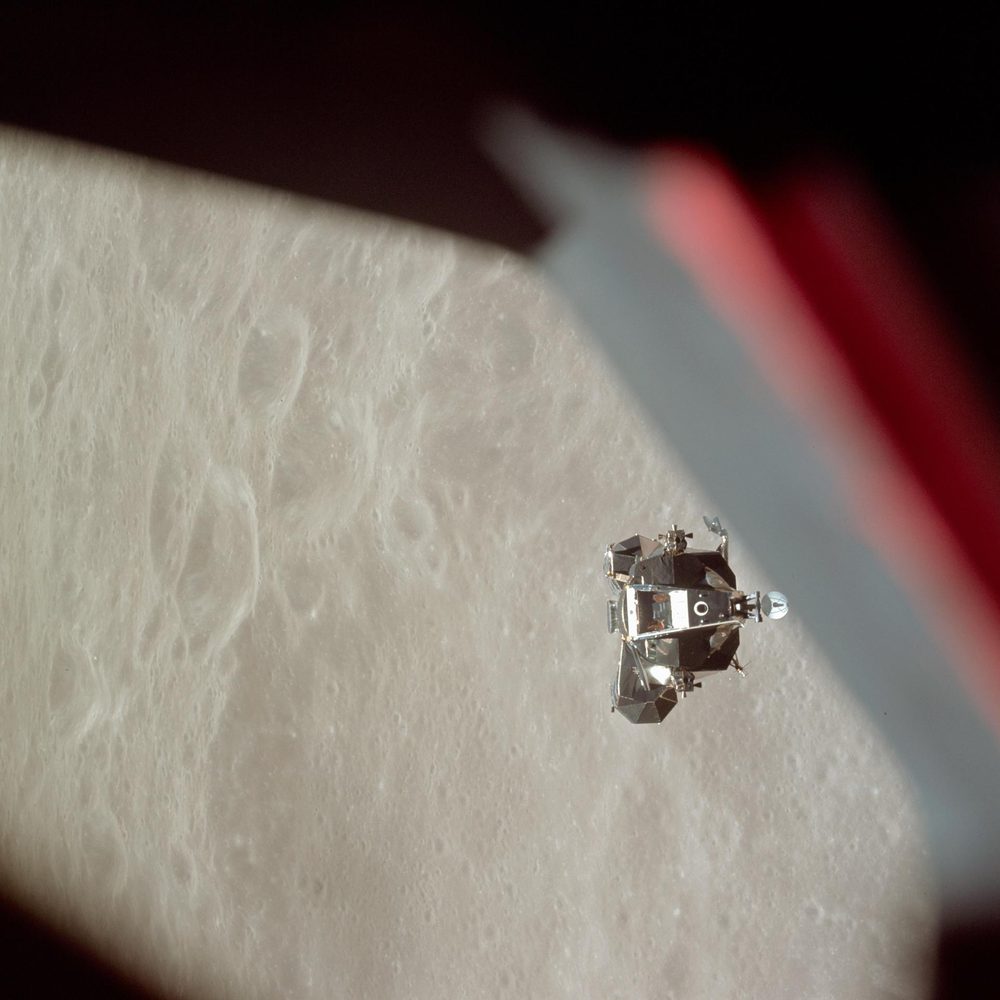
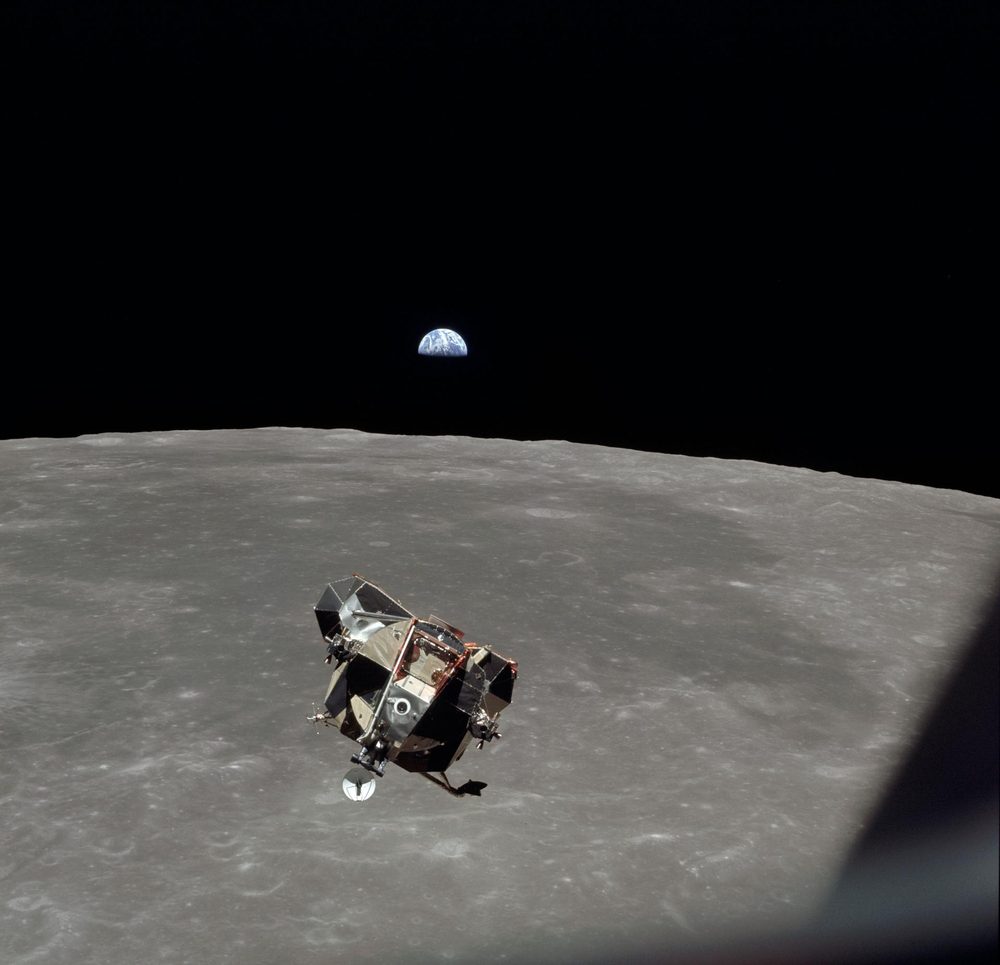
the rendezvous nobody talks aboutApollo 11success
The landing is the famous part. The engineering achievement was the ascent stage finding the command module in lunar orbit afterwards, with one engine, no backup, and no possibility of rescue if it missed.
The whole architecture rested on lunar orbit rendezvous working: it is why the lander could be left behind and the vehicle that went did not have to be the vehicle that came home.
T minus 00:07:30 STATIONS, AND THE FIRST ROUTINE DOCKING
Stations, and the first routine docking
Once there was somewhere to go, docking stopped being an achievement and became a scheduled operation. Resupply is what forced it to become reliable.
Apr 1971
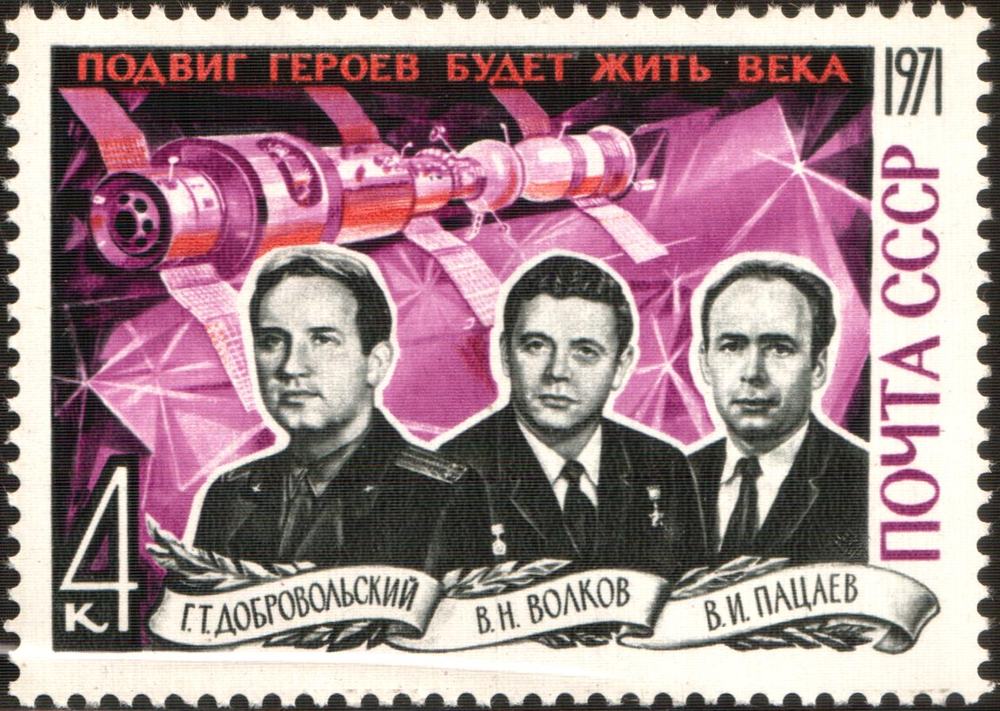
Salyut 1Soyuz 10 and 11partial
The first space station. Soyuz 10 docked but could not open the hatch and returned. Soyuz 11 got aboard and stayed 23 days, then the crew died during re-entry from a valve that opened early. Docking had become routine faster than everything around it.
Soyuz 10’s soft capture without a usable hard dock showed that the final centimetres, latches, seals and hatch, are a separate engineering problem from the approach that precedes them.
May 1973
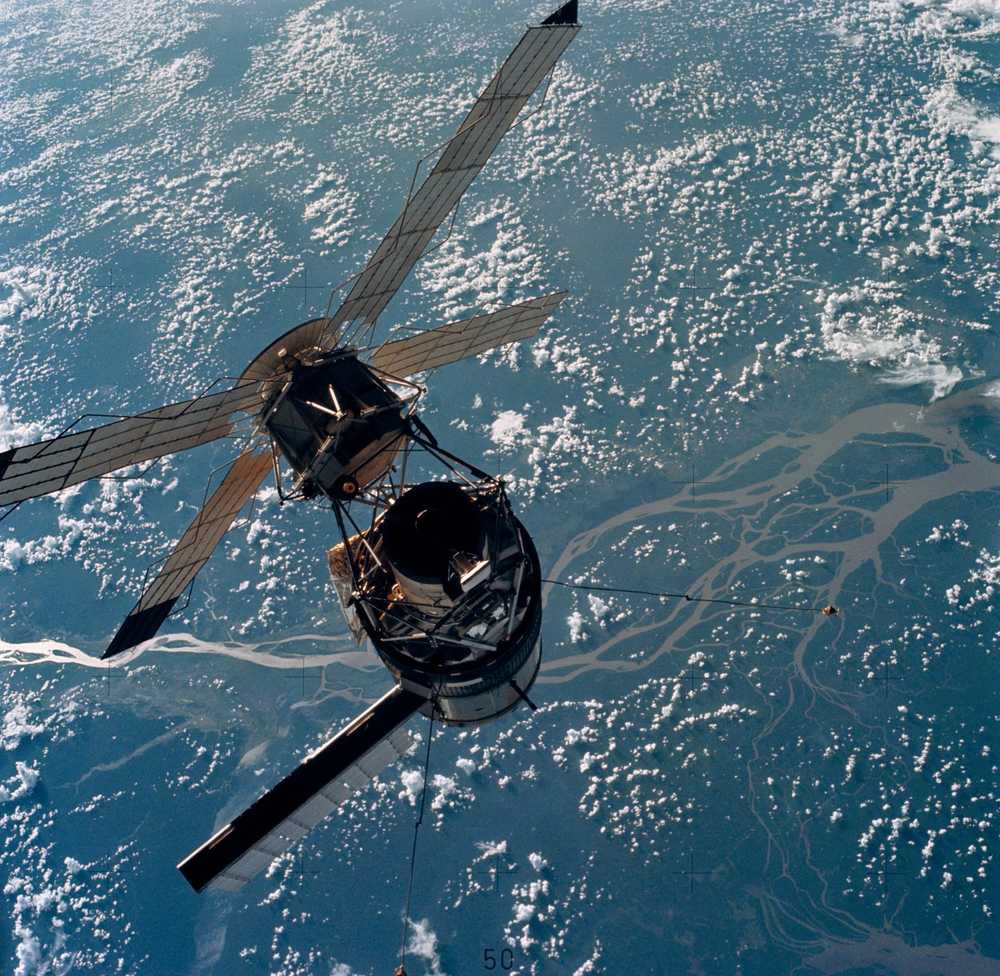
docking to a damaged stationSkylabsuccess
Skylab reached orbit with a solar array torn off and a heat shield missing. The first crew flew a fly-around inspection before docking, then repaired it from outside. Approach and inspection as a diagnostic tool, not just a step towards docking.
Inspection at close range only works if the inspector can hold station without its plumes loading the structure it came to examine, a constraint that has shaped approach corridor design for every servicing mission since.
Jul 1975
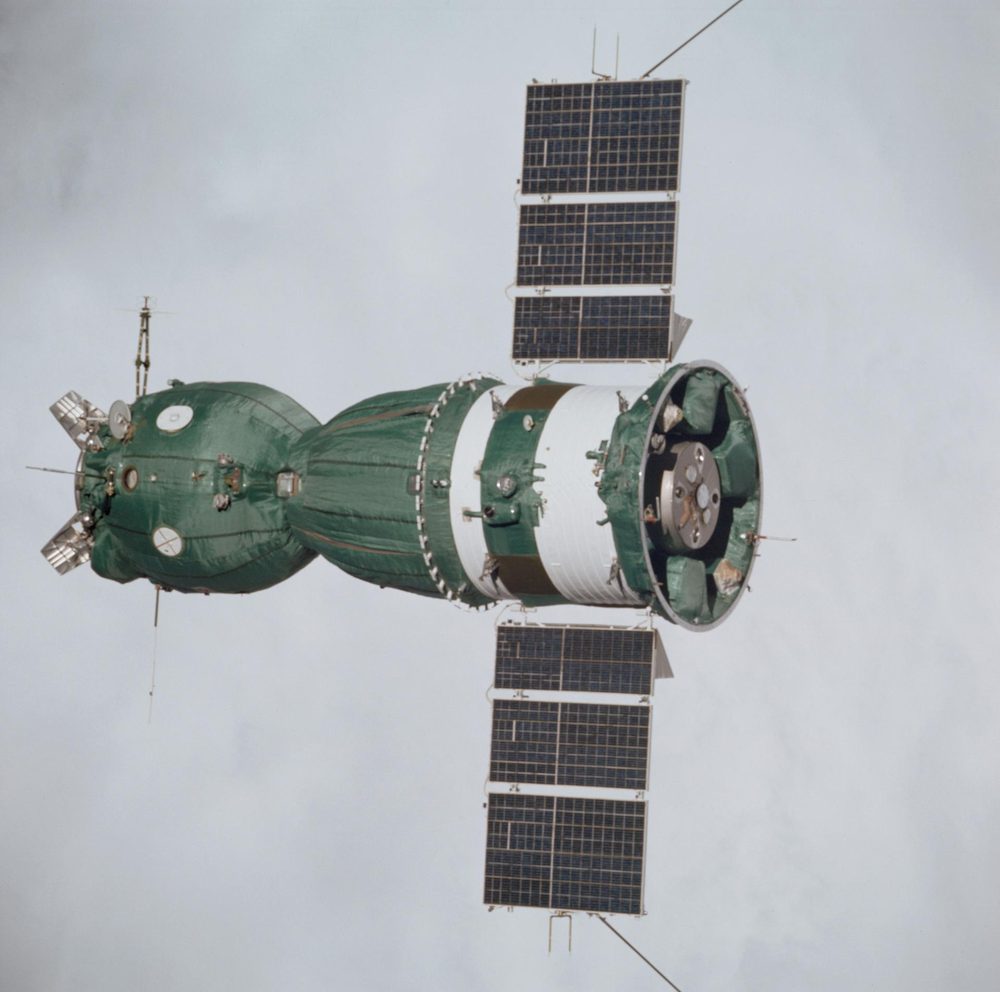
first international dockingApollo and Soyuzsuccess
Two spacecraft with incompatible hatches, incompatible atmospheres and incompatible everything else, joined by an androgynous adapter built for the purpose. The hard problem was agreeing an interface, not flying the approach.
Androgynous means neither side is probe nor drogue, so either vehicle can be the active one. The principle runs through APAS into the standard the ISS uses now.
Jan 1978
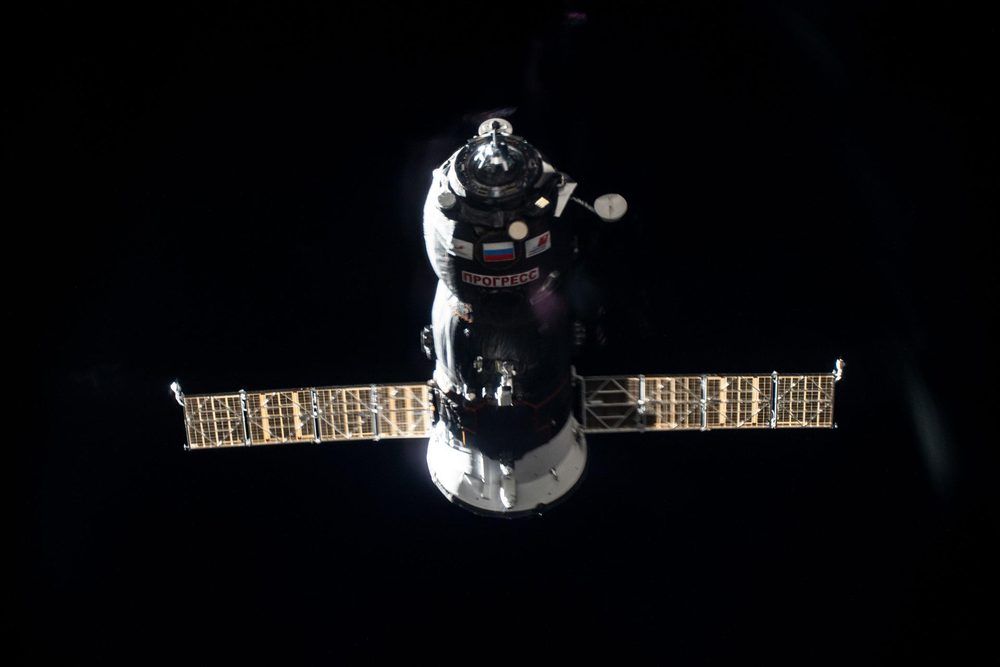
first uncrewed resupplyProgress 1success
A stripped-down Soyuz with no heat shield and no seats, carrying propellant and cargo to Salyut 6, docking automatically and later burning up on purpose. It made long-duration occupation affordable and is still flying today.
A freighter that ends its flight by burning up can carry no crew and no manual mode of its own, which made full automation the economical choice rather than the ambitious one.
1986 onward
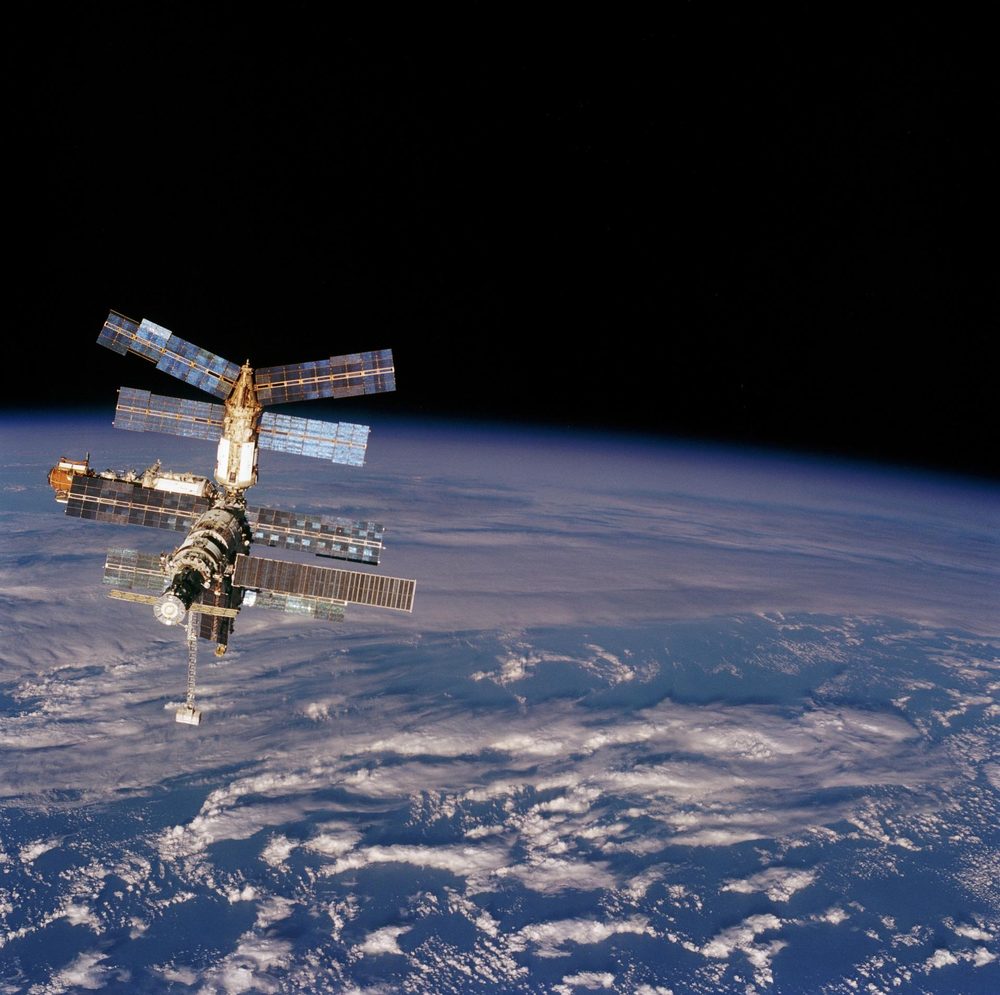
assembled by dockingMirsuccess
A station built module by module, each one arriving under its own power and docking itself, some using a manipulator arm to relocate to a side port afterwards. Assembly in orbit became an engineering discipline rather than a demonstration.
Each module was a complete spacecraft with guidance and propulsion for a single journey, flown once and then absorbed into the structure. Self-docking assembly is the discipline Mir proved and the Russian segment of the ISS still uses.
T minus 00:06:00 THE SHUTTLE ERA
The Shuttle era
A vehicle with an arm and a payload bay changed the question from whether two spacecraft could meet to what could usefully be done once they had.
Apr 1984
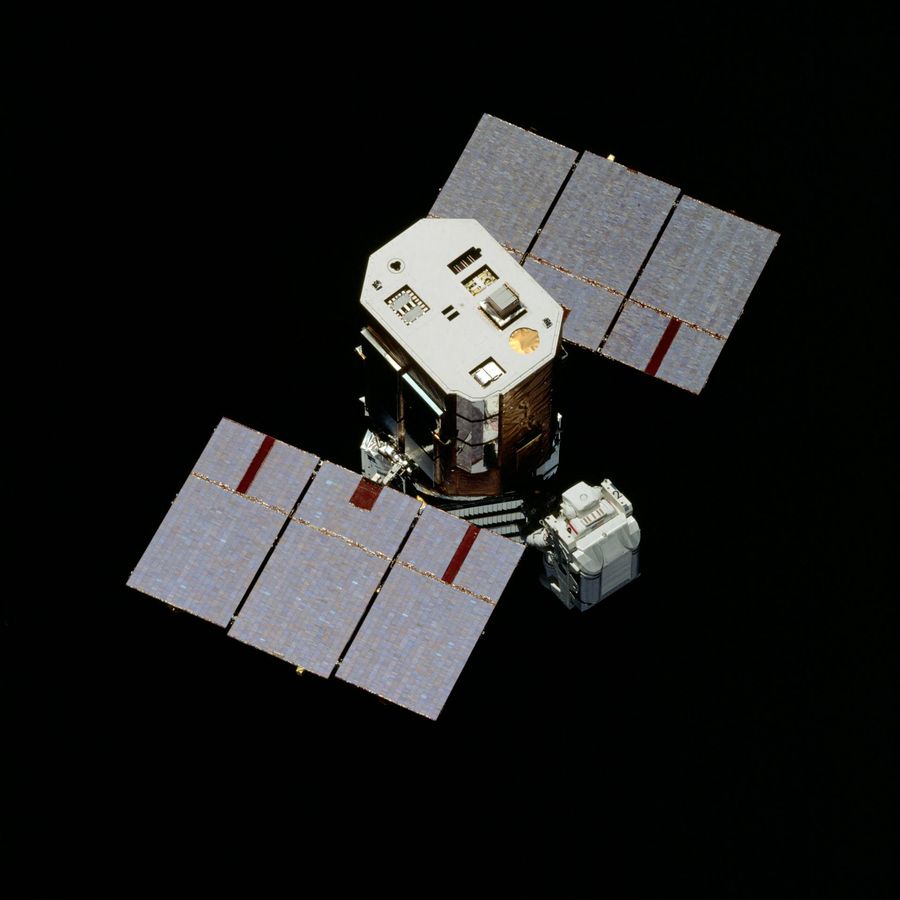
first satellite repairSolar Maxsuccess
A crew captured a failed satellite, replaced its attitude control module in the payload bay and released it working. The first capture attempt failed and left it tumbling, which cost a day of stabilising. A failed capture can make a target harder to capture.
The capture tool snagged on a small blanket standoff that did not appear in the drawings, so the hardware met a spacecraft that differed from its documentation. Knowing the as-built state of the target has been a servicing requirement ever since.
Nov 1984
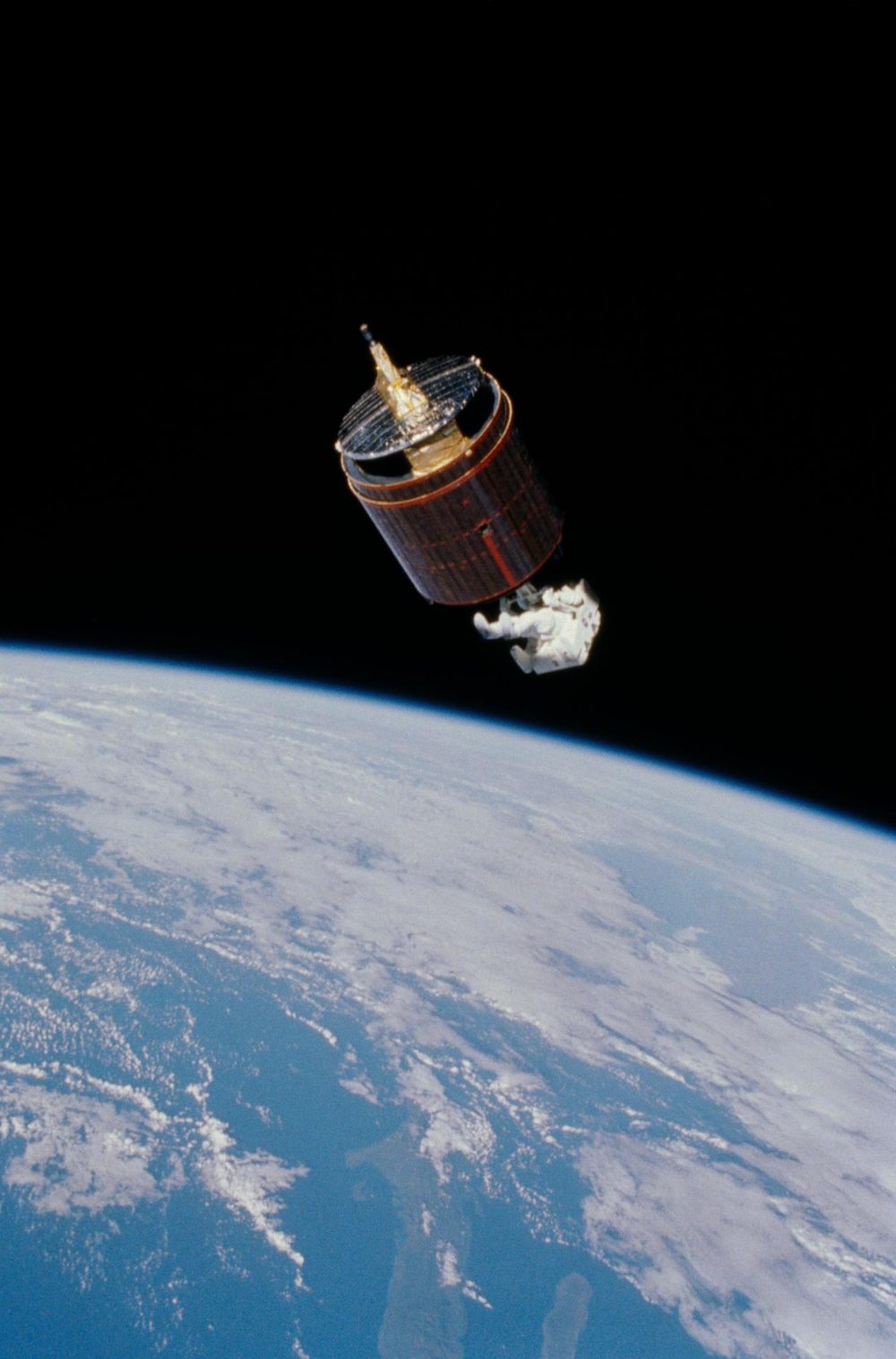
first satellite recoveryPalapa B2 and Westar 6success
Two communications satellites stranded in useless orbits were captured by astronauts flying manned manoeuvring units, wrestled into the payload bay and brought home. Still the only time satellites have been retrieved to Earth and later reflown.
Both were spin-stabilised satellites offering nothing designed for capture, so the stinger went up the apogee motor nozzle, the same improvised feature MEV-1 would turn into a docking port thirty-five years later.
Dec 1993
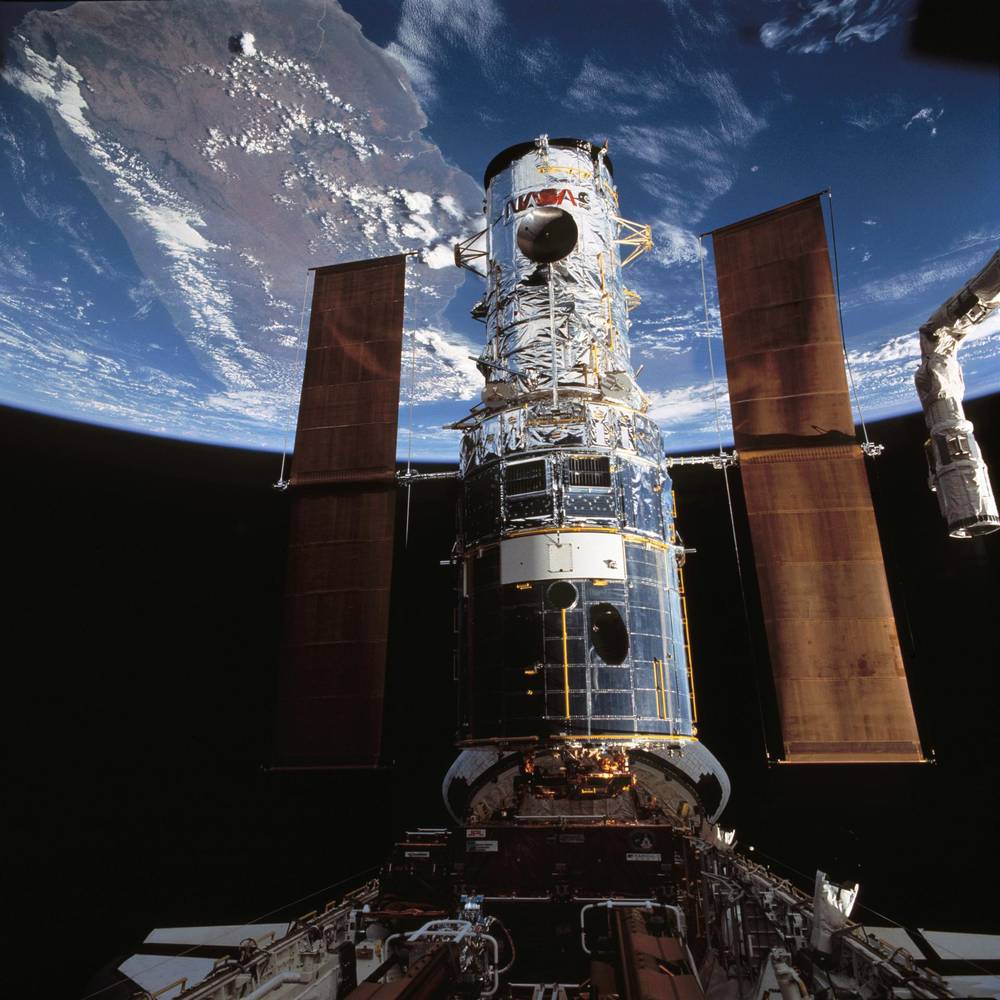
servicing a live telescopeHubble servicing mission 1success
The most demanding proximity operation attempted to that point: capture a 11-tonne telescope, hold it in the bay through five spacewalks, correct its optics and release it. Four more servicing missions followed to 2009.
Solar Max proved a satellite could be caught and repaired; Hubble proved it could be planned for, with handholds, standard fasteners and modular boxes designed in.
Jun 1995
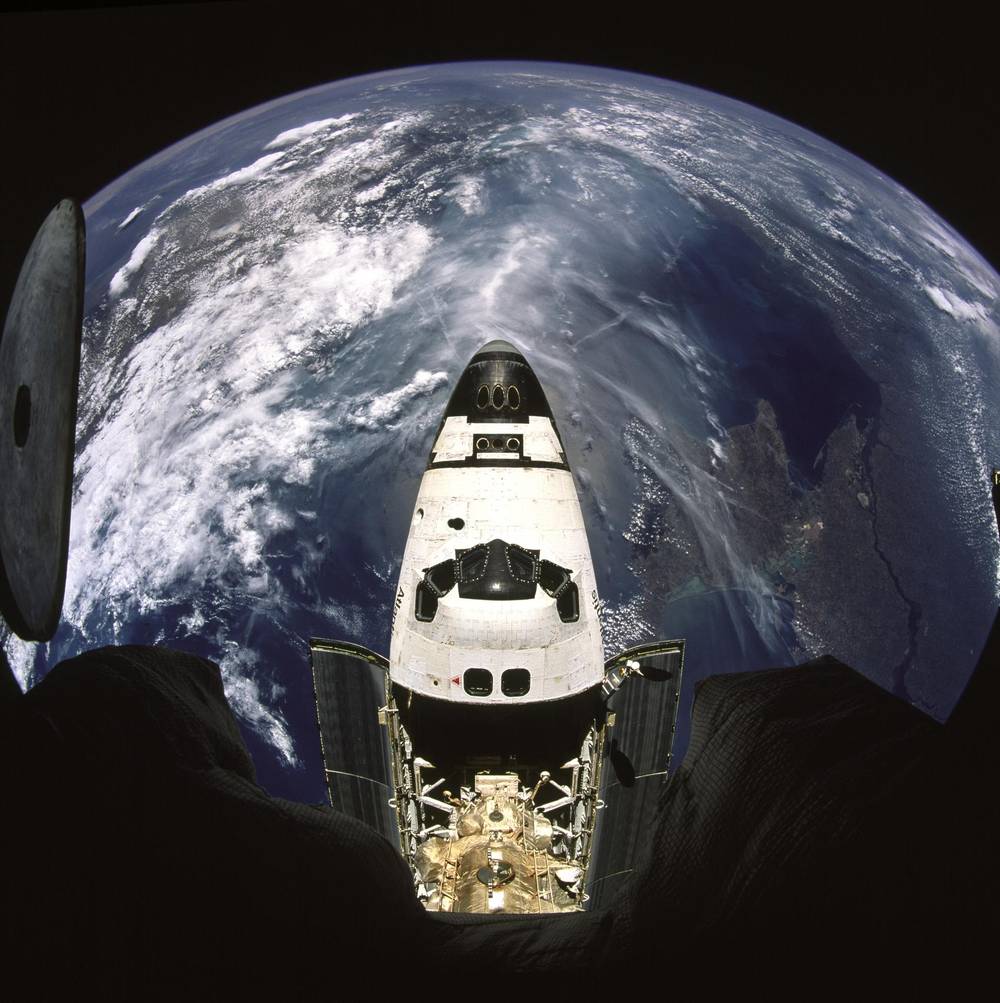
unequal massesShuttle and Mirsuccess
A 100-tonne orbiter docking with a 120-tonne station, nine times over three years. Contact dynamics between two large flexible structures became a real design driver, and the approach corridor was constrained as much by where the thrusters could safely point as by where the port was.
Contact dynamics stop being a detail at this mass: the docking system had to absorb the meeting of two large flexible structures, and the corridor was set by where the plumes could point.
Dec 1998 onward
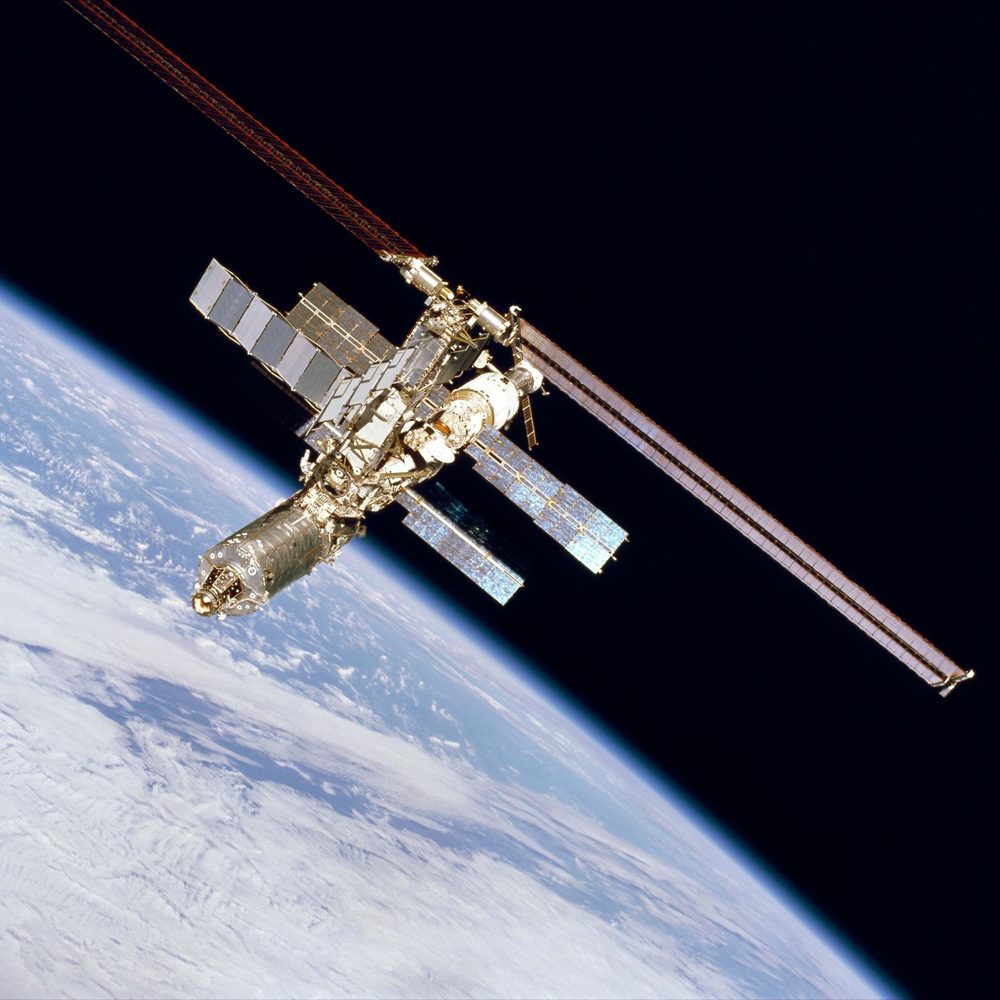
a station built by dockingISS assemblysuccess
More than thirty flights across a decade, from five agencies, docking or berthing hardware they had not built to hardware they had not built. Interoperability stopped being a courtesy and became a requirement.
The interface documents did the real work: each vehicle qualified against the port specification rather than against the other hardware, which is what lets two spacecraft meet for the first time in orbit and fit.
T minus 00:04:30 AUTONOMY, AND WHAT IT COSTS TO GET WRONG
Autonomy, and what it costs to get wrong
Removing the crew from the loop is the step that makes servicing and debris removal economic. It is also the step where the failures start.
Nov 1997
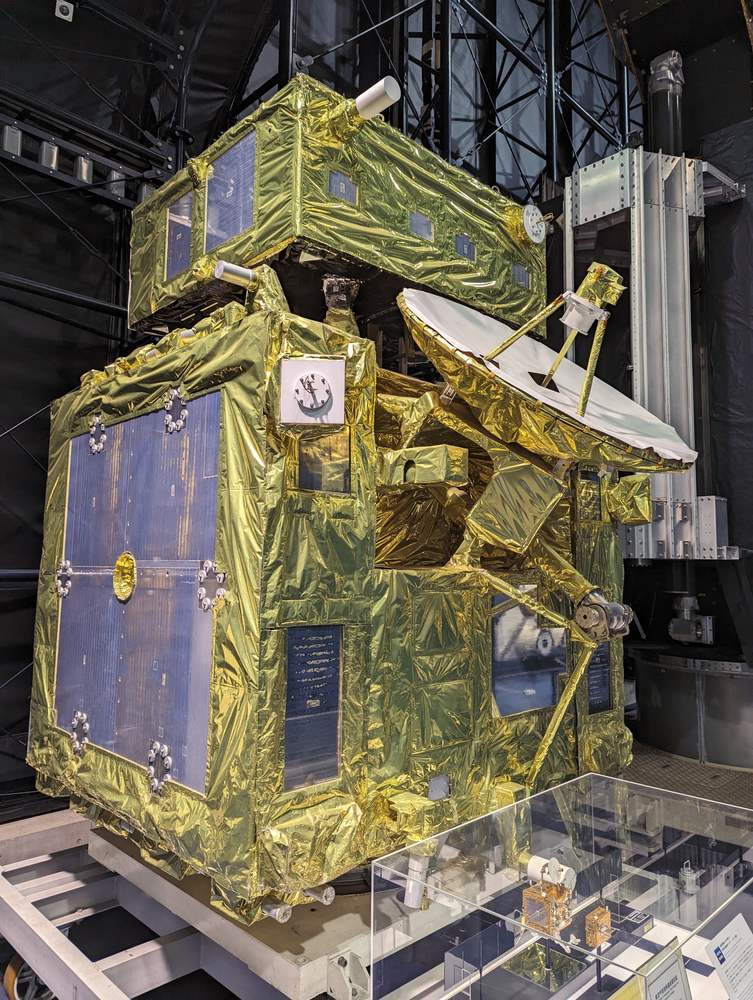
first fully autonomous rendezvous and dockingETS-VIIsuccess
Japan flew two uncrewed spacecraft that rendezvoused, docked, separated and docked again with nobody aboard and nobody flying it. It went further and deliberately released its target, let it drift, then captured it again with a robotic arm. It also proved the loop had to close on board, because the round trip to the ground was seconds long.
Its recoveries mattered as much as its firsts: a thruster anomaly during one approach was worked around with procedures uploaded in flight, which showed that autonomy needs a supervised abort and retry path, not just a nominal sequence.
Apr 2005
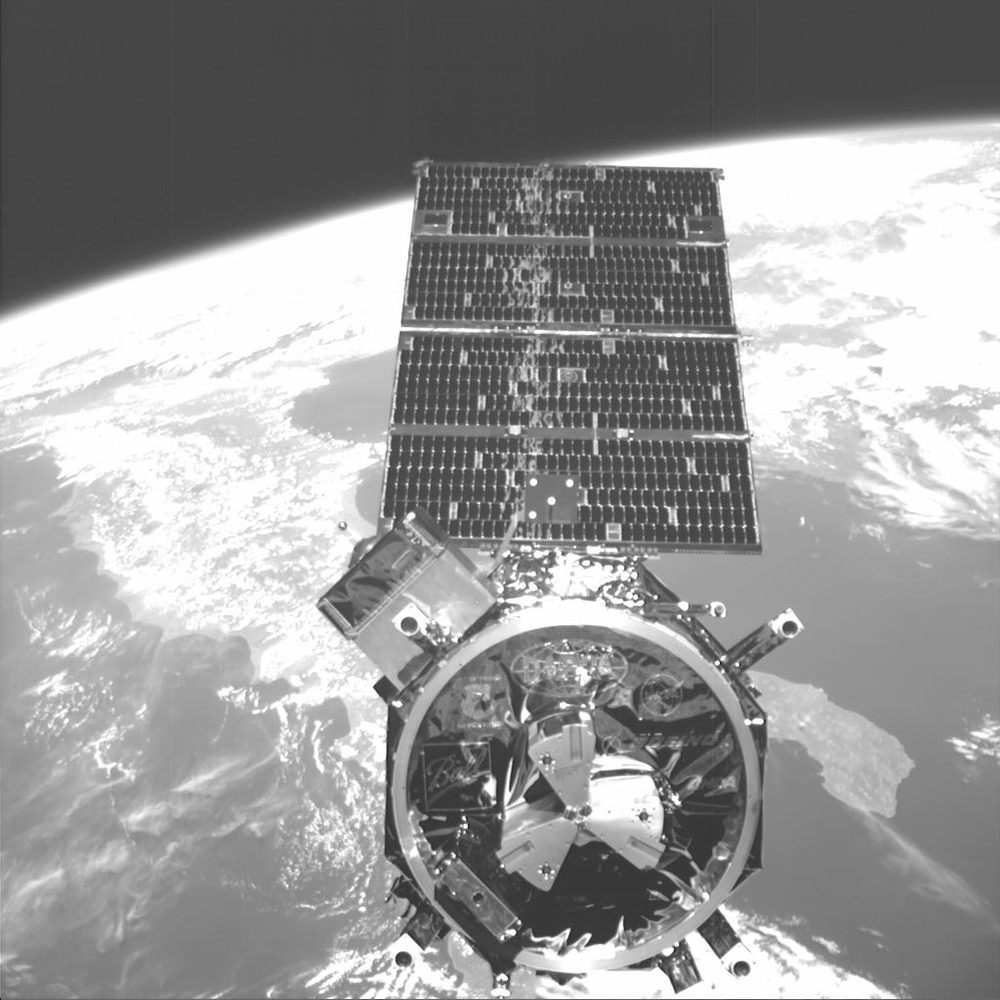
an estimator that was confidently wrongDARTfailed
An autonomous rendezvous demonstrator collided with the satellite it came to inspect. Its navigation had drifted and its own estimate of closing velocity was badly wrong, with nothing independent to check it against. It retired early on depleted propellant. An estimator without a cross-check is a single point of failure that reports success.
The mishap board traced the drift to a navigation filter that kept resetting and reintroducing a biased velocity measurement, and the collision was gentle enough that the spacecraft never registered it had happened.
2007
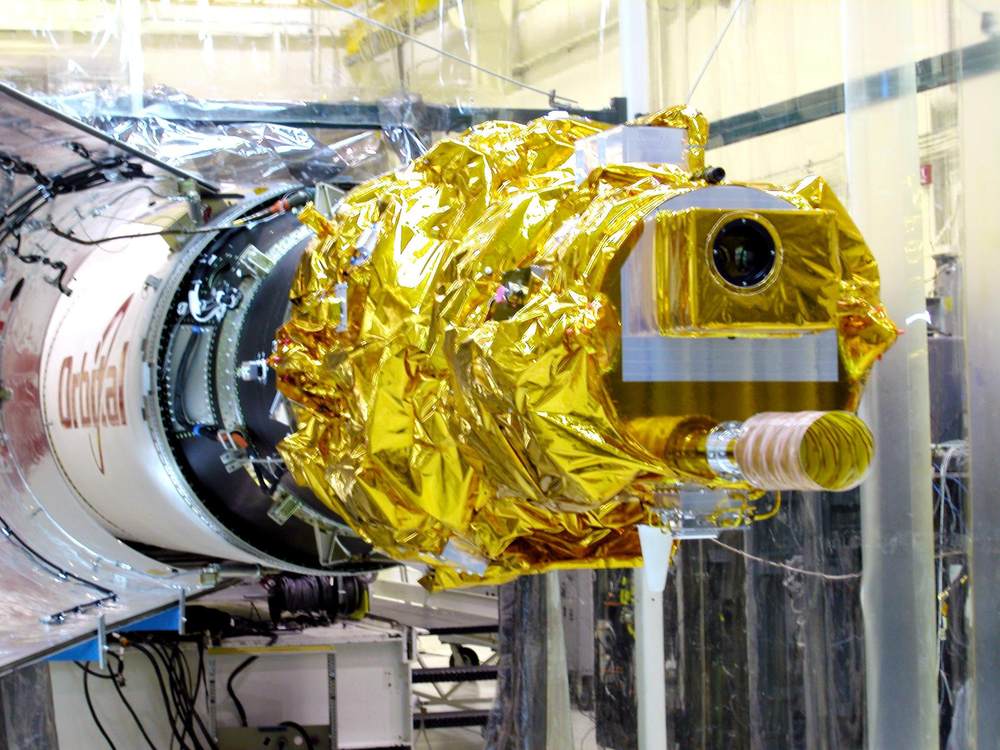
servicing demonstrated end to endOrbital Expresssuccess
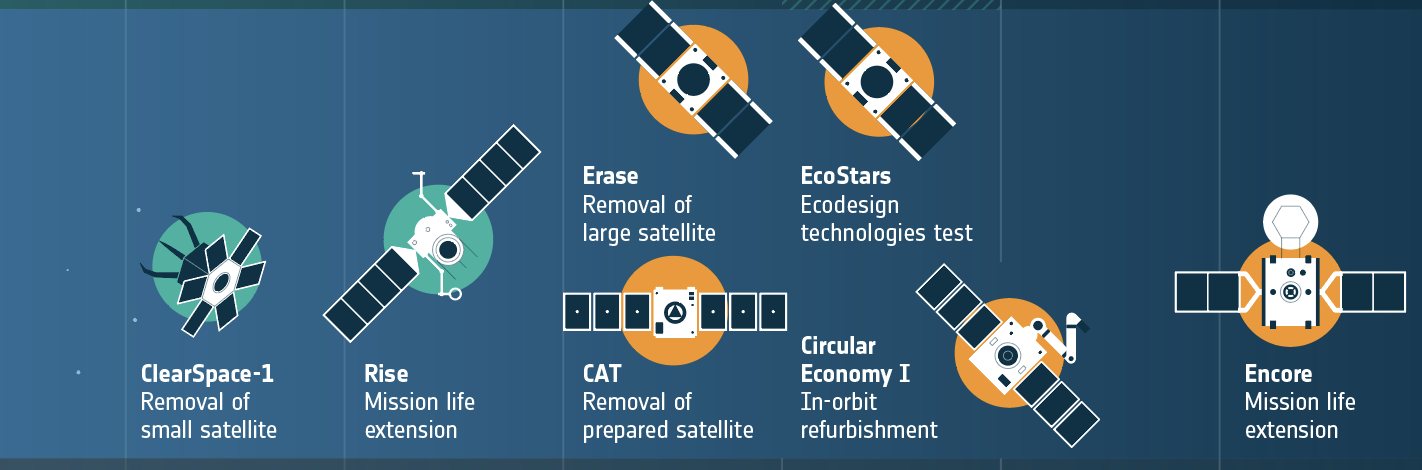
Two purpose-built spacecraft autonomously docked, transferred hydrazine, swapped a battery and a flight computer by robotic arm, and separated. It demonstrated the whole servicing chain and then, notably, was not followed up for over a decade.
The pause was economic rather than technical: a servicer needs clients that plan to be serviced, and none existed. MEV-1 closed the gap by selling station-keeping, the one service every ageing satellite already needs.
T minus 00:03:00 CARGO, AND THE SPLIT BETWEEN DOCKING AND BERTHING
Cargo, and the split between docking and berthing
Once resupply became competitive, two different approaches appeared, and the difference between them is not cosmetic.
1978 onward
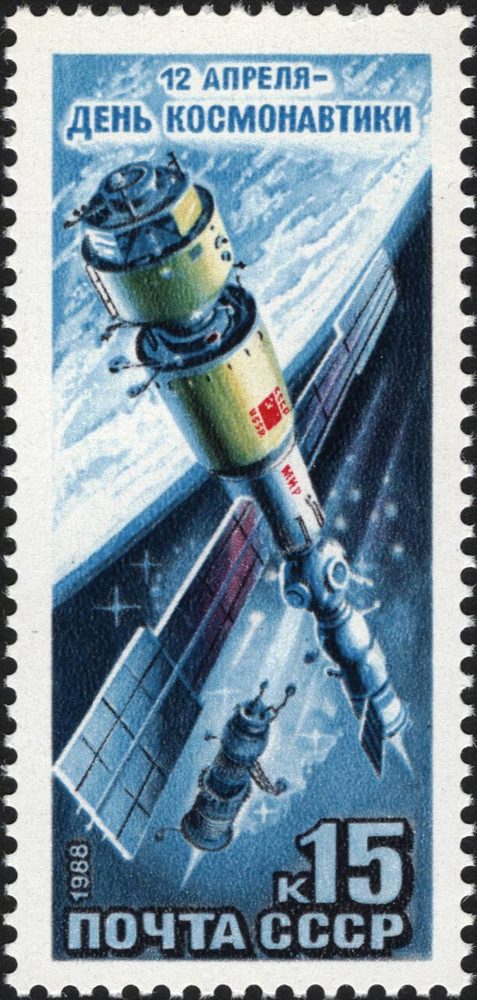
and KursProgresssuccess
The Igla system gave way to Kurs in the 1980s, which is still the workhorse. Automatic approach with a manual TORU backup flown from inside the station, a fallback that has been needed more than once.
Kurs is cooperative automation rather than autonomy: antennas on both vehicles measure the relative state together, so a fault at either end can hand the final approach to the TORU operator watching from inside the station.
2008 to 2014
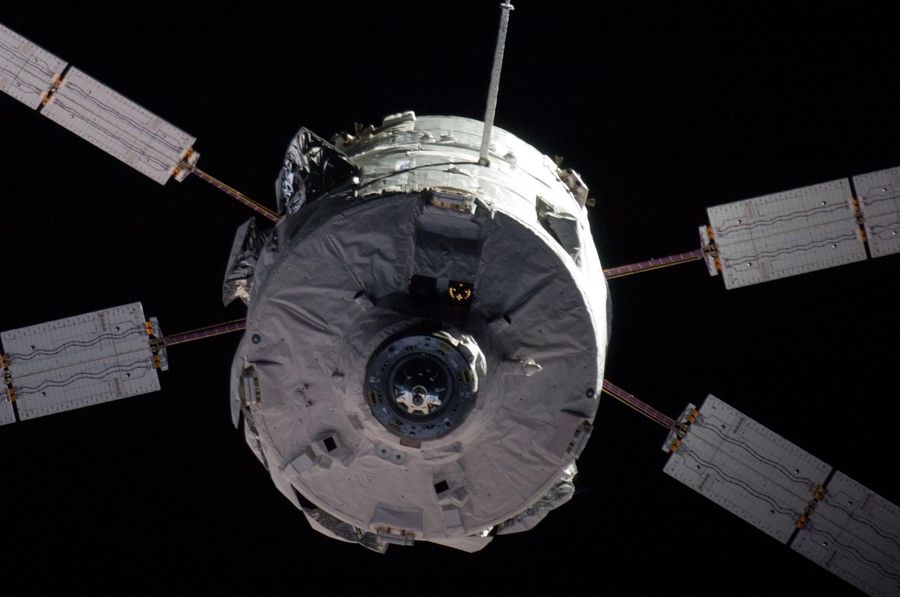
automatic docking to the ISSATVsuccess
Europe flew five Automated Transfer Vehicles, navigating the final approach with videometers tracking retro-reflectors on the Russian segment. Before it was allowed near the station it had to demonstrate a collision avoidance manoeuvre and a full escape sequence, which made passive safety a licence condition rather than a design preference.
The demonstration requirement is the interesting part: ATV had to prove it could abort safely before it was permitted to approach, which makes passive safety a licence condition rather than a design preference.
2009 onward
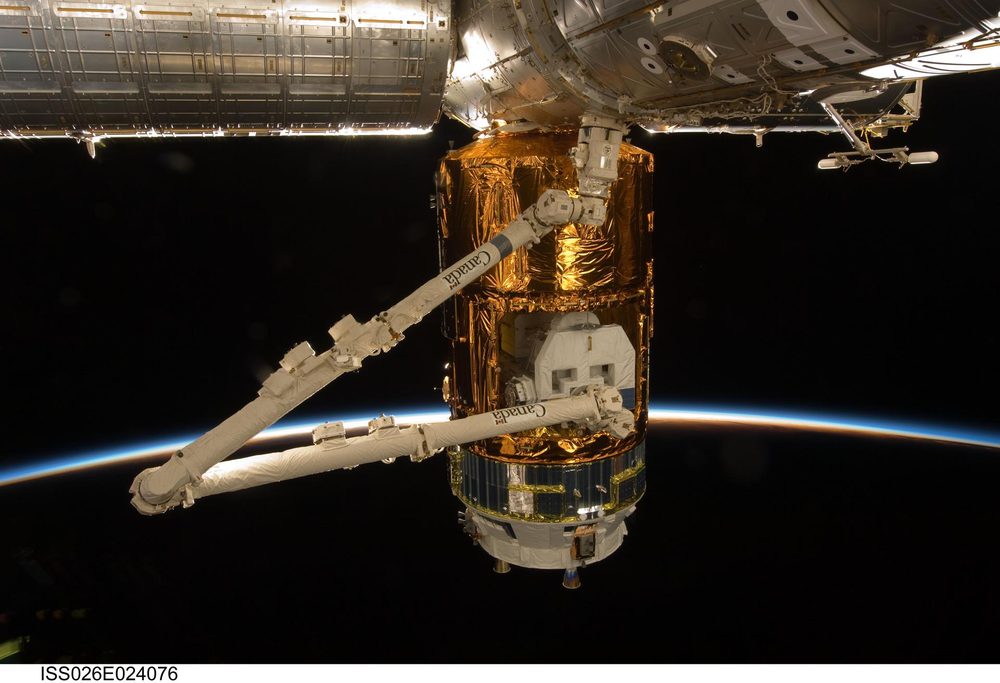
berthing instead of dockingHTV Kounotorisuccess
Japan chose a different answer: fly to a hold point about ten metres away, stop, and let the station arm capture and berth it. Slower, and it needs the arm and a crew, but the vehicle never has to fly itself into contact.
The hold point converts a docking safety case into a berthing one, because the vehicle only has to prove it can stop and stay stopped. Its grapple fixture and approach profile became the de facto standard the commercial freighters reused.
2013 onward
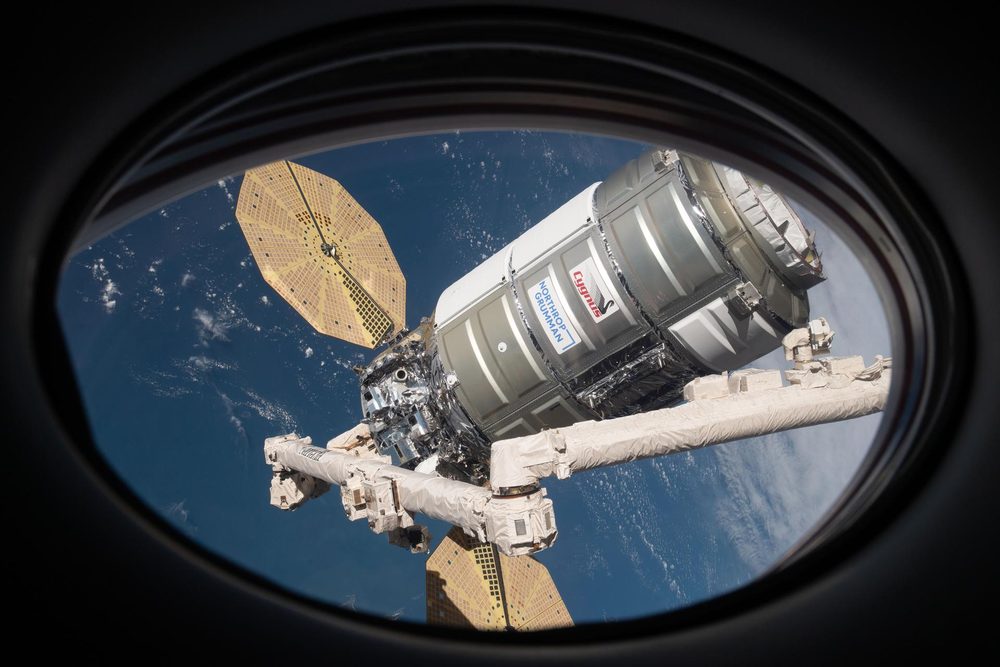
berthing, then reboostCygnussuccess
A commercial freighter that also berths. Its later flights have doubled as a reboost stage for the station, which turns a cargo vehicle into part of the station propulsion system.
A reboost through a berthed joint turns the berthing mechanism into a structural load path and hands attitude authority to a visiting vehicle for the length of the burn, both of which had to be qualified before the first firing.
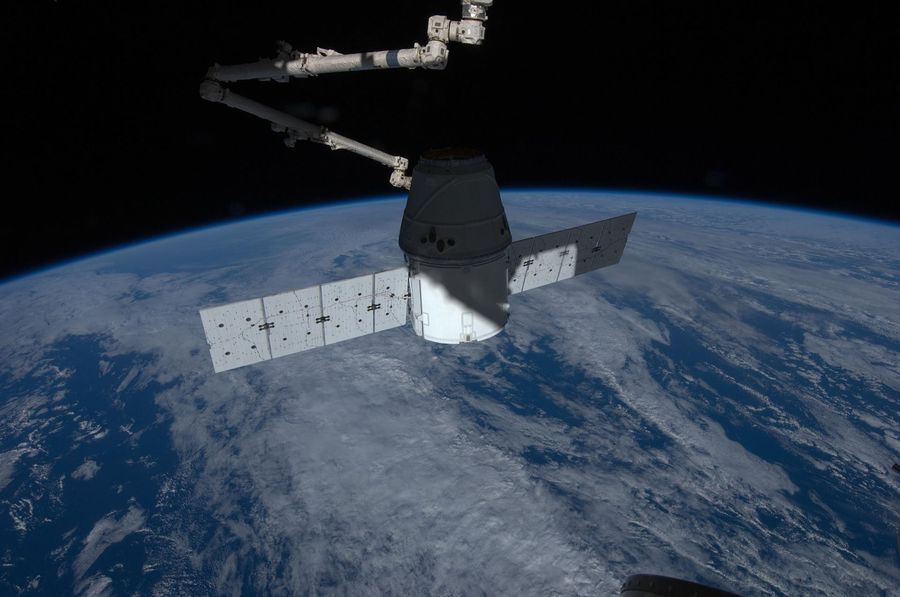
May 2012
first commercial vehicle to the ISSDragon C2+success
A privately built spacecraft reached the station, held station while its systems were checked, and was captured by the arm and berthed. Berthed, not docked: the arm did the final positioning.
Berthing and docking are different operations with different failure modes: berthing puts an arm and a human in the loop for the last metres and tolerates a slower approach.
T minus 00:01:30 CREW, COMMERCE, AND UNCOOPERATIVE TARGETS
Crew, commerce, and uncooperative targets
The current era. Docking is now something several companies do on contract, and the interesting targets are the ones that were never meant to be approached at all.
Mar 2019
first autonomous commercial dockingCrew Dragon Demo-1success
A commercial crew vehicle flew itself to the ISS and docked with no crew aboard and no arm involved, using the International Docking Adapter. The first use of the IDSS standard interface in flight.
The interface standard is the quiet achievement: any vehicle built to the published IDSS document can dock with any compliant port, which decouples spacecraft from station and makes a market of visiting vehicles possible.
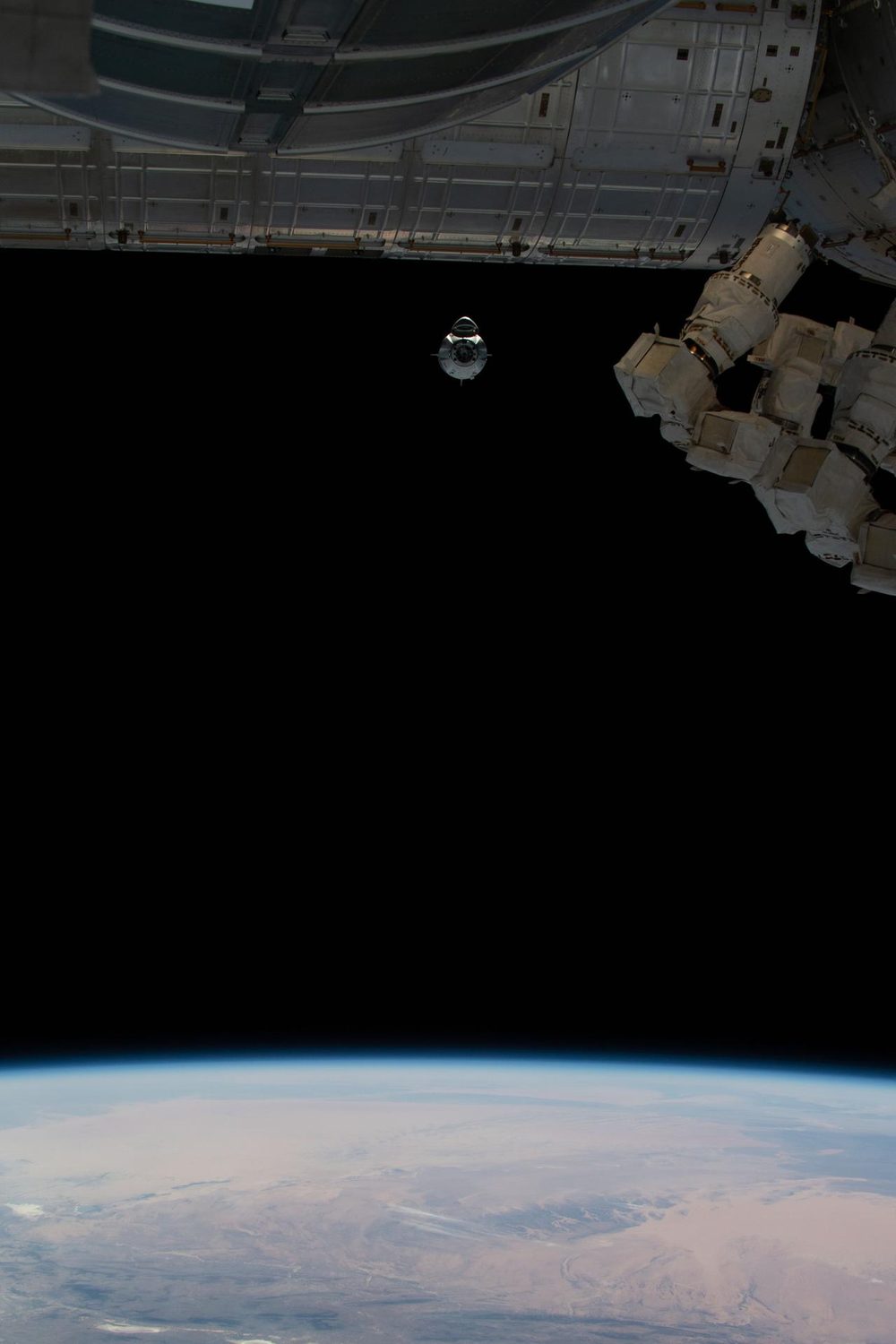
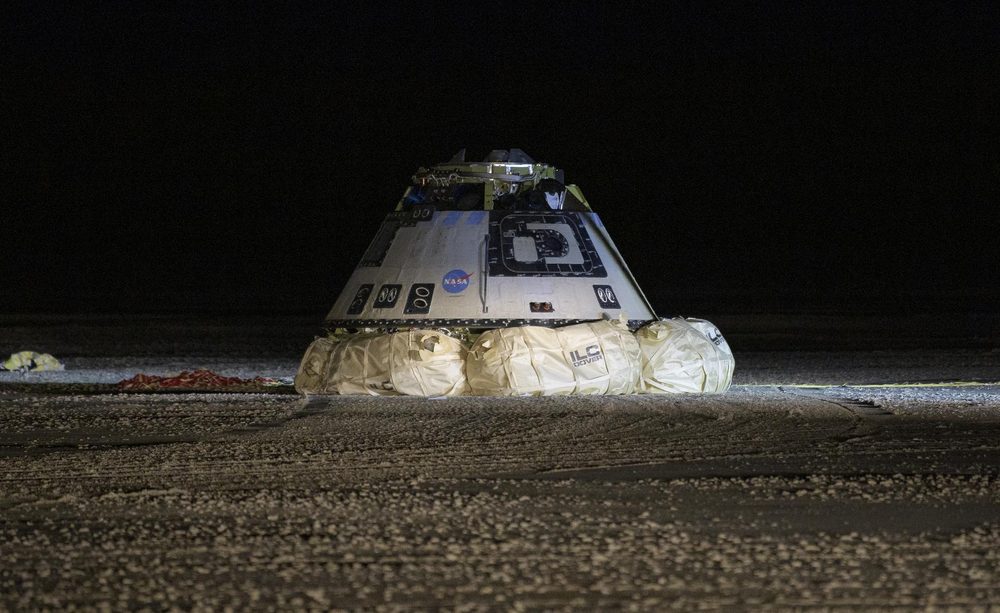
Dec 2019
a rendezvous that never happenedStarliner OFTfailed
A mission elapsed time error put the spacecraft into the wrong burn at the wrong moment, burning the propellant reserved for the rendezvous. It never reached the station. A timing fault, not a guidance fault, which is a useful reminder of where the failure modes actually live.
The clock was wrong from the start, polled from the booster eleven hours off, and the spacecraft then executed flawlessly against the wrong time. The remedy was end-to-end rehearsal in integrated simulation rather than subsystem tests alone.
May 2020
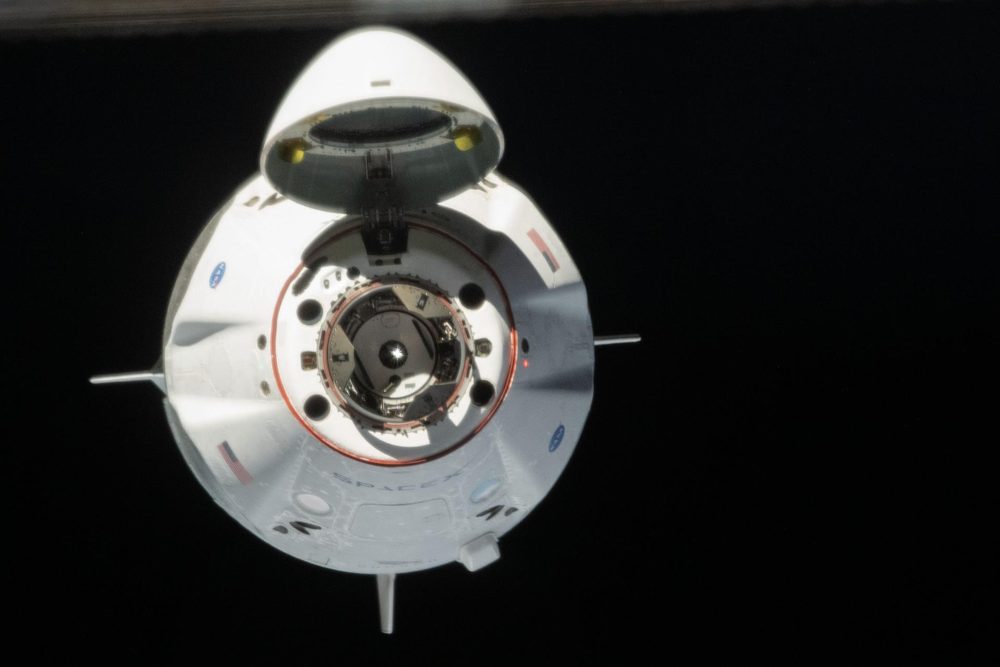
crew on a commercial dockCrew Dragon Demo-2success
The same docking with two astronauts aboard, and a manual mode demonstrated on the way in. Autonomous by default with a human fallback, which is the Soviet 1967 answer arrived at from the opposite direction.
Autonomous by default with a human fallback is the answer the Soviet programme reached in 1967, arrived at from the opposite direction fifty years later.
Feb 2020
the uncooperative era beginsMEV-1 and Intelsat 901success
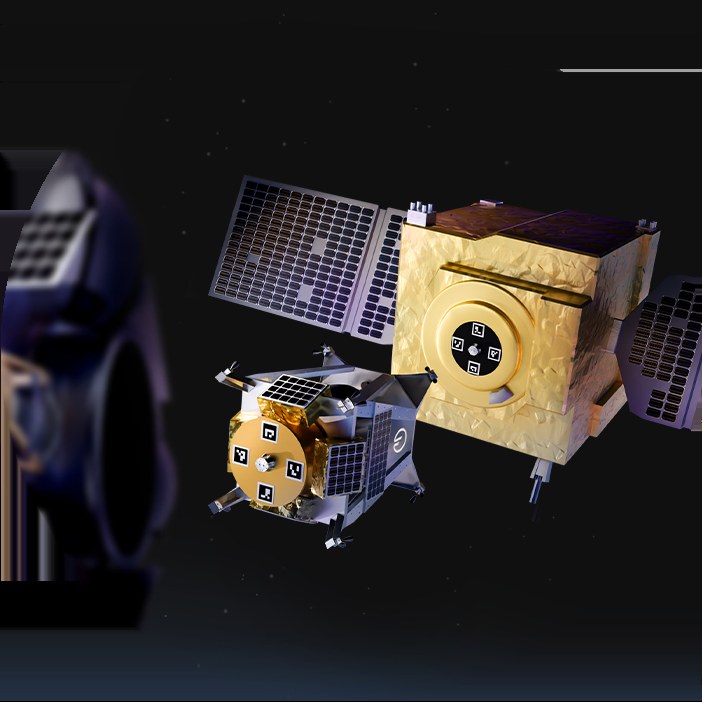
A servicing vehicle docked with a commercial satellite in graveyard orbit that had no docking port, no markers, no transponder and no way to assist. MEV-1 used the launch adapter ring and the apogee engine nozzle as capture features, took over station-keeping, and returned it to service for five years.
The population of satellites worth approaching is overwhelmingly things designed with no thought of ever being approached, drifting, in bad light, on a long ground loop.
Apr 2021
docking to a satellite still workingMEV-2success
The second vehicle docked with Intelsat 10-02 while it remained in service, without interrupting it. Servicing moved from rescuing dead satellites to extending live ones.
Docking to an operating satellite meant the approach had to protect a revenue stream as well as two vehicles: the client held station and kept its antennas radiating throughout, with no reported interruption to service.
May 2022
a second crew provider docksStarliner OFT-2success
The uncrewed flight test repeated, successfully docking to the ISS after the first attempt failed to reach it.
A reflight is the honest unit of proof for a docking system: the failure analysis is only validated by flying the full profile again, and the programme absorbed the cost of doing exactly that.
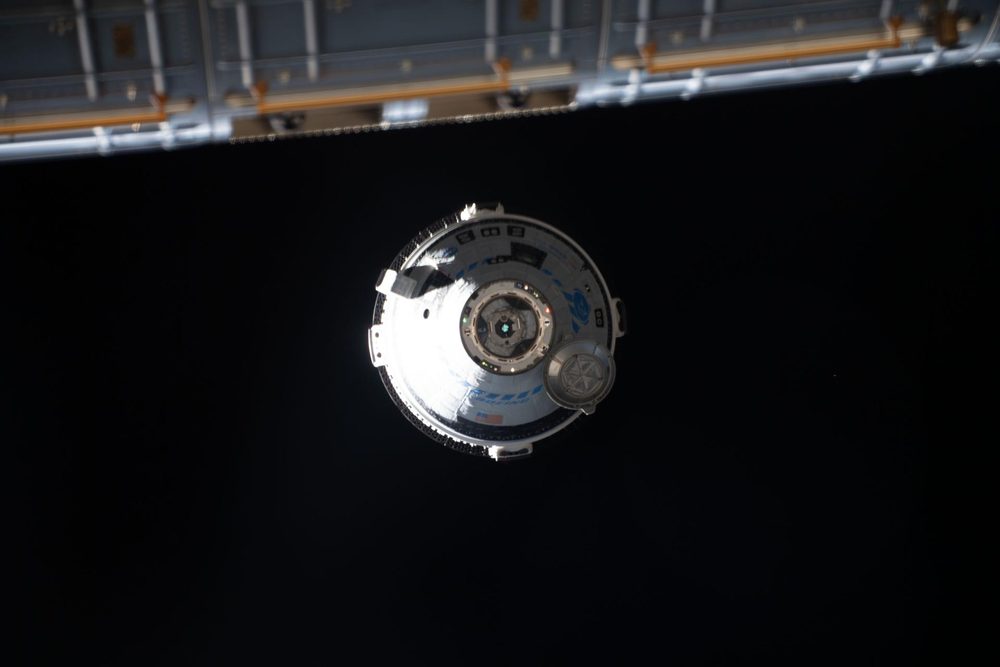
2021
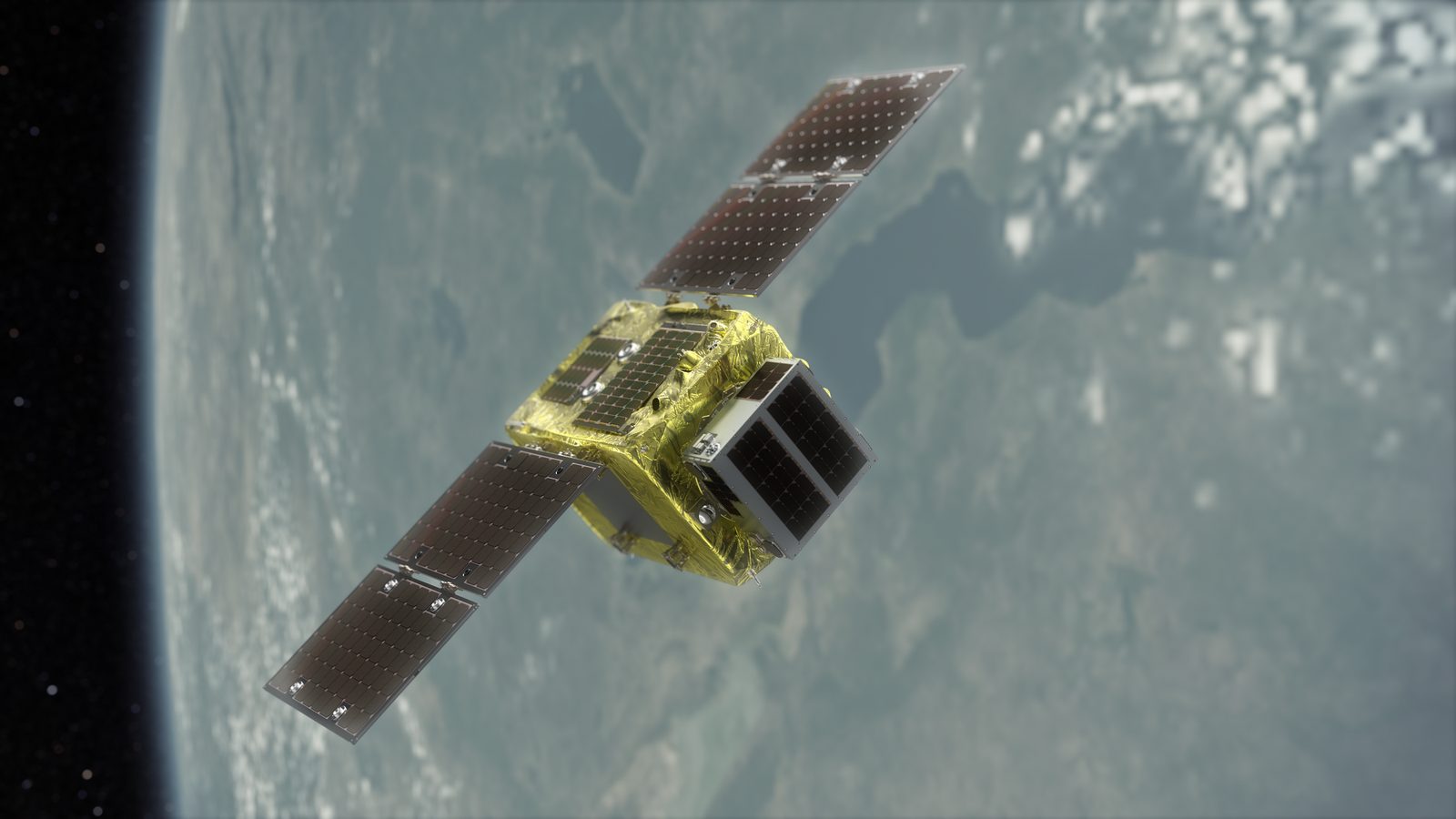
capture by magnetELSA-dpartial
A demonstration of repeated capture and release of a client fitted with a ferromagnetic plate, including a capture of a deliberately tumbling target. Built for the debris removal case, where the target has to be caught rather than docked with.
Magnetic capture presumes a plate fitted before launch, which reframes debris removal as a requirement on satellites not yet flown. Thruster failures in flight forced the later captures to be descoped, which is what the partial mark records.
2021 onward
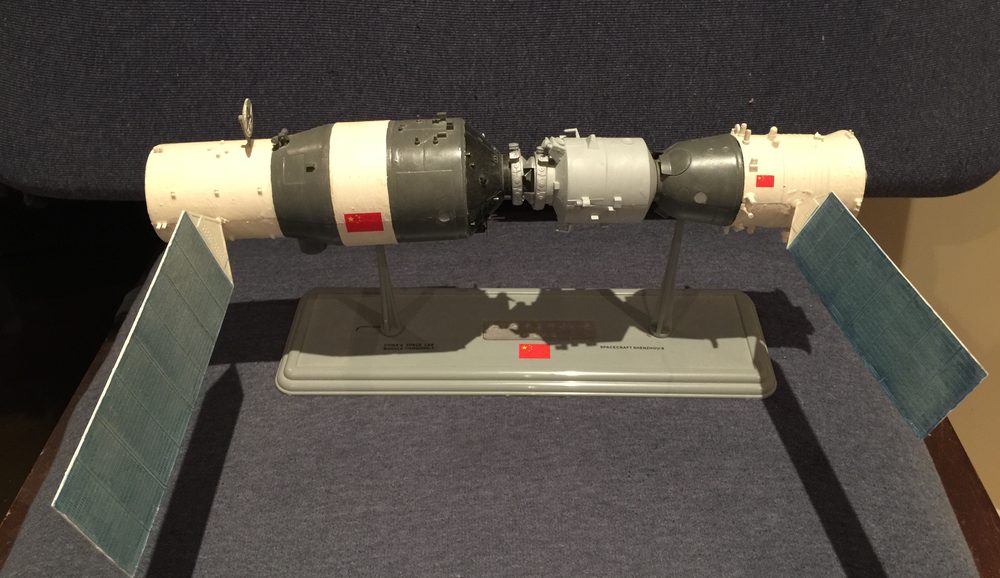
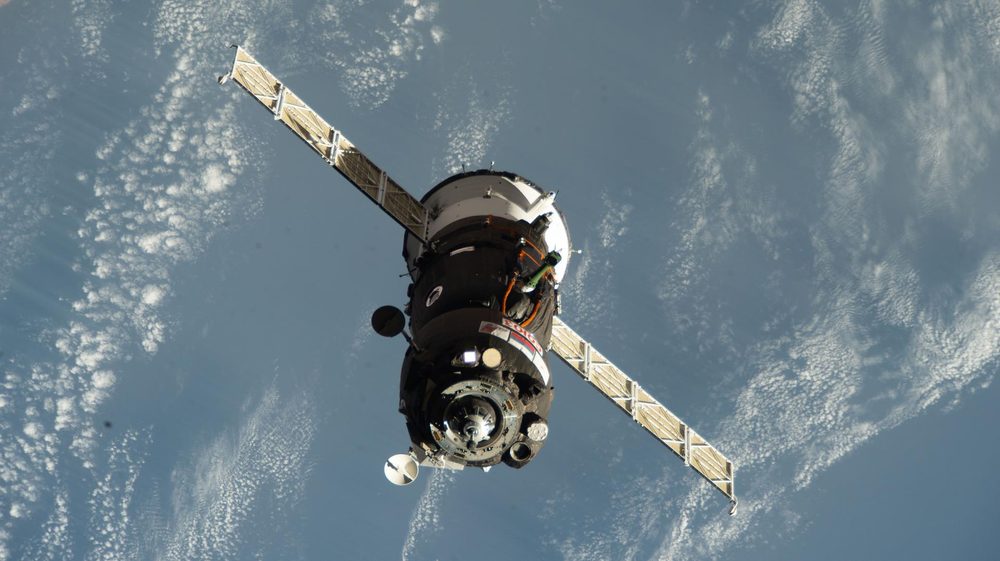
a second station, routinelyShenzhou and Tianzhou at Tiangongsuccess
China now flies crewed and cargo docking to its own station routinely, with fast automated rendezvous profiles reaching the station in a few hours. A third independent line of development, arrived at separately.
Docking within hours of launch is a navigation statement: insertion accuracy and the onboard state estimate are good enough to delete the phasing orbits that once took two days.
T minus 00:00:50 ANNOUNCED
What is coming: servicing, refuelling, removal
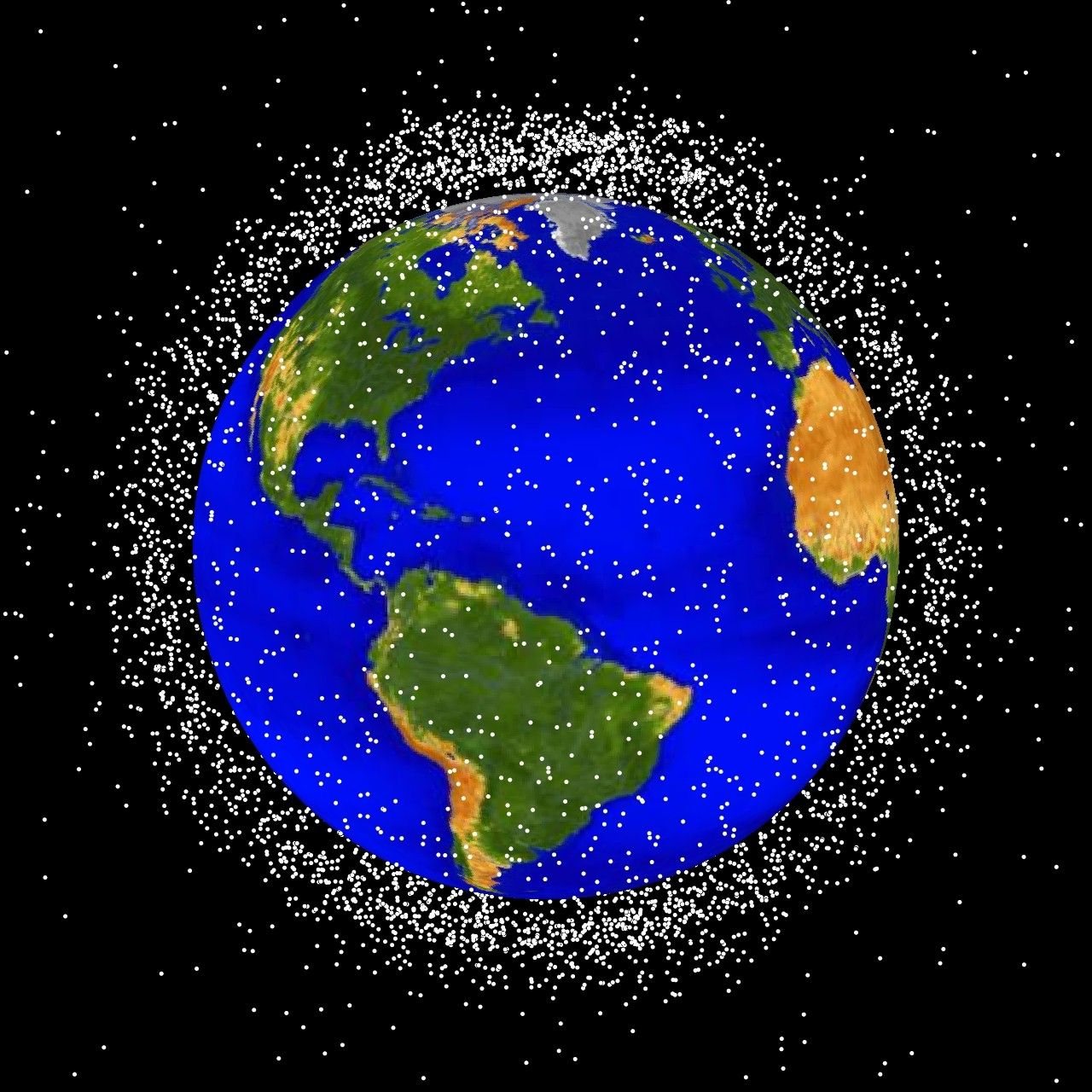
The entries below are announced or in flight but not yet concluded, so they carry no outcome mark. One pair has already flown, docked and separated; it stays here because its outcome has never been officially published. What the rest share is the shape of the market that MEV-1 opened: docking as a service, sold by the operation rather than flown by a state.
2024 onward
approaching real debrisADRAS-J and ADRAS-J2
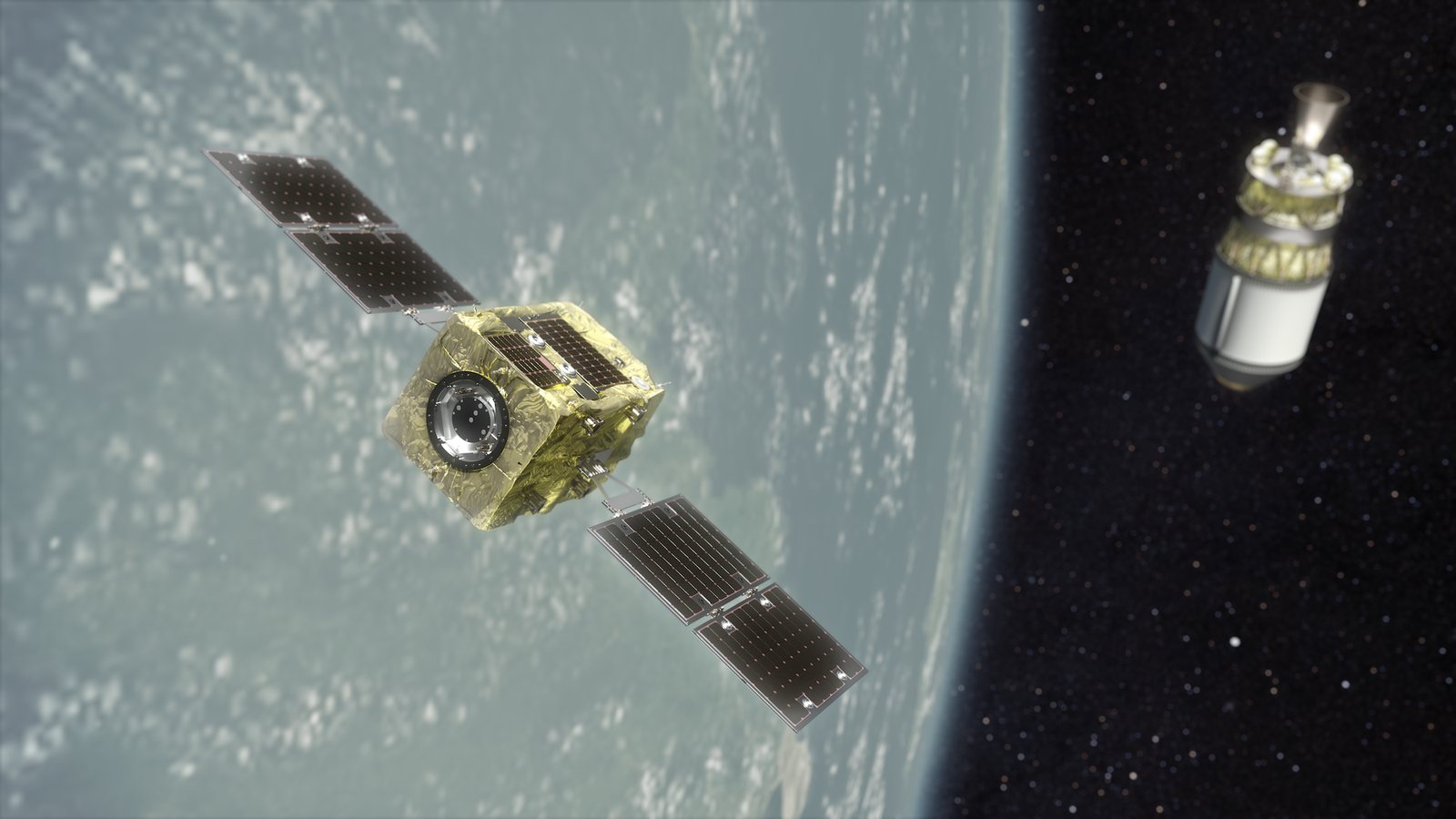
Astroscale’s inspector closed to fifteen metres of a derelict Japanese upper stage in November 2024, the first commercial close approach to a genuine piece of large debris, uncontrolled and uncooperative. The follow-on ADRAS-J2, contracted by JAXA in 2024, is to capture the same stage with a robotic arm and deorbit it.
The stage carries no markers and no transponder, and its spin state had to be estimated from ground observation before launch. Matching an approach to motion that is only confirmed on arrival is the step that separates inspection from capture.
2024, cancelled
the cautionary entryOSAM-1
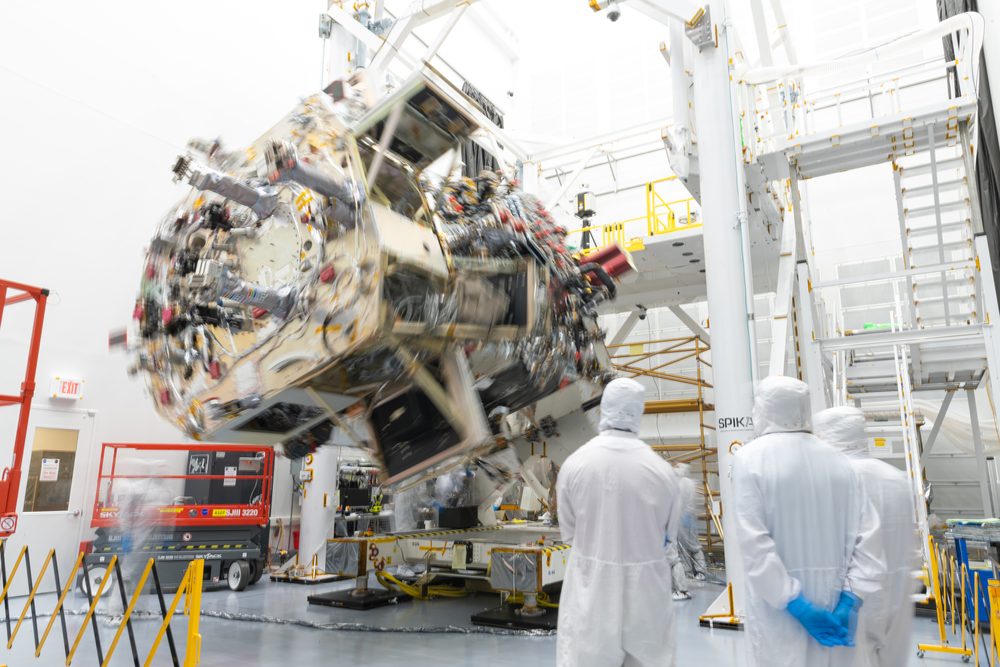
NASA’s mission to robotically refuel Landsat 7, a satellite never designed for it, was cancelled in 2024 after years of cost growth. The lesson cuts the other way from the successes: servicing an unprepared client is hard enough to sink a flagship project.
The fill valve on Landsat 7 was sealed for flight with no intention of being opened again, so refuelling meant cutting insulation and safety wire by teleoperated arm. Proving that surgery safe is where the cost grew.
2025 to 2026
the unannounced attemptShijian-25 and Shijian-21
China’s refuelling test flew before any Western equivalent. Shijian-25 launched in January 2025, spent months matching orbits with the 2021-vintage Shijian-21, and the pair appeared merged in commercial tracking data from early July 2025 until they separated in January 2026. Whether propellant actually moved between them has never been announced, and the entry sits here because no official outcome exists to mark.
The strongest public evidence is orbital mechanics rather than imagery: while mated, the pair flew plane-change burns that are among the most propellant-expensive manoeuvres in the geostationary belt, spending fuel a 2021 satellite should no longer have had.
Jul 2026, in flight
servicing unbundledMission Robotic Vehicle and Mission Extension Pods
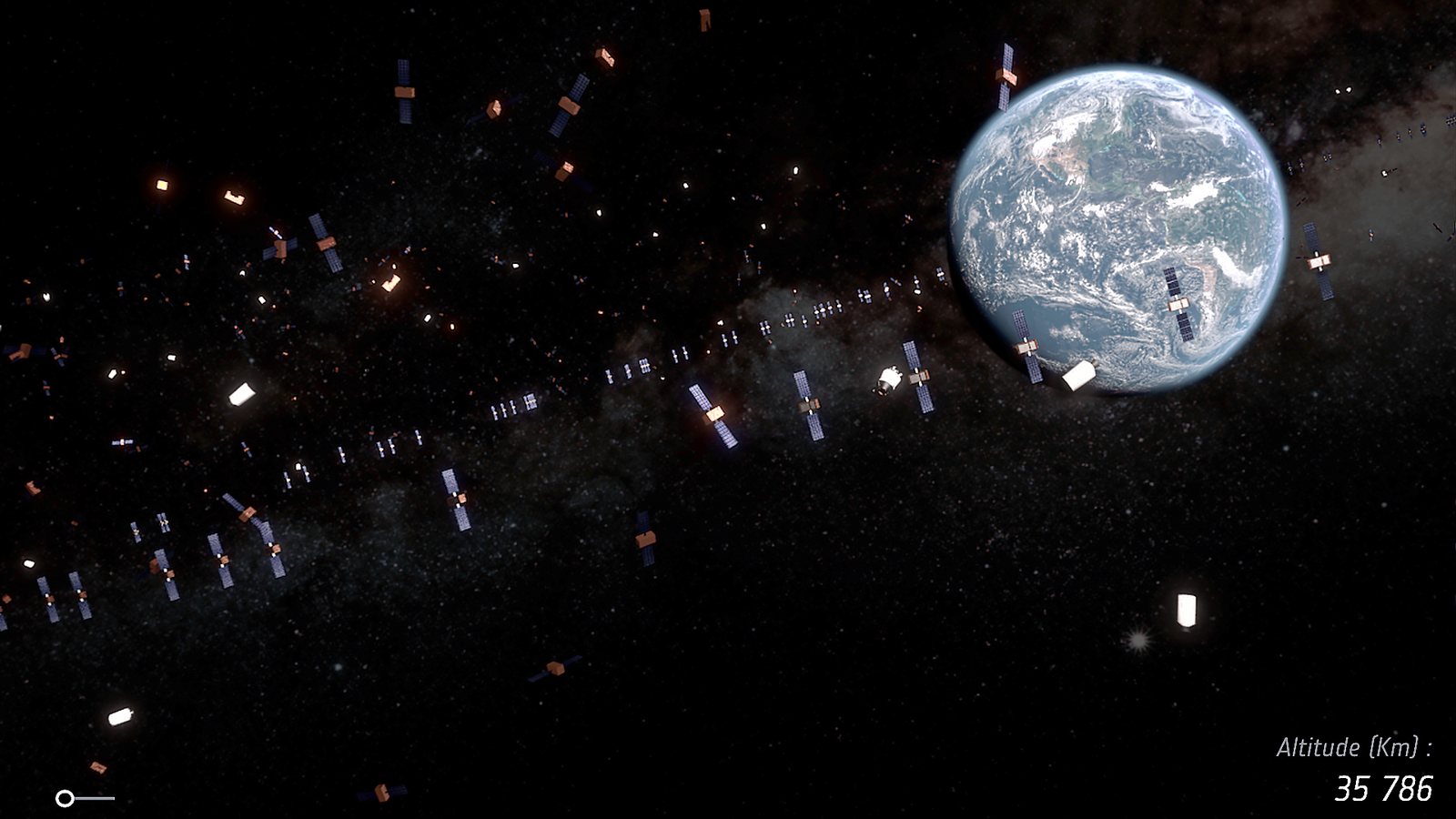
The successor to MEV changes the economics and is now flying: rather than one large vehicle staying docked for years, the robotic servicer launched on 21 July 2026 carrying three small propulsion pods to install on client satellites before moving on. One vehicle, many clients, a year-long electric spiral out to the belt, and a robotic arm doing the attachment. Optus and SES bought the first pods.
Installing a pod separates the docking problem from the propulsion problem: the client meets the robotic arm once, then spends years thrusting through a structure it did not launch with. The arms descend from DARPA’s RSGS programme and were built out at the Naval Research Laboratory.
2026
the first closed fuel loopAstroscale APS-R
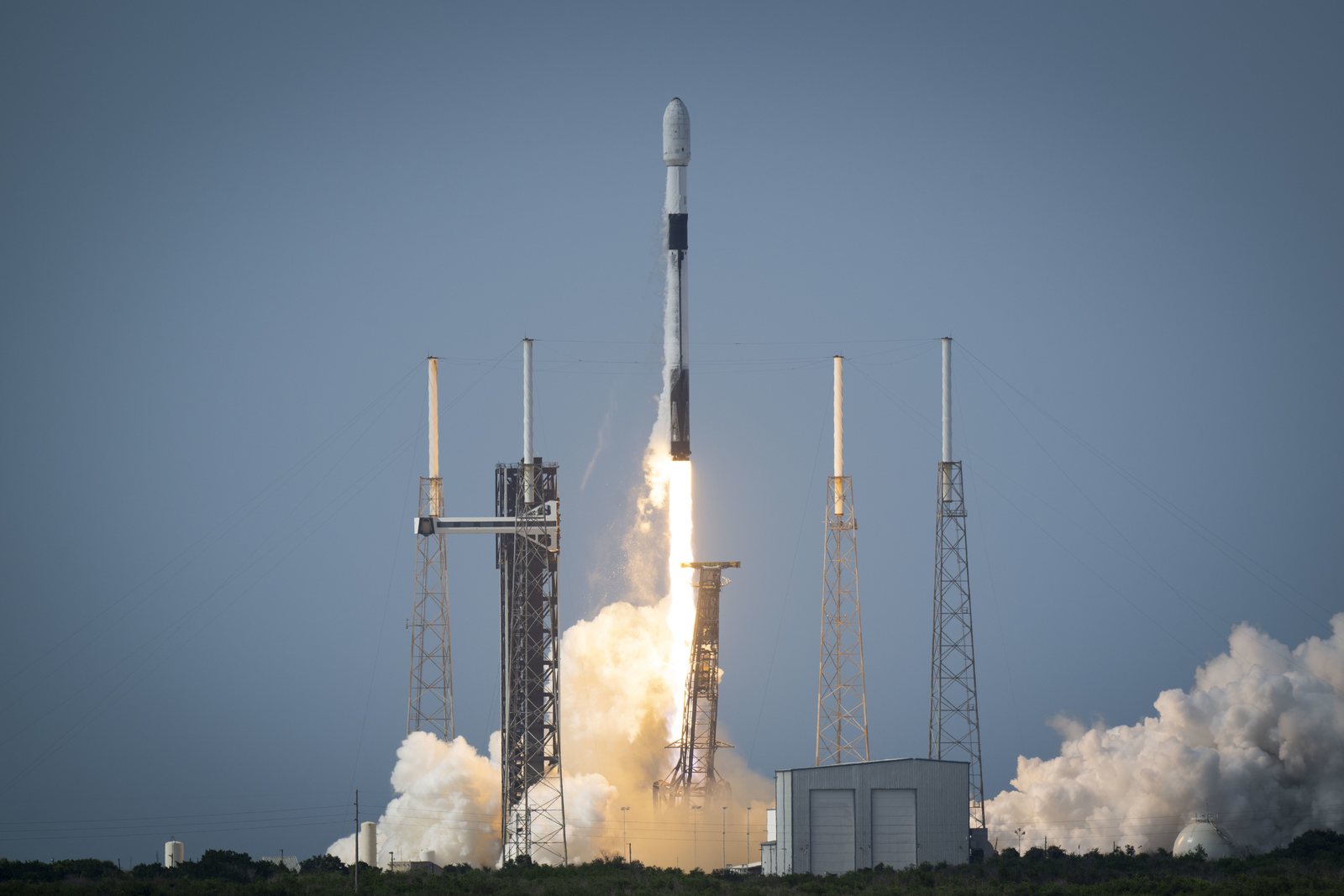
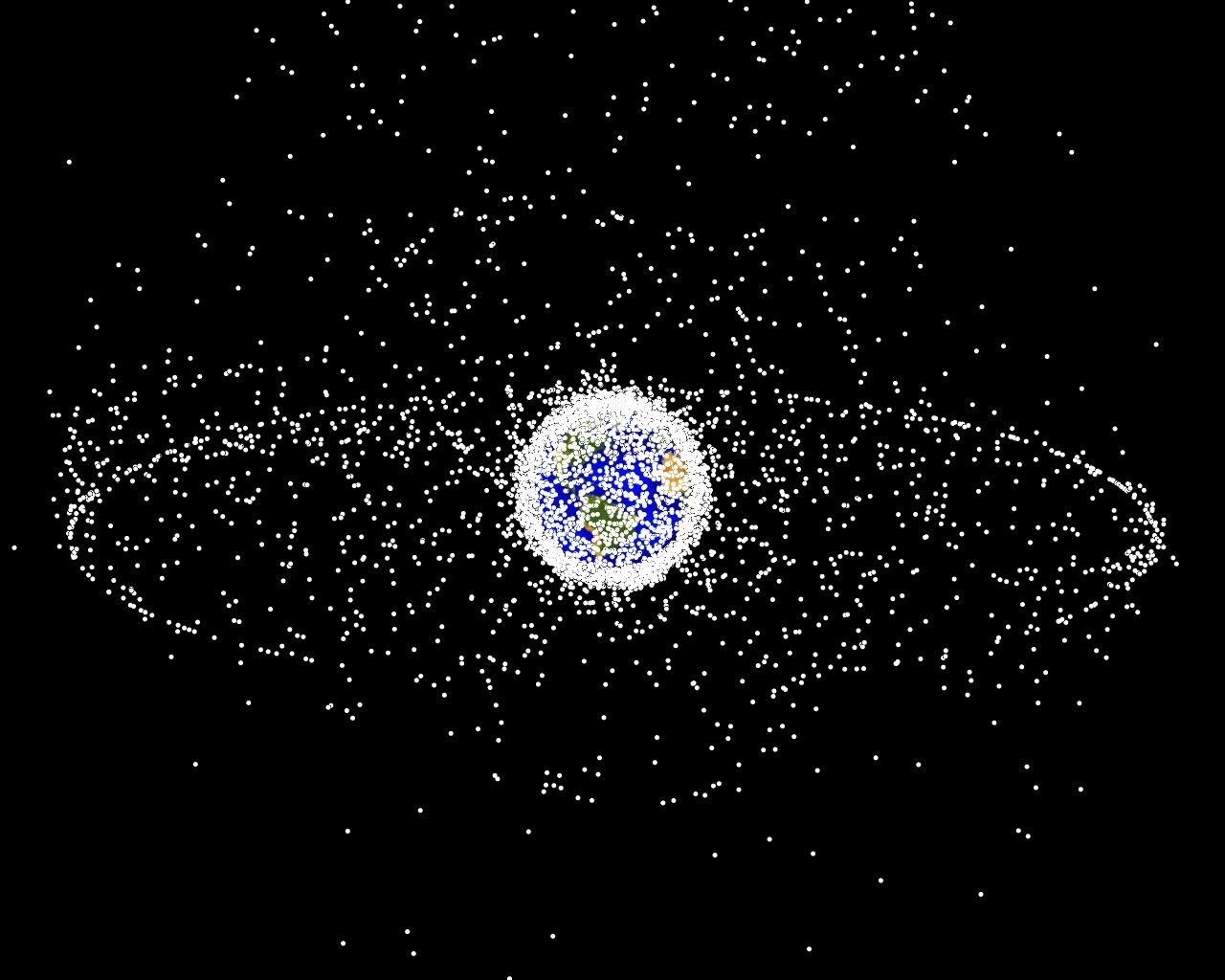
A 300 kg refueller for the US Space Force, built to carry hydrazine above the geostationary belt, dock with a Tetra-5 spacecraft through a standard port, transfer fuel, then top itself up at a depot flying on the same launch before serving a second client. The first attempt at a supply chain rather than a delivery.
After undocking, APS-R backs away and inspects its client with a hyperspectral imager to check for leaks, because escaping hydrazine is effectively invisible to an ordinary camera.
2026 onward
docking without any fixtureStarfish Space Otter
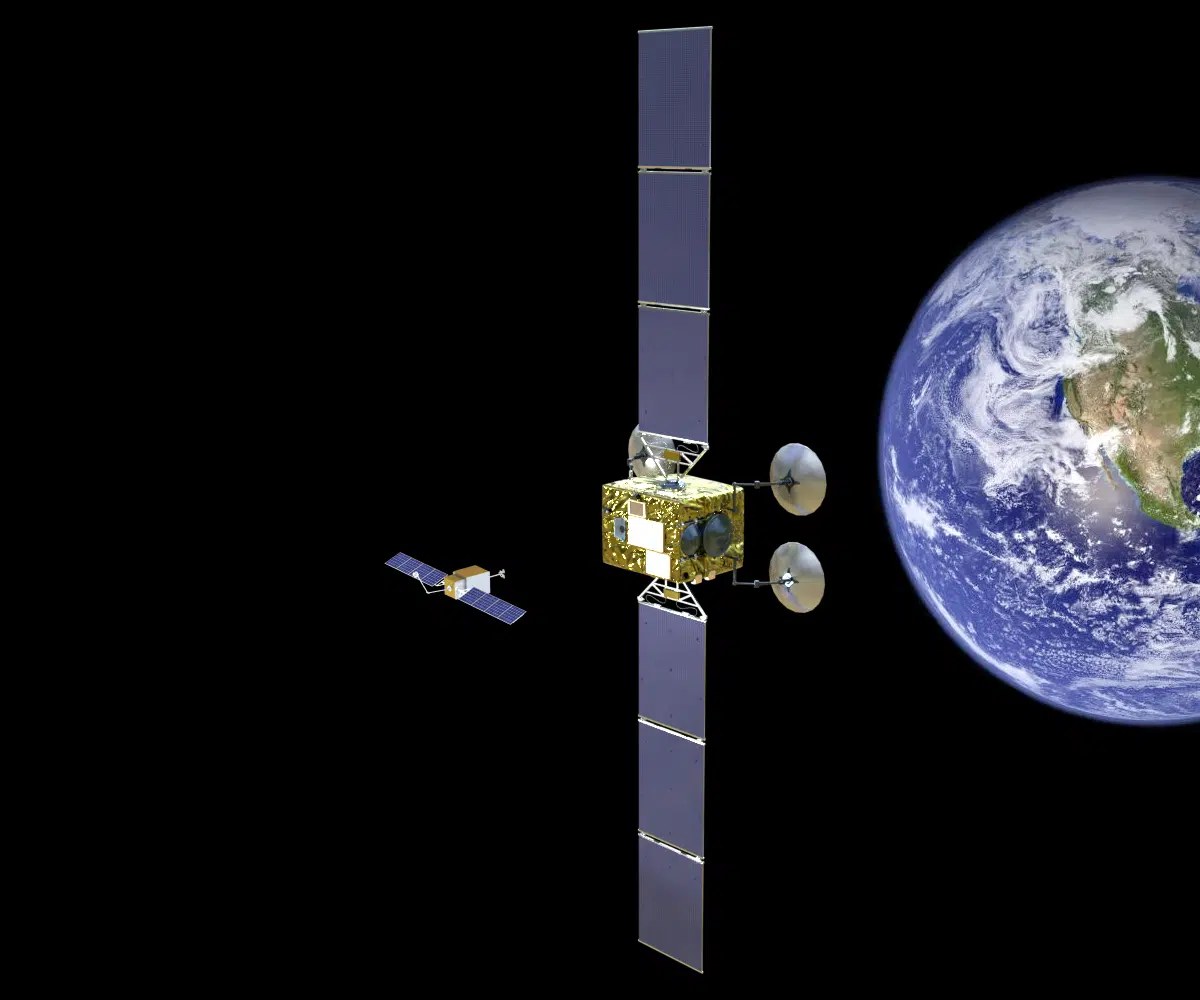
A small servicer that docks by electrostatic adhesion against any flat panel, so the target needs no plate, ring or port. The Otter Pup demonstrators have had a hard road: the first lost its tug in 2023, the second launched in June 2025 and then lost its docking partner, and a fresh attempt against an Australian smallsat is under way. Full-size Otters are contracted for Intelsat life extension, NASA debris inspection and Space Force disposal work.
Adhesion pads move the requirement from the target to the servicer: any flat surface will do, which is why Otter Pup could swap docking partners in flight when its first arrangement fell through.
2027 or later
multi-client debris removalELSA-M
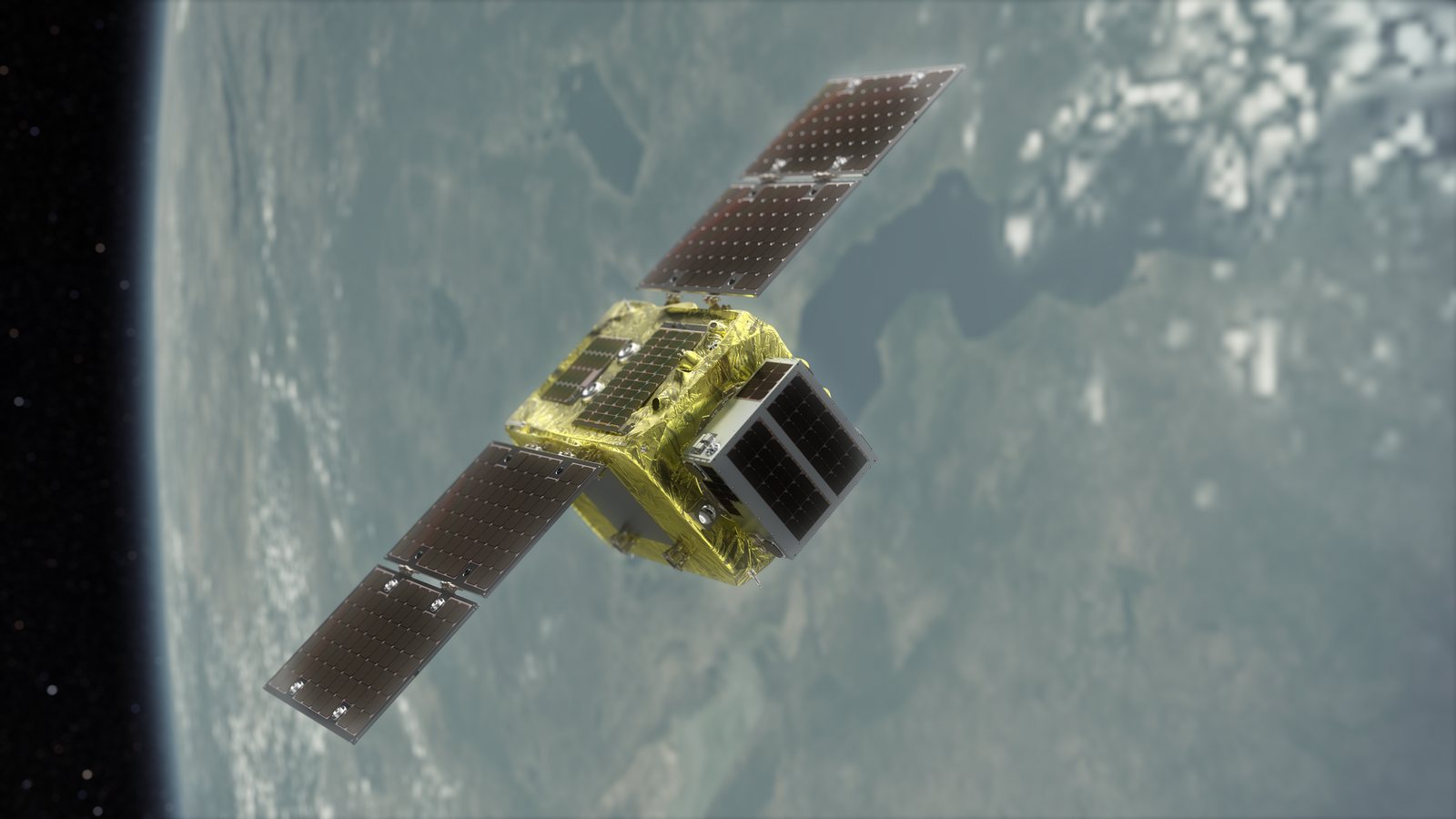
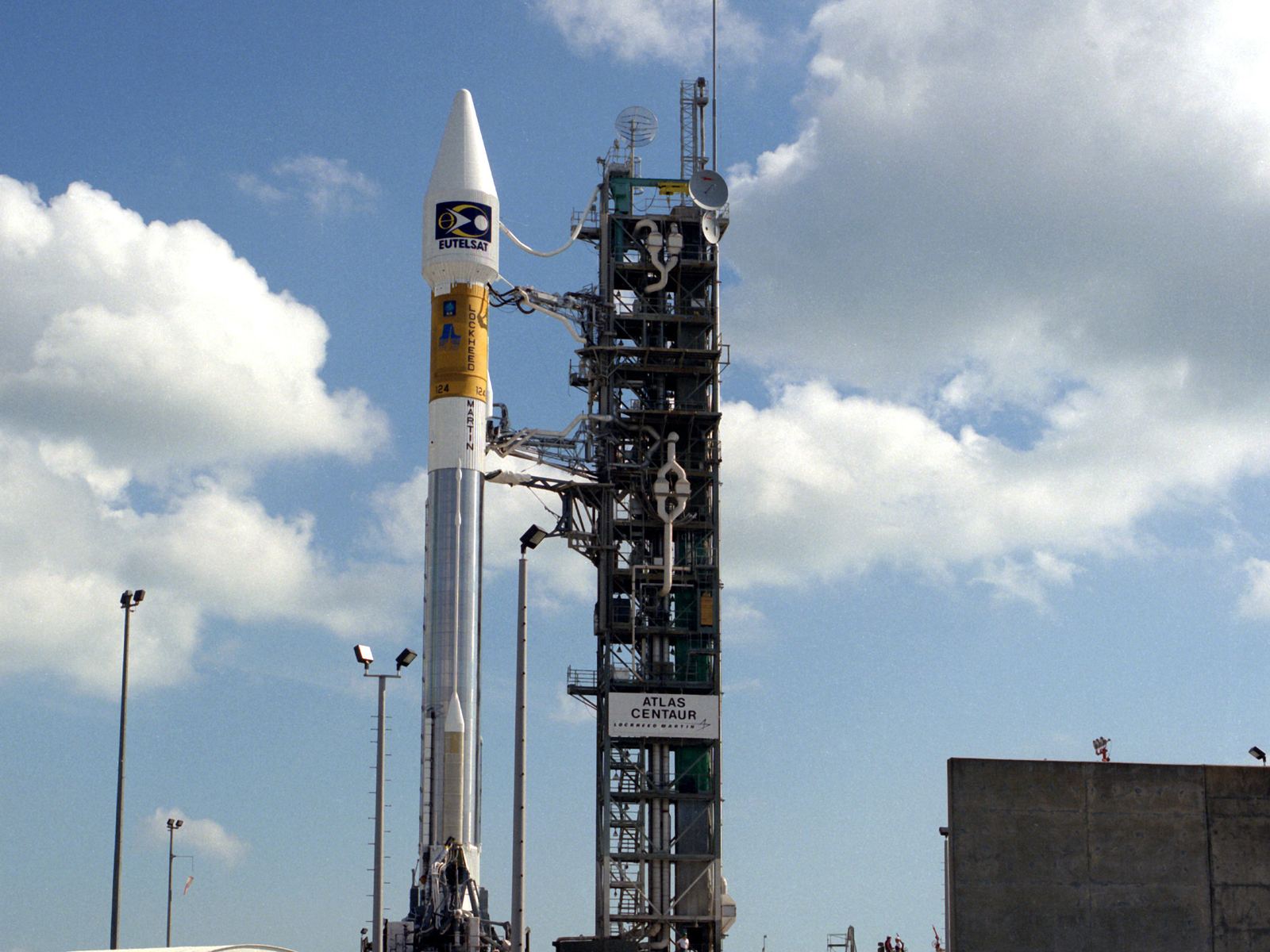
The production version of the ELSA-d magnetic capture demonstration: one servicer removing several prepared satellites per mission, aimed at constellation operators whose spacecraft carry a docking plate from the factory. The design review closed in 2025, the launch is booked on Isar Aerospace’s Spectrum, and the first capture target is an end-of-life Eutelsat OneWeb satellite.
Serving several clients per flight changes the propellant arithmetic: every deorbit spends delta-v that must be climbed back before the next capture, so the economics turn on how cheaply the servicer returns to altitude.
Late 2027
life extension at 750 kgInfinite Orbits Endurance
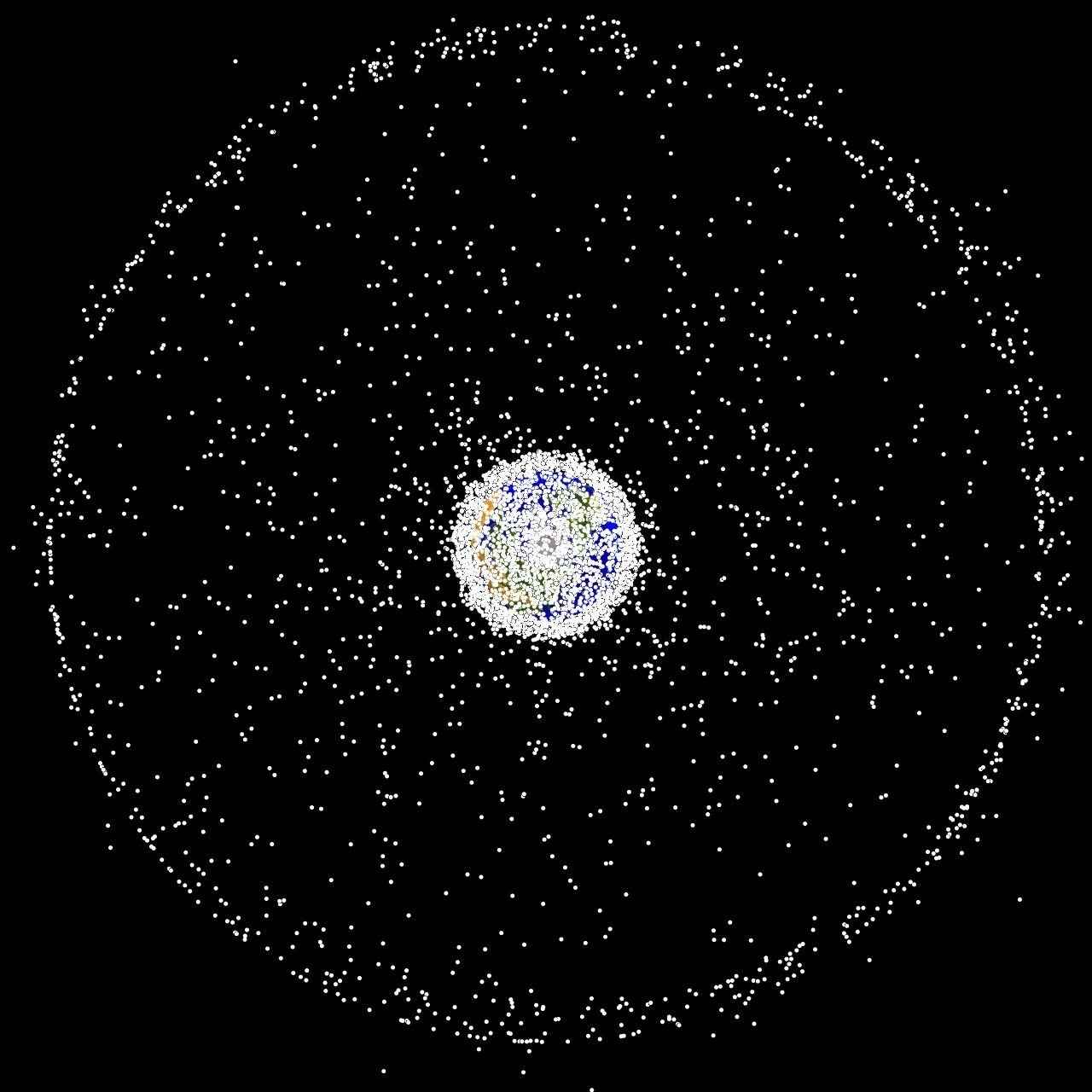
A Toulouse-built docking vehicle a fraction of the mass of the MEV class, contracted to dock with an SES geostationary satellite and take over its station-keeping after an in-orbit demonstration, in what the two companies call Europe’s first commercial life-extension mission. CNES has engaged the same team for two further servicing flights.
Endurance keeps its sensor bill down by navigating on processed camera imagery rather than a lidar suite, betting that vision alone can close a docking corridor its multi-tonne rivals fly on radar and lidar.
2028
Europe buys a servicerD-Orbit RISE
ESA’s first in-orbit servicing procurement, signed in October 2024 at 119 million euro: a three-tonne D-Orbit vehicle that will dock with a commercial geostationary satellite by gripping its launch adapter ring, hold and steer the stack, undock, and then sell life extension commercially, with Eutelsat as the collaborating operator.
Like the MEVs, RISE leans on the one mechanical feature nearly every geostationary satellite shares, the ring that bolted it to its launcher, so most of the existing fleet is reachable without any client modification.
2029
capturing with armsClearSpace-1
ESA’s commissioned debris removal flight, now led by OHB with ClearSpace building the capture system: four robotic arms that enclose the target rather than docking with any feature. The target changed in 2024, after the original one was itself struck by debris, to the veteran Proba-1 satellite. Embracing an object that offers nothing to grab is the hardest version of the capture problem.
Enclosure trades precision for tolerance: arms that close around the whole envelope do not need an exact pose solution at the moment of contact, which is what a feature grab demands and a tumbling target denies.
Announced
a national clean-upAstroscale COSMIC
The candidate for Britain’s national debris removal mission: an evolution of ELSA-M that swaps the magnet for a robotic arm, sized to capture and deorbit two defunct UK-licensed satellites. COSMIC and a rival ClearSpace proposal have both cleared design reviews, and the UK Space Agency’s award of the roughly 75 million pound mission contract is still pending.
The targets were never fitted with plates, so COSMIC pairs its arm with active detumbling, matching the target’s rotation before contact, which is the ground-tested step that separates it from its prepared-client parent.
Announced
a standard fuel portOrbit Fab and refuelling interfaces
Fuel depots and tankers built around a standardised refuelling port that satellites fit on the ground. The port is flight-qualified and accepted by the US Space Force, and the first geostationary depot is manifested to fly alongside the APS-R refuelling run. The bet is the opposite of MEV’s: rather than docking with anything, make the next generation dockable by design. Refuelling turns delta-v from a fixed budget into a consumable.
A standard port moves qualification from the operation to the factory: every docking after the first is against a known, tested interface rather than a survey of whatever the target happens to offer.
In flight
cryogenic transfer at scaleStarship orbital propellant transfer
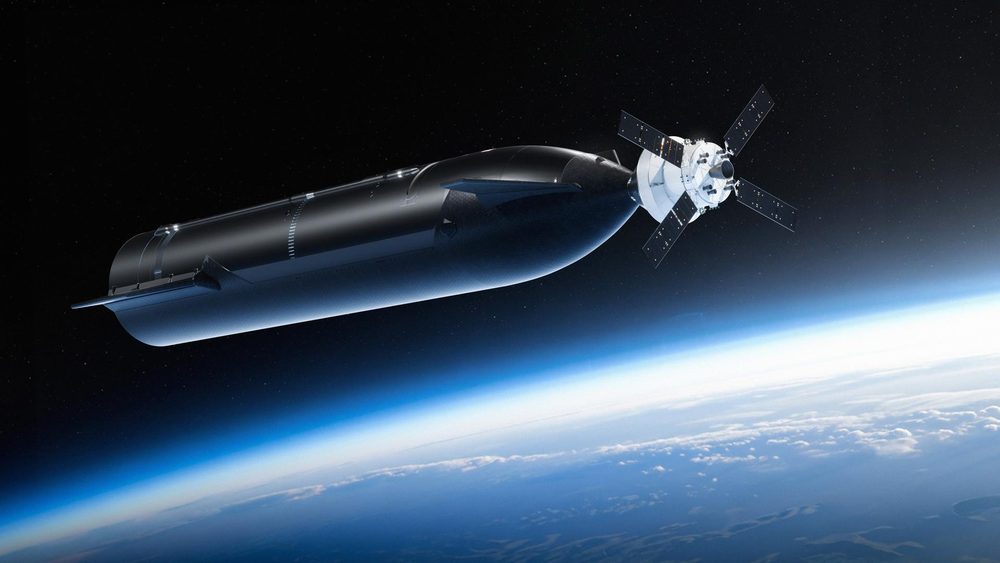
Lunar landings under Artemis depend on transferring hundreds of tonnes of cryogenic propellant between Starships in orbit, which requires docking between two vehicles larger than anything ever joined in space. The rendezvous is the enabling step for the whole architecture.
Cryogenic transfer adds fluid dynamics to contact dynamics: settling, boil-off and slosh in tanks whose mass distribution shifts as they drain, all managed while the two vehicles remain joined.
Late 2020s
assembly around the MoonGateway
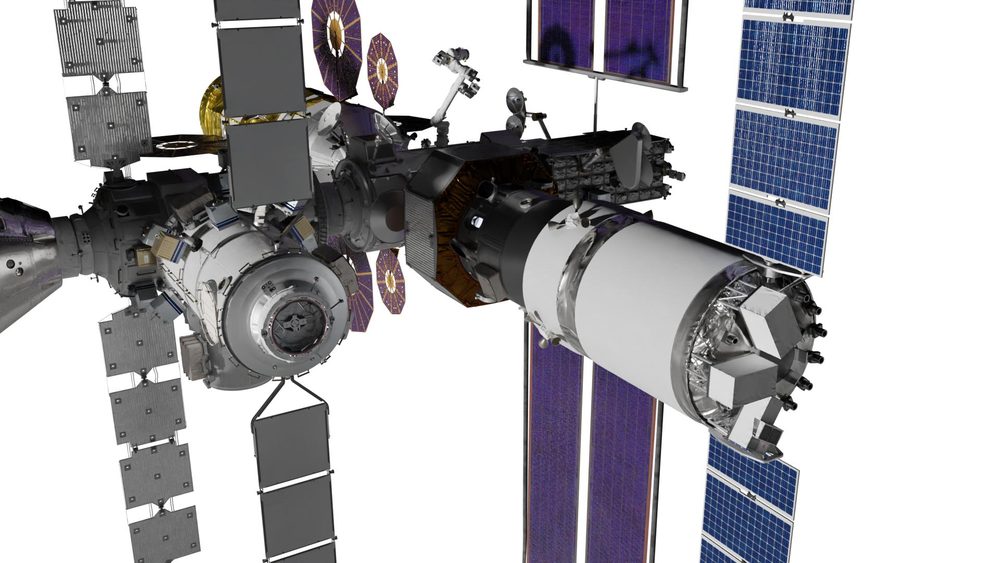
The lunar station repeats the ISS assembly story at a distance where abort to Earth takes days: modules and vehicles docking autonomously in an orbit no crew can quickly reach. Every capability in this chronology, exercised far from help.
The near-rectilinear halo orbit adds its own constraint: relative motion there obeys three-body dynamics, so approach corridors and passive abort trajectories look nothing like their low Earth orbit ancestors.
T minus 00:00:40 WHAT IT ADDS UP TO
What has each era removed, and what is still open?
Removed, one era at a time
- The crew, from Kosmos 186 in 1967
- The pilot on the vehicle, with Progress and later ATV
- The ground loop, with ETS-VII and ATV
- The cooperative target, with Gemini 10 by hand and MEV-1 autonomously
- The docking port, using launch adapter rings
- Daylight, with lidar and thermal sensing
Still open
- A target that tumbles rather than holding attitude
- A target that manoeuvres, deliberately or not
- Pose estimation from a single camera at close range
- Plume impingement on a structure you are about to touch
- Proving an approach is safe before it is flown, rather than observing that it was
Sixty years in, the vehicles have changed completely and the hard part has not moved. It is still the last hundred metres, and it is still about whether the constraints hold when the world does not match the model.
That last item is what we work on. Our capabilities are here.
T minus 00:00:20 SOURCES
Where this comes from
Fehse, Wigbert. Automated Rendezvous and Docking of Spacecraft. Cambridge: Cambridge University Press, 2003.
Goodman, John L. “History of Space Shuttle Rendezvous and Proximity Operations.” Journal of Spacecraft and Rockets 43, no. 5 (2006): 944–959.
JAXA , Engineering Test Satellite VII, KIKU-7 (ETS-VII)
ESA , Automated Transfer Vehicle
NASA , 40 Years Ago: STS-41C, the Solar Max Repair Mission
International Docking System Standard (IDSS), Interface Definition Document
Northrop Grumman SpaceLogistics, Mission Extension Vehicle, on the MEV-1 docking with Intelsat 901 in February 2020.
How the outcomes are marked
- success
- The mission achieved its primary objective. The spacecraft arrived, the instruments worked, and the data or the crew came home. Judged against the mission’s own stated objective, not against later ambitions: Voyager 2 at Neptune, Chang’e 5 returning its sample, Apollo 11 despite landing long of its target.
- partial
- The mission reached its target and returned something real, but not everything it was built for: an instrument that failed after arrival, a lander that tipped, an antenna that never opened. Galileo delivered eight years of science through a jammed antenna. SLIM landed on its nose with its precision objective met. Philae bounced twice and still worked from shadow.
- failed
- The mission did not achieve its primary objective: it never arrived, it crashed, or it arrived unable to work. DART colliding with the satellite it came to inspect, Luna 25 into the surface, IM-2 on its side in shadow with no power and none of its science.
What is counted: every rendezvous, docking or capture operation listed, judged on whether the operation itself achieved its objective. Announced and in-flight missions in the final section carry no mark, because a mission that has not flown has no outcome. Gemini 8 is partial: the docking succeeded and the mission was then aborted. Gemini 9A is partial: the rendezvous worked perfectly and the target could not be docked with.